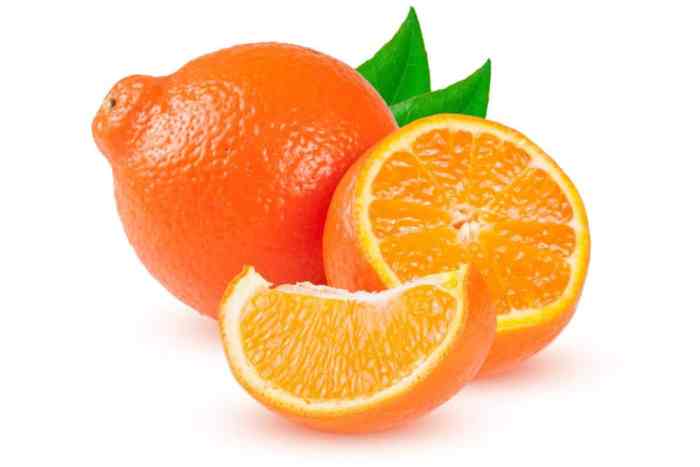
Mandarin (Miho Wase Satsuma)

(1 customer review)

$34.99

Miho Wase is a prized early-ripening satsuma mandarin known for seedless fruit, tender texture, and excellent cold tolerance when mature.

  • Early-ripening satsuma mandarin with dependable sweetness.
  • Seedless fruit with easy-peel skin.
  • Selected for strong cold hardiness.
  • Compact, container-friendly growth habit.
  • Self-fertile.
Add to Wishlist
Add to Wishlist
SKU: Mandarin (Miho Wase Satsuma) Categories: , , Tag:

Description

Miho Wase is an early-ripening satsuma mandarin valued for its clean flavor, tender flesh, and reliable performance in cooler citrus-growing regions. It is closely related to Okitsu Wase and has earned a strong reputation for combining fruit quality with resilience.

The fruit ripens early in the satsuma season, producing smooth, easy-to-peel mandarins with a soft, juicy texture and balanced sweetness. In practice, Miho Wase is widely regarded as seedless and is especially well suited to fresh eating.

Beyond fruit quality, Miho Wase stands out for cold tolerance. Mature, dormant trees have been reported to withstand temperatures as low as 10°F for short periods, making it one of the more cold-capable satsumas available to home growers.

Overview

  • Early-ripening satsuma mandarin with excellent eating quality.
  • Seedless fruit with tender, easy-to-eat flesh.
  • Strong cold tolerance once mature.
  • Compact growth habit well suited to containers.
  • Self-fertile.

Growing Details

Latin Name: Citrus unshiu ‘Miho Wase’
Site and Soil: Full sun; well-drained soil
Rootstock: 1-gallon trees on Flying Dragon; larger sizes on C-35
Hardiness: Among the more cold-tolerant satsumas; mature, fully dormant trees have been reported to tolerate temperatures down to approximately 10°F for short periods
Bearing Age: 2–4 years
Size at Maturity:
• Flying Dragon: Typically 6–8 ft tall and wide
• C-35: Typically 10–12 ft tall and wide
Note: Trees grown in containers remain smaller and are easily maintained with pruning.
Bloom Time: Spring
Ripening Time: Early season for satsumas; typically fall
Pollination Requirements: Self-fertile
Pests & Diseases: Similar to other citrus; good airflow and excellent drainage reduce issues

Additional Notes

  • Grower‚Äôs Insight: Miho Wase is closely related to Okitsu Wase and is valued for delivering early satsuma harvests without sacrificing sweetness or texture.
  • Regional Insight: Performs especially well in mild-winter regions and as a container citrus in cooler climates where early ripening helps fruit mature before winter conditions.

Planting & Care

At a Glance – Miho Wase Satsuma Mandarin

  • Sun: 3/4 day to full day of sun
  • Soil: Well-drained soil is essential
  • Water: Moderate; consistent during establishment
  • Tree Size: Compact (size varies with management)
  • Pollination: Self-fertile
  • Harvest: Early satsuma season (fall)
  • Hardiness: Mature trees tolerate temperatures to ~10°F (short periods)

Planting & Care – Miho Wase Satsuma Mandarin

Site Selection

  • Choose the sunniest available location to support early ripening and strong cold hardening.
  • Good air movement helps reduce disease pressure and improves winter performance.
  • Avoid low areas where cold air and excess moisture collect.

Soil Preparation

  • Drainage is the most critical factor—satsumas do not tolerate wet feet.
  • If soil remains wet after rain, plant on a mound, raised bed, or grow in a container.
  • Lightly amend very poor soils with compost, but avoid heavy fertilization at planting.

Planting Instructions

  1. Dig a hole roughly twice the width of the root ball.
  2. Plant so the root flare sits at or slightly above finished soil level.
  3. Backfill with native soil and water thoroughly to settle.
  4. Mulch 2–3″ deep, keeping mulch several inches away from the trunk.

Watering

  • During the first 1–2 years, keep soil consistently moist but never saturated.
  • Deep water, then allow the surface to dry slightly between waterings.
  • Check soil 4–6″ down; if it feels dry at that depth, it’s time to water again.
  • Once established, deep watering every 7–14 days during dry weather is typical.

Fertilizing

  • Citrus are heavy feeders—steady nutrition supports healthy foliage, flowering, and fruit size.
  • Use a citrus fertilizer and follow age-appropriate rates.
  • Split applications during active growth are most effective: late winter/early spring, late spring, and early summer.
  • Container citrus often benefits from lighter, more frequent feedings due to nutrient leaching.
  • Avoid heavy nitrogen late in the season, which can delay hardening and reduce cold tolerance.

Cold Protection

  • Young trees benefit from protection during their first few winters.
  • Mature, fully dormant trees have been reported to tolerate temperatures down to approximately 10°F for short periods.
  • Good drainage, full sun, and proper fertilization timing greatly improve cold performance.

Pruning

  • Minimal pruning is needed—remove dead, damaged, or crossing branches.
  • Light shaping after harvest helps maintain airflow and manageable size.

Harvest & Use

  • Harvest when fruit is fully colored and sweet.
  • Excellent for fresh eating with classic satsuma texture.

General Tips

  • Drainage problems are the most common cause of failure—when in doubt, plant higher.
  • Cold tolerance improves significantly as trees mature.
  • Early ripening helps fruit mature ahead of colder winter weather.