Loquat (Christmas)

$49.99

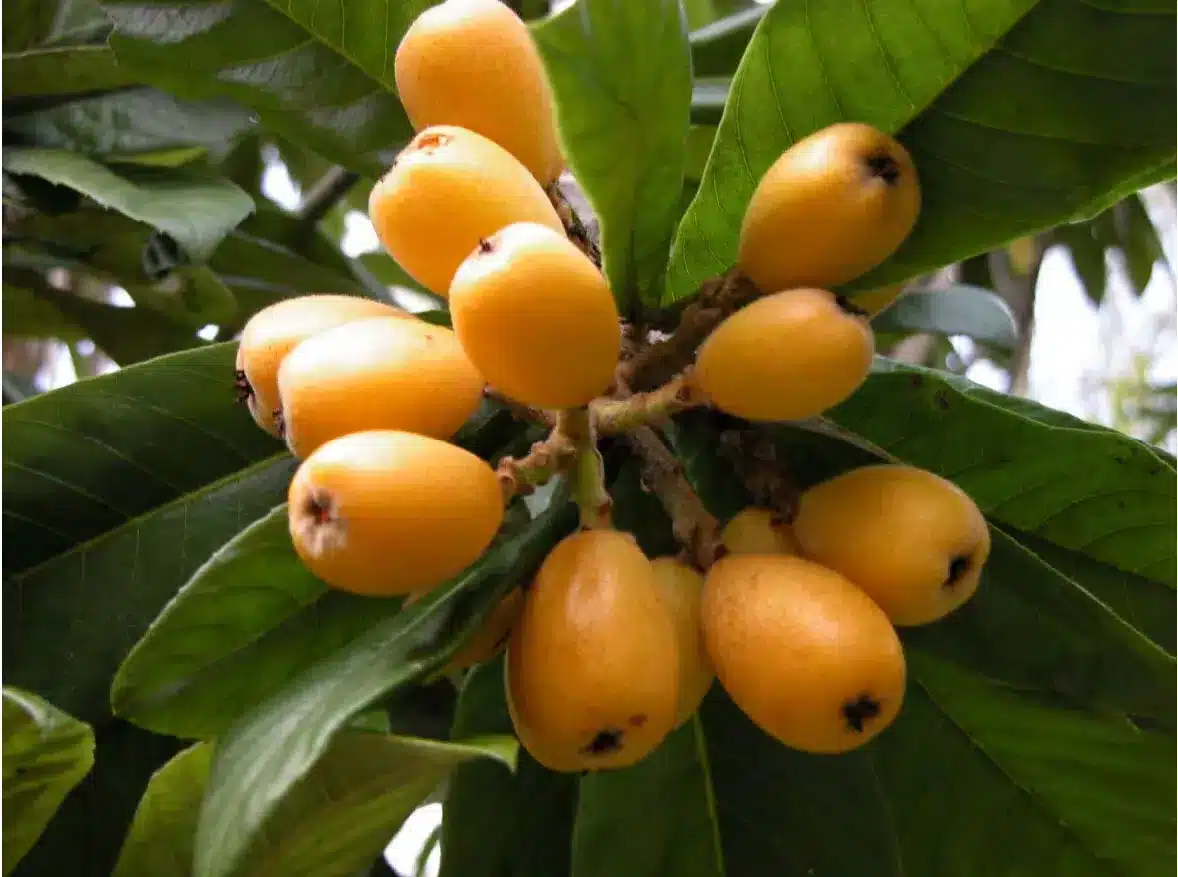
Christmas Loquat is grown for the thrill of beating the usual loquat calendar—sweet, juicy fruit that can arrive unusually early in warm winters.

  • Early-season loquat within the species
  • Sweet, juicy fruit with good fresh-eating quality
  • Ripening can arrive well ahead of most loquats in warm climates
  • Evergreen tree with winter bloom
  • Planting another loquat nearby can improve fruit set
Add to Wishlist
Add to Wishlist
SKU: Loquat (Christmas) Categories: , Tag:

Description

Christmas Loquat is an early-season loquat grown for the simple thrill of beating the usual loquat calendar. In warm winters, it can push harvest noticeably earlier than most loquats, delivering sweet, juicy fruit at a time of year when fresh tree fruit feels unexpected.

The fruit is typically medium to large with a soft, juicy texture when fully ripe. Flavor leans sweet and approachable, especially when fruit is allowed to fully color and soften on the tree. Like many loquats, thinning heavy clusters can improve final fruit size and quality.

Timing is the defining feature of Christmas Loquat, but it’s also the variable. In very warm subtropical microclimates, harvest can arrive extremely early; in mild-winter regions, it often ripens in late winter to early spring; and in cooler coastal or freeze-edge climates, fruiting may slide later or depend on bloom survival through winter weather.

Overview

  • Early-season loquat within the species
  • Sweet, juicy fruit with good fresh-eating quality
  • Ripening can occur unusually early in warm winters
  • Evergreen tree with fragrant winter blooms
  • Often benefits from a second loquat nearby for improved fruit set

Growing Details

Latin Name: Eriobotrya japonica ’Christmas’
Site and Soil: 1/2 day to full day of sun; well-drained soil
Chill Requirement: Not applicable; loquat is a subtropical evergreen
Hardiness: USDA Zone 8–11 (flowers and fruit are more cold-sensitive than the tree)
Rootstock: Loquat seedling (grafted)
Bearing Age: 1–3 years
Size at Maturity: Typically maintained at 8–15 ft tall and wide with pruning
Bloom Time: Fall to winter (timing varies by climate)
Ripening Time: Early-season for loquats; late winter to early spring in many regions, potentially earlier in very warm microclimates
Pollination: Planting another loquat variety within 20–30 feet can improve fruit set and yield
Pests & Diseases: Standard loquat considerations; good airflow and drainage are important
Yield: Variable; strongest where winter bloom survives without freeze damage

Additional Notes

  • Grower’s Insight: Christmas Loquat earns its name by shifting the loquat season forward. In the right conditions, it can feel almost out of season—one of the earliest loquats to ripen.
  • Regional Insight: Best suited to warm, mild-winter regions. In freeze-edge climates, early bloom can be a liability, making microclimate selection and bloom protection especially important.
  • Cold-climate experiment: A peer-reviewed study found that removing (cutting off) the main flower cluster can induce reflowering and shift bloom later—an intriguing tool for growers experimenting with loquats in freeze-prone climates. Read the study.
  • Thin heavy fruit clusters to improve size and reduce limb stress.
  • Explore more loquats in our collection: Loquat Trees

Planting & Care

At a Glance – Christmas Loquat

  • Sun: 1/2 day to full day of sun
  • Soil: Well-drained soil; avoid prolonged saturation
  • Water: Moderate; steady moisture during establishment and fruit fill
  • Size: Easily maintained with pruning
  • Pollination: A second loquat nearby can improve fruit set
  • Harvest: Early-season for loquats; timing varies by region
  • Hardiness: USDA Zone 8–11 (protect blooms from freezes)

Planting & Care – Christmas Loquat

Site Selection

  • Select the warmest, most protected location available.
  • South- or west-facing exposures help support early bloom and fruit development.
  • Avoid frost pockets where cold air settles.

Soil Preparation

  • Plant in well-drained soil; loquats dislike wet feet.
  • In heavy soils, amend drainage or plant on a slight mound.
  • Drainage consistency matters more than soil type.

Planting Instructions

  • Dig a hole twice the width of the root ball.
  • Set the root flare at or just above soil level.
  • Backfill with native soil and water deeply.
  • Mulch 2–3 inches deep, keeping mulch off the trunk.

Container vs In-Ground Growing

  • In-ground: Best for long-term growth in mild climates.
  • Container: Useful in freeze-edge regions—plants can be moved to shelter during hard freezes to protect blooms.

Watering & Fertilizing

  • Water consistently during establishment.
  • Maintain even moisture during bloom and fruit development.
  • Fertilize in spring and early summer; avoid late-season nitrogen in cooler climates.

Pruning & Training

  • Prune mainly after harvest to shape and control size.
  • Open the canopy to improve airflow and light.
  • Remove weak or crowded growth.

Bloom Timing & Freeze-Edge Strategy

  • Christmas Loquat often blooms earlier than many loquats.
  • Protect blooms during cold snaps using frost cloth or warm wall microclimates.
  • Advanced growers may experiment with bloom-shifting techniques to avoid freeze damage in some years.

Harvest & Use

  • Harvest when fruit is fully colored and softens slightly.
  • Excellent fresh; also suitable for jams and preserves.
  • Early harvest is tempting—waiting improves sweetness and texture.

General Tips

  • Thin fruit clusters to improve size and quality.
  • Birds often target early fruit; netting may be helpful.
  • Expect variability year to year, especially outside ideal loquat climates.