Description
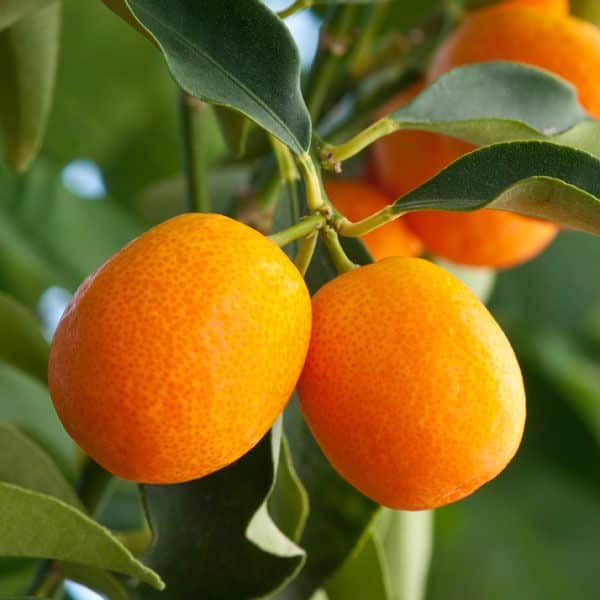
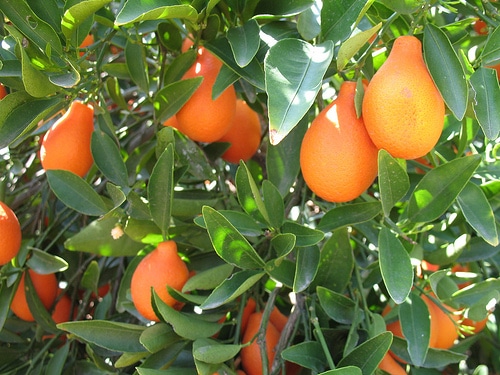
Indio mandarinquat is one of those citrus that immediately feels different. The leaves are noticeably larger than most kumquat types, the fruit is bigger and fuller, and the overall character leans unmistakably toward mandarin—while still living in the kumquat lane.
This variety traces back to an open-pollinated seedling found growing beneath a large, old Nagami kumquat tree at UCLA. The pollen parent was never identified, but the resulting hybrid was distinctive enough to be preserved and later distributed as budwood. In 1972, it was collected and propagated at the United States Date & Citrus Station in Indio, California—giving the variety its name. For citrus enthusiasts, that documented trail alone makes Indio mandarinquat a compelling grow.
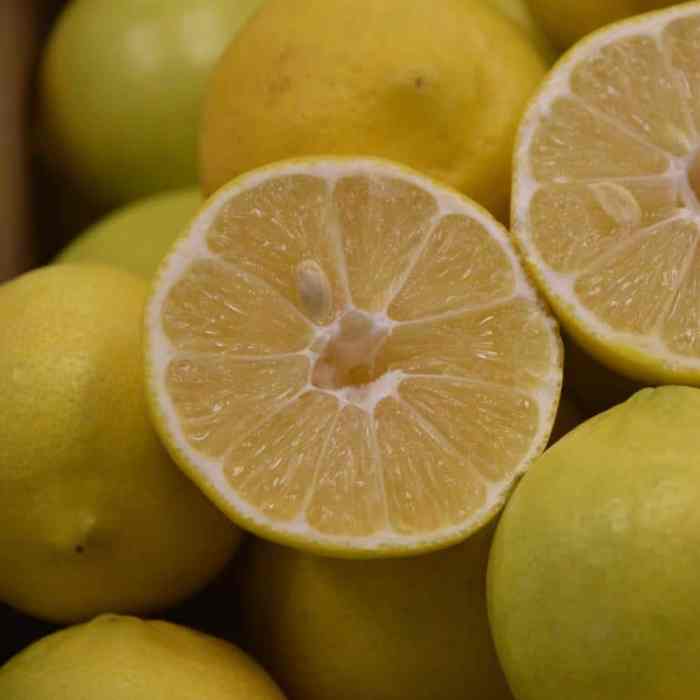
The fruit is notably large for a kumquat hybrid—often several inches long—and the tree itself carries some of the biggest leaves seen in this group. When young foliage is crushed, it releases a mandarin-like scent, a subtle but telling clue to its hybrid nature. It’s a variety that feels generous, both in presence and in harvest.
Overview
- Large-fruited kumquat hybrid with mandarin character.
- Documented origin from open-pollinated Nagami lineage.
- Oversized leaves with mandarin-scented foliage.
- Late winter to extended harvest season.
- Self-fertile.
Growing Details
Latin Name: Citrus (mandarinquat hybrid; often listed as Citrofortunella) ’Indio’
Breeding Background: Open-pollinated seedling found under an old Nagami kumquat at UCLA; propagated and distributed from Indio, California in the early 1970s
Site and Soil: Full sun; well-drained soil
Rootstock: 1-gallon trees on Flying Dragon; larger sizes on C-35
Hardiness: Best suited to USDA Zones 8–11; hardy to around 20–22°F for brief periods with protection once established
Bearing Age: Often fruits immediately; grafted trees may produce in their first season
Size at Maturity:
• Flying Dragon: Typically 4–6 ft tall and wide
• C-35: Typically 8–12 ft tall and wide
Note: Trees grown in containers remain smaller and are easily maintained with pruning.
Bloom Time: Spring to early summer (timing varies by climate)
Ripening Time: Late winter, with fruit often holding well on the tree
Pollination Requirements: Self-fertile
Pests & Diseases: Similar to other citrus; good airflow and drainage reduce issues
Additional Notes
- Grower’s Insight: Indio mandarinquat is a favorite among citrus enthusiasts for its documented history and its sheer scale—between the oversized leaves and large fruit, it feels unusually substantial for a kumquat hybrid.
- Regional Insight: Performs best in warm citrus regions and grows well in containers in cooler climates where winter protection is provided.
- Fruit Size Note: Fruit is consistently large for the kumquat-hybrid group, something we observe reliably on established trees.
- Explore more kumquat and kumquat-adjacent citrus in our collection: Kumquats