Description
Honeyberry is normally described in terms of yield, hardiness and berry size, and flavour comes third. Boreal Beast inverts that. Across three consecutive years of evaluation the University of Saskatchewan’s panel put it at 4.5 out of 5, the highest of the cultivars they were assessing, and the note they kept returning to was aroma: a honey character sitting over the usual sweet-tart honeyberry flavour. It reads the same frozen as fresh, which matters for a fruit most people put up rather than eat in a week.
The berries run about 2 grams, shaped like thick bullets with slightly bumpy skin, on an upright vigorous bush around 5 ft by 6 ft that crops heavily. That is large in absolute terms and smaller than its two siblings, ‘Boreal Blizzard’ and ‘Boreal Beauty’, which is the honest way to put it. Fruit ripens mid to late July, at Saskatoon after ‘Aurora’ and ‘Boreal Blizzard’ and before ‘Boreal Beauty’, which puts it at the back end of the honeyberry season.
Its second job is pollination, and this is the reason it exists in a garden alongside the others. Bloom is mid-season and overlaps both ‘Boreal Blizzard’, which flowers early in the series, and ‘Boreal Beauty’, which flowers late, so one Beast covers both. Bloom timing and ripening timing are separate here and easy to run together: it flowers in the middle and ripens near the end.
Overview
- University of Saskatchewan release, 2016, bred by Bob Bors.
- Highest flavour rating in the program’s three-year evaluation, 4.5 of 5.
- Aromatic, with honey notes, fresh or frozen.
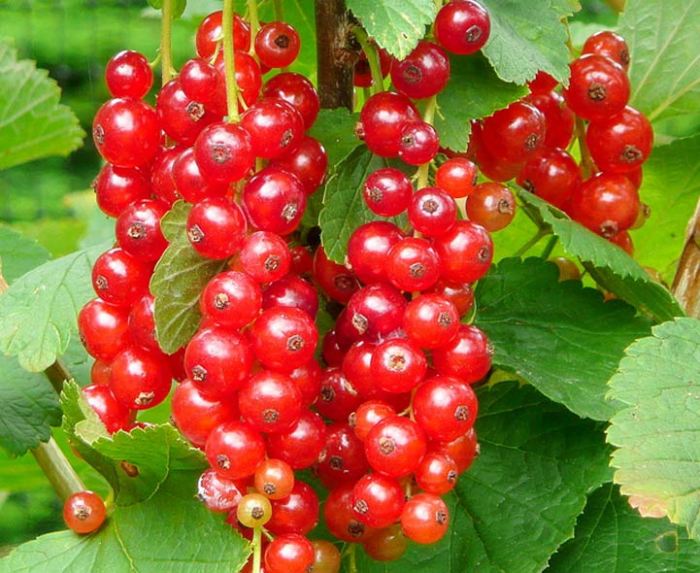
- Berries about 2 grams, thick bullet shape, slightly bumpy skin.
- Upright and vigorous, roughly 5 ft by 6 ft, very productive.
- Blooms mid-season and pollinates both ‘Boreal Blizzard’ and ‘Boreal Beauty’.
- Ripens mid to late July.
- Hardy to Zone 2, with good resistance to powdery mildew.
Growing Details
Latin Name: Lonicera caerulea ‘Boreal Beast’
Site and Soil: Full sun, six hours or more; drained soil across a wide pH range, roughly 5.5 to 8.0, with no acidification needed
Hardiness: Hardy to Zone 2
Size at Maturity: Roughly 5 ft wide by 6 ft tall, upright and vigorous
Fruit: About 2 grams, thick bullet shape with slightly bumpy skin; large for the species and smaller than ‘Boreal Blizzard’ and ‘Boreal Beauty’
Flavour: Aromatic with honey notes; rated 4.5 of 5 across three years in the University of Saskatchewan’s evaluation, and it holds that character frozen
Bloom Time: Mid-season, overlapping both the early and the late end of its series
Ripening Time: Mid to late July; at Saskatoon after ‘Aurora’ and ‘Boreal Blizzard’ and before ‘Boreal Beauty’
Pollination: Not self-fertile. It is itself the recommended partner for ‘Boreal Blizzard’ and ‘Boreal Beauty’, and either of them will pollinate it in return
Pests & Diseases: Good resistance to powdery mildew in Canadian growing regions
Harvest Note: Birds strip ripe honeyberry quickly; netting goes on before the fruit colours
Additional Notes
- Grower’s Insight: Buy this one for eating and let the pollination be the bonus; a planting of Blizzard and Beast gives the biggest berry and the best-tasting berry off two plants that need each other anyway, which is a rare case of the horticulture and the shopping list agreeing.
- Regional Insight: Later bloom is the practical advantage the Boreal releases have over the earlier Russian-derived and Indigo-series cultivars, and it matters most in the maritime Northwest where the earliest honeyberry flowers can open before many pollinating insects are out; through the northern plains, the Upper Midwest and the Northeast it mainly means the flowers miss the worst of the late frosts.
- Honeyberry and haskap are the same plant, and the Saskatchewan releases are usually sold under the haskap name.
- Explore more honeyberries in our collection: Honeyberries