Description
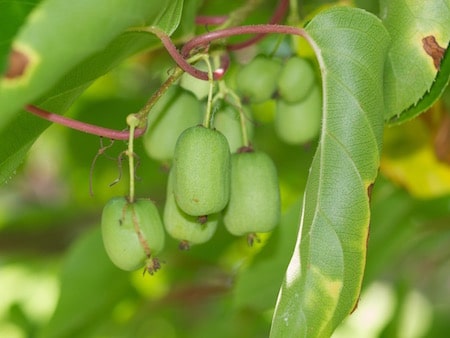
Cordifolia is an early-blooming hardy kiwi selected for sweetness, vigor, and strong production. The smooth, green kiwi berries ripen with a rich, sweet flavor, and the vine itself is known for robust growth and dependable yields once established.
Often listed botanically as Actinidia arguta var. cordifolia, this type has earned a reputation for producing especially sweet fruit compared to many standard arguta selections. Its early bloom and vigorous growth make it a reliable choice for growers who want both flavor and productivity from a classic green kiwi berry.
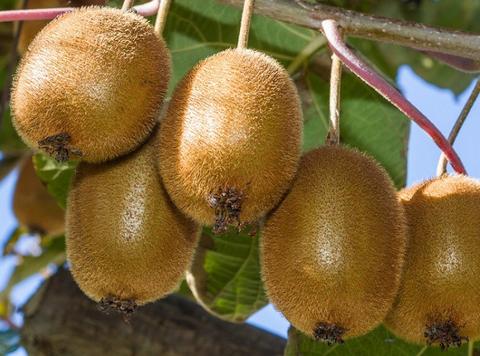
Kiwi berries—also known as hardy kiwi—are smooth-skinned, bite-size kiwis that you eat whole, skin and all. Unlike fuzzy kiwis from the grocery store, these grape-sized fruits require no peeling and soften slightly as they ripen, developing a sweet, tropical kiwi flavor that’s easy to enjoy fresh. The vines themselves are vigorous, cold-tolerant climbers well suited to trellises, pergolas, and arbors, and once established they can produce heavy crops.
Overview
- Fruit type: Kiwi berry (hardy kiwi) with smooth, edible skin
- Fruit size: Grape-sized berries
- Flavor: Especially sweet, clean kiwi flavor
- Color: Green skin and green flesh
- Growth habit: Vigorous climbing vine; easily maintained at 10–12 ft with training and pruning
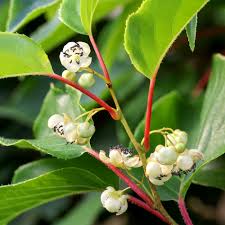
- Bloom timing: Early-blooming within hardy kiwi types
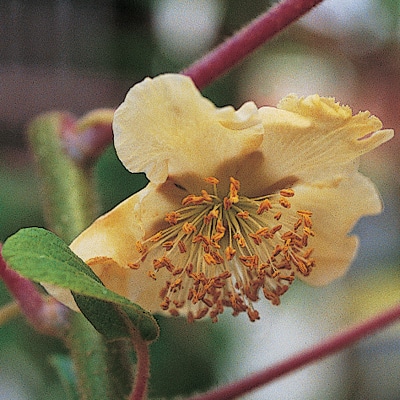
- Pollination: Female; requires a compatible male hardy kiwi vine for fruiting
- Productivity: Known for strong yields once established
Growing Details
Latin Name: Actinidia arguta var. cordifolia
Site and Soil: 1/2 day to full day of sun; well-drained soil
Hardiness: USDA Zones 4–9
Rootstock: Own-root (propagated from cuttings)
Bearing Age: Typically 1–3 years after planting
Size at Maturity: Vigorous climbing vine; easily maintained at 10–12 ft with regular pruning and training
Bloom Time: Early (varies by region)
Ripening Time: Mid-season within kiwi berries; typically September (varies by region)
Fruit Size: Grape-sized
Pollination: Female; requires a compatible male hardy kiwi vine planted within 20–30 feet for fruiting. A proven option is our Male Hardy Kiwi (Meader).
Pests & Diseases: Generally low disease pressure with good airflow and proper pruning
Yield: Commonly 50–80 lbs per mature vine under good growing conditions
Additional Notes
- Grower’s Insight: Cordifolia is often noted for exceptional sweetness among green kiwi berries, especially when fruit is allowed to fully mature before harvest.
- Regional Insight: Cordifolia’s vigor and early bloom make it a strong performer across a wide range of climates, particularly where hardy kiwis are already well adapted.
- Botanical Note: The name “cordifolia” refers to heart-shaped leaves, a subtle botanical distinction sometimes noted in this type.
- Explore more kiwi berry and hardy kiwi vines in our collection: Kiwi & Hardy Kiwi Vines
Planting & Care
<div class=”re-care-summary”>
<h3>At a Glance – Cordifolia Kiwi Berry</h3>
<ul>
<li><strong>Sun:</strong> 1/2 day to full day of sun</li>
<li><strong>Soil:</strong> Well-drained soil; avoid prolonged saturation</li>
<li><strong>Water:</strong> Moderate; consistent during establishment</li>
<li><strong>Size:</strong> Climbing vine; easily maintained at 10–12 ft with pruning</li>
<li><strong>Support:</strong> Requires a strong trellis, arbor, or pergola</li>
<li><strong>Pollination:</strong> Female; requires a male hardy kiwi within 20–30 feet</li>
<li><strong>Harvest:</strong> Mid-season within kiwi berries</li>
<li><strong>Hardiness:</strong> USDA Zones 4–9</li>
</ul>
</div>
<h2>Planting & Care</h2>
<h3>Site Selection</h3>
<ul>
<li>Choose a site with good sun exposure for best growth and sweetness.</li>
<li>Full sun is ideal, but at least 1/2 day of sun is sufficient.</li>
<li>Good airflow supports healthy vines and consistent fruiting.</li>
<li>Select a location where permanent support can be installed.</li>
</ul>
<h3>Soil Preparation</h3>
<ul>
<li>Kiwi berries grow best in well-drained soil.</li>
<li>Avoid areas with standing water or heavy compaction.</li>
<li>Light compost amendment can improve soil structure if needed.</li>
<li>Slightly acidic to neutral soil is ideal, though vines are adaptable.</li>
</ul>
<h3>Planting Instructions</h3>
<ul>
<li>Dig a hole twice as wide as the root system.</li>
<li>Plant at the same depth as the container-grown vine.</li>
<li>Backfill with native soil and water thoroughly.</li>
<li>Mulch 2–3 inches deep to stabilize moisture (keep mulch off the stem).</li>
</ul>
<h3>Watering & Fertilizing</h3>
<ul>
<li>Water consistently during the first 1–2 years.</li>
<li>Deep watering is preferred over frequent shallow irrigation.</li>
<li>Once established, allow soil to partially dry between waterings.</li>
<li>Apply compost or a balanced fertilizer in early spring if growth is weak.</li>
</ul>
<h3>Support & Training</h3>
<ul>
<li>Install trellising, an arbor, or a pergola at planting time.</li>
<li>Train a single strong trunk upward during the first year.</li>
<li>Establish one or two permanent horizontal cordons along the support.</li>
</ul>
<h3>Pruning & Training (Think Grapes)</h3>
<ul>
<li>Hardy kiwis are pruned using a grape-style system.</li>
<li>Fruit is produced on new shoots that grow from last year’s wood.</li>
<li>In winter, cut back fruiting growth to short spurs with 2–4 buds.</li>
<li>Summer pruning helps manage vigor and improve light penetration.</li>
</ul>
<h3>Pollination</h3>
<ul>
<li>Cordifolia is a female kiwi berry and is not self-fertile.</li>
<li>Plant a compatible male hardy kiwi within 20–30 feet.</li>
<li>One healthy male can pollinate multiple female vines.</li>
</ul>
<h3>Harvest & Use</h3>
<ul>
<li>Harvest when fruit reaches full size and begins to soften slightly.</li>
<li>Fruit may ripen unevenly and is often harvested in multiple passes.</li>
<li>Kiwi berries can finish ripening off the vine.</li>
<li>Enjoy fresh for best sweetness and flavor.</li>
</ul>
<h3>General Tips</h3>
<ul>
<li>Focus on structure and training in the first year.</li>
<li>Consistent pruning keeps vines productive and manageable.</li>
<li>Strong support is essential for long-term success.</li>
</ul>
No reviews of this plant yet.