Description
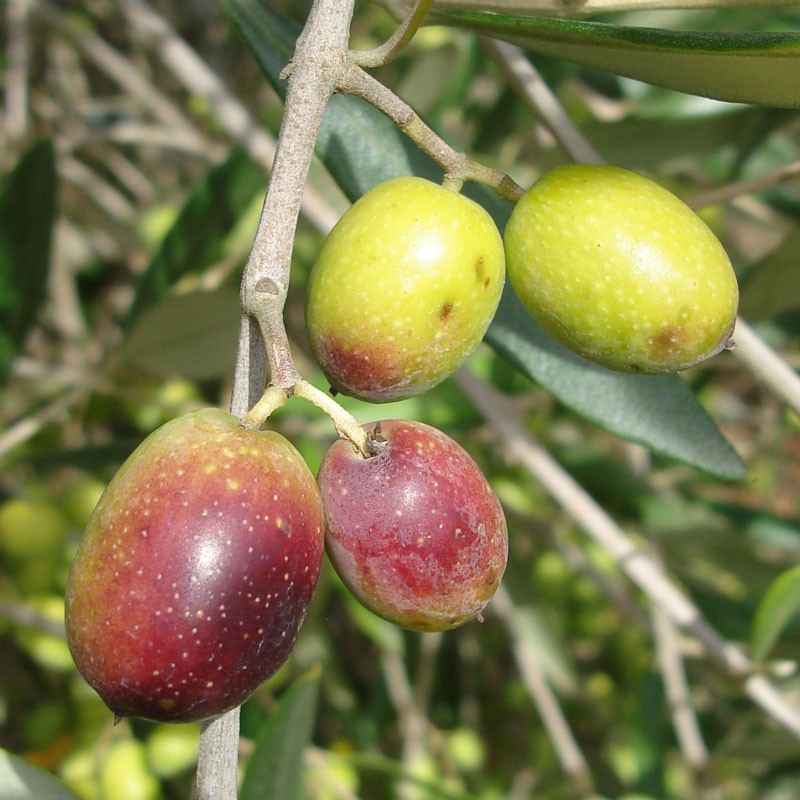
Frantoio is one of the defining olives behind Tuscan-style oil—fresh, green-fruity character with an edge of bitterness and pepper when harvested early. It’s widely planted because it performs across a range of climates, and while it can set fruit on its own in many conditions, it typically becomes more consistent and productive with a compatible olive nearby.
Originating in Tuscany, Italy, Frantoio has long been valued for oil quality and reliability. In technical cultivar references, it’s described as a high and consistent producer, and its oil is often noted for elevated oleic acid and phenolic content—traits that commonly show up as structure, bitterness, and that signature peppery finish in fresh oil.
Frantoio’s growth habit is often described as more tree-like than shrubby, lending itself well to clean structure, airflow, and long-term management. Like all olives, growth rate and ultimate size are strongly shaped by climate and culture. Trees grown in warm, dry regions such as California tend to show more vigor, while container-grown trees or those grown in cooler coastal climates often remain more restrained. With thoughtful pruning and siting, Frantoio can be kept productive and well-scaled to a wide range of growing situations.
Overview
- Italian oil olive cultivar strongly associated with Tuscany
- Known for aromatic oils with green-fruity notes and a peppery finish
- Tree-like growth habit; responds well to pruning and training
- Mid-season ripening; timing varies by region and climate
- Self-fertile in many reports; cross-pollination often improves consistency
Growing Details
Latin Name: Olea europaea ‘Frantoio’
Origin: Central Italy (Tuscany)
Site and Soil: Full sun preferred; well-drained soil is essential
Cold Tolerance: UC Freeze Category: Sensitive; established trees have reported wood survival around ~20°F
Rootstock: Own-root (propagated from cuttings)
Bearing Age: Often fruits once established; production improves with maturity
Size at Maturity: Typically maintained at 8–12 ft tall and wide with pruning
Note: Size reflects managed garden or container-grown trees; growth and ultimate size vary by climate and whether planted in-ground or in containers. Unpruned trees can grow larger over time
Bloom Time: Mid to late spring (varies by region)
Ripening Time: Mid-season olive; harvest timing varies by climate and season length
Pollination: Pollination required; plant a compatible olive variety within 20–30 feet
Pests & Diseases: Generally resilient with good airflow and drainage; regional pressure varies
Additional Notes
- Grower’s Insight: “Frantoio” literally translates to “oil mill” in Italian—a fitting name for a cultivar prized for oil quality. Its higher phenolic content is often what gives fresh oils that lively bitterness and peppery finish.
- Regional Insight: Considered one of the more viable olives for cooler regions, including the Pacific Northwest, when sited for warmth, drainage, and wind protection.
- Harvest stage matters: Oil olives may be harvested from green to fully purple depending on the flavor profile you want—brighter and grassier early, richer and more mellow later.
- Pollination clarity: “Self-fertile” in olives is often situational—Frantoio may fruit alone, but a pollination partner commonly improves consistency and crop load.