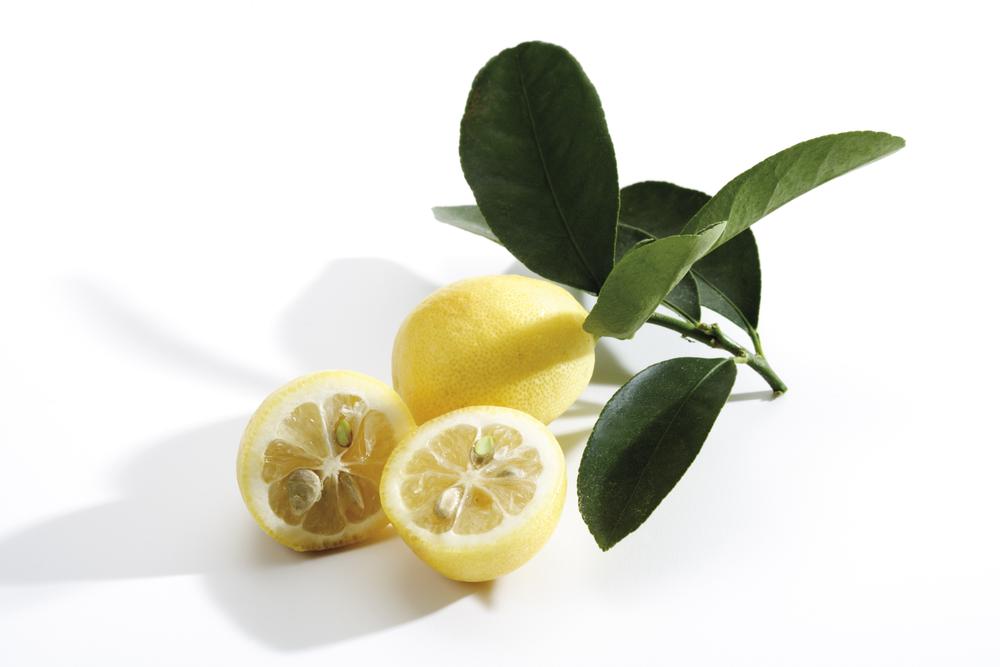
Eustis Limequat

Price range: $34.99 through $159.99

Eustis Limequat delivers bright, lime-like flavor with improved cold tolerance and impressive productivity.

  • Lime √ó kumquat hybrid with bold citrus flavor.
  • Excellent substitute for limes in cooking and drinks.
  • More cold tolerant than true limes.
  • Compact, productive tree well suited to containers.
  • Self-fertile.
Add to Wishlist
Add to Wishlist
SKU: Eustis Limequat Categories: , , Tag:

Description

Limequat is a natural citrus hybrid that brings together the best of both parents—the sharp, refreshing acidity of lime and the resilience and edible peel of kumquat. The result is a small, vibrant citrus that punches well above its size in flavor and versatility.

The fruit is typically harvested when fully yellow, offering a tart, lime-forward juice balanced by a mildly sweet, aromatic rind. Limequats shine in beverages, marmalades, desserts, and savory dishes where bright citrus flavor is desired without the fragility of true limes.

The tree itself is compact, attractive, and well suited to container growing. With improved cold tolerance compared to standard limes, limequat opens the door to lime-like flavor for growers in cooler regions willing to provide light winter protection.

Overview

  • Lime √ó kumquat hybrid with intense citrus flavor.
  • Edible peel adds sweetness and aroma.
  • More cold tolerant than most limes.
  • Compact size ideal for containers and patios.
  • Self-fertile.

Growing Details

Latin Name: Citrus √ó floridana

Site and Soil: Full sun preferred; well-drained soil

Rootstock: 1-gallon trees on Flying Dragon; larger sizes on C-35

Hardiness: More cold tolerant than true limes; tolerates temperatures into the low 20s °F once established with protection

Bearing Age: 2–4 years

Size at Maturity:

• Flying Dragon: Typically 6–8 ft tall and wide

• C-35: Typically 10–12 ft tall and wide

Note: Trees grown in containers remain smaller and are easily maintained with pruning.

Bloom Time: Spring

Ripening Time: Fall to early winter

Pollination Requirements: Self-fertile

Pests & Diseases: Similar to other citrus; good airflow and drainage reduce issues

Additional Notes

  • Grower‚Äôs Insight: Limequat‚Äôs edible peel allows the entire fruit to be used‚Äîsliced, zested, or preserved‚Äîmaking it especially popular for marmalades and cocktails.
  • Regional Insight: Limequat performs well in mild-winter regions and excels as a container citrus in cooler climates where true limes struggle.
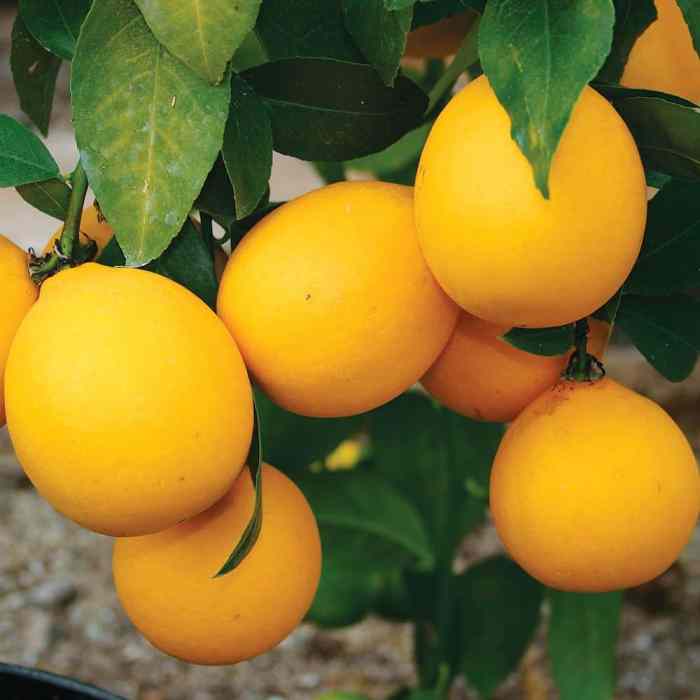

Planting & Care

At a Glance – Eustis Limequat

  • Sun: 3/4 day to full day of sun
  • Soil: Well-drained soil
  • Soil pH: Performs best between 5.5–6.5
  • Water: Moderate; consistent during establishment
  • Tree Size: Compact to medium, manageable with pruning
  • Pollination: Self-fertile
  • Harvest: Late fall through winter
  • Hardiness: Brief dips to mid-to-upper 20s°F once mature

Planting & Care – Eustis Limequat

Site Selection

  • Choose a sunny location for best growth, flavor, and productivity.
  • Warm microclimates and wind protection improve cold performance.
  • Good air movement supports healthy foliage and fruiting.

Soil Preparation (In-Ground vs Container)

  • In-ground: Drainage is key. Limequats perform best where excess water moves away from the roots quickly.
  • In-ground: Slightly acidic soil (pH 5.5–6.5) improves nutrient availability and leaf color.
  • Container: Use a fast-draining citrus mix in a pot with drainage holes.
  • Container: Containers are an excellent option if winter protection is needed.

Planting Instructions

  1. Dig a hole about twice the width of the root ball, or choose a container just larger than the root mass.
  2. Set the tree so the root flare sits at or slightly above finished soil or potting mix.
  3. Backfill gently and water thoroughly to settle.
  4. Mulch lightly for in-ground plantings, keeping mulch away from the trunk.

Watering (In-Ground vs Container)

  • In-ground, establishment: Keep soil evenly moist while roots establish, allowing the surface to dry slightly between waterings.
  • In-ground, established: Deep, periodic watering encourages strong root development.
  • Simple check: If soil feels dry 3–6″ below the surface, it’s time to water.
  • Container: Water thoroughly, then allow the top couple inches of mix to dry before watering again.
  • Goal: A steady wet-to-dry rhythm keeps roots active and resilient.

Fertilizing

  • Citrus are heavy feeders, and limequats respond well to consistent nutrition.
  • Simple approach: Apply a slow-release citrus fertilizer in early spring and again in early summer.
  • In-ground trees: Slow-release feeding supports steady growth without excessive softness.
  • Container trees: Lighter but more frequent feeding works well due to nutrient leaching.
  • Optional boost: Occasional liquid feeding during active growth can fine-tune vigor and leaf color.
  • Ease off feeding later in the season to help the tree harden before winter.

Cold Care

  • Limequats are more cold tolerant than true limes, especially once established.
  • Young trees benefit from protection during freezing weather.
  • Container trees can be moved to a protected location during hard freezes.

Pruning

  • Light pruning maintains shape and airflow.
  • Remove damaged or crossing branches as needed.

Harvest & Use

  • Harvest when fruit is fully colored and aromatic.
  • Use juice and zest anywhere you would normally use lime.

General Tips

  • Reliable drainage, steady feeding, and sun are the keys to success.
  • Limequat is forgiving and productive once established.