Description
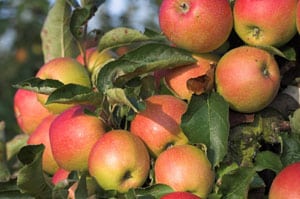
Evereste is a modern crabapple selection developed for exceptional disease resistance, heavy flowering, and reliable performance across a wide range of climates. While often planted for its abundant spring bloom and attractive fruit set, Evereste is also valued as a functional tree in productive orchards. The small crabapples are firm, high in pectin, and well suited to jelly, preserves, and cider blending. While not typically eaten fresh out of hand, the fruit is fully usable in the kitchen and holds well on the tree into fall, extending its ornamental and functional value. Evereste is especially prized as a pollination partner for apples due to its long, overlapping bloom period and heavy flower production. Grafted onto Antonovka rootstock, it forms a hardy, resilient tree well suited to colder regions and low-input plantings.
Overview
- Highly disease-resistant crabapple.
- Heavy spring bloom with extended flowering period.
- Edible fruit ideal for jelly, preserves, and cider use.
- Excellent pollination partner for apple orchards.
- Cold-hardy and adaptable.
Growing Details
Latin Name: Malus ’Evereste’
Site and Soil: 1/2 day to full day of sun; well-drained soil
Rootstock: Antonovka
Hardiness: USDA Zones 4–8
Bearing Age: 1–3 years
Size at Maturity: Typically 18–25 ft tall and wide; easily maintained at a smaller size with routine pruning
Bloom Time: Mid to late spring
Ripening Time: Early to mid fall
Pollination Requirements: Self-fertile; excellent pollinizer for apples within 20–30 ft
Pests & Diseases: Exceptional resistance to apple scab; very good resistance to fire blight and mildew
Additional Notes
- Grower’s Insight: Evereste is often planted specifically to improve fruit set in nearby apple trees while also producing usable crabapples.
- Regional Insight: Performs especially well in cooler regions and areas with high disease pressure where clean foliage matters.
- Fruit is high in pectin, making it ideal for jelly and preserves.
- Crabapples are typically too firm and tart for fresh eating.
- Explore more apples in our collection: Apple Trees