Description
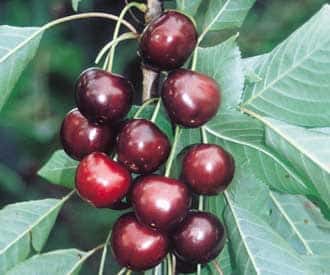
Scarlet Sentinel™ delivers classic red-apple flavor on a tree designed for modern spaces. Its upright, columnar form fruits along the main leader rather than spreading outward, turning patios, walkways, and small gardens into productive apple plantings without sacrificing flavor. The apples ripen in late September with a clean, balanced profile—sweet enough for fresh eating, with enough acidity to stay lively. The texture is crisp and refreshing, making Scarlet Sentinel™ an easy, everyday apple for small-space growers. Like other true columnar apples, Scarlet Sentinel™ traces back to the McIntosh columnar mutation first identified in Canada, a genetic foundation that allows compact trees to carry real, full-sized fruit rather than novelty harvests.
Overview
- True columnar apple with fruit borne on short spurs along the main leader
- Exceptionally narrow growth habit suited to small spaces
- Crisp red apples with balanced sweet-tart flavor
- Mid-season ripening, typically late September
- Requires a compatible apple pollination partner
Growing Details
Latin Name: Malus domestica ’Scarlet Sentinel™’
Site and Soil: 1/2 day to full day of sun; well-drained soil
Rootstock: 1-gallon trees on M-7; larger sizes on M-106
Hardiness: USDA Zone 4–9
Bearing Age: 1–3 years
Size at Maturity: •
M-7: Typically 8–10 ft tall with routine pruning•
M-106: Typically 8–10 ft tall with routine pruningNote: Columnar apples remain narrow by nature; container-grown trees stay smaller and are easily managed with pruning.
Bloom Time: Mid-season
Flowering Group: Group 3 (mid-season)
Ripening Time: Mid-season; typically late September (varies by region)
Pollination: Pollination required; plant a compatible apple variety within 20–30 feet
Pests & Diseases: Standard apple pest and disease considerations; good airflow and routine care are important
Additional Notes
- Grower’s Insight: Scarlet Sentinel™ is often chosen for its balance—sweet enough for fresh eating, with enough acidity to stay bright—making it a versatile red apple in compact plantings.
- Regional Insight: Performs well across temperate regions, including the Pacific Northwest, where cooler nights help preserve crisp texture and balanced flavor.
- Regular light pruning helps maintain the narrow columnar form.
- Well suited to in-ground planting, raised beds, and large containers.
- Explore more apples in our collection: Apple Trees