Chocolate Persimmon

Price range: $69.99 through $79.99

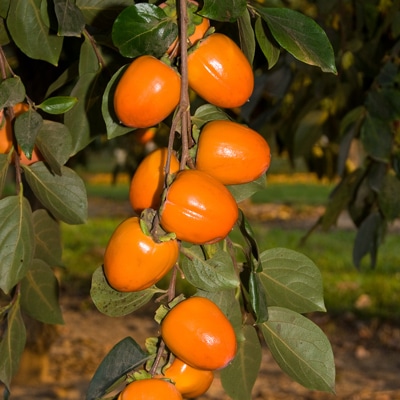
Chocolate persimmon is a unique Asian persimmon prized for its sweet, non-astringent fruit and rich brown-flecked flesh that deepens when pollinated.

  • Non-astringent Asian persimmon that can be eaten while firm.
  • Distinctive brown-flecked “chocolate” flesh when pollinated.
  • Sweet, mild flavor with excellent fresh-eating quality.
  • Fruit may be seedless or seeded depending on pollination.
  • Reliable producer in warm, well-drained sites.
Add to Wishlist
Add to Wishlist
SKU: N/A Categories: , , Tag:

Description

Chocolate persimmon is a classic Asian persimmon (*Diospyros kaki*) known for its unique flesh coloration and approachable, sweet flavor. When fully mature, the fruit is non-astringent and can be eaten while still firm, making it an easy and rewarding persimmon for fresh eating.

This variety belongs to a group known as pollination-variant non-astringent (PVNA) persimmons. When Chocolate persimmon is pollinated, the fruit develops its signature brown-flecked “chocolate” flesh and often a deeper, richer flavor. Without pollination, the fruit will still set, ripen, and remain sweet and non-astringent, but the flesh stays lighter in color and the fruit is typically seedless.

This flexibility makes Chocolate persimmon especially appealing for home orchards—growers can enjoy seedless fruit without a pollinizer, or introduce pollination to enhance color and complexity if desired.

Overview

  • Non-astringent Asian persimmon suitable for eating firm.
  • Pollination-variant variety with distinctive brown-flecked flesh.
  • Fruit sets without pollination and is often seedless.
  • Pollination deepens flesh color and flavor richness.
  • Excellent fresh-eating persimmon with visual appeal.

Growing Details

Latin Name: Diospyros kaki ‘Chocolate’
Site and Soil: 1/2 day to full day of sun; well-drained soil
Rootstock: Diospyros lotus
Hardiness: USDA Zones 7–10
Bearing Age: 1–3 years
Size at Maturity: Typically 15–25 ft tall and wide; easily maintained at a smaller size with routine pruning
Bloom Time: Late spring
Ripening Time: Mid to late fall (typically October–November)
Pollination Requirements: Self-fertile; pollination increases seed formation and deepens brown flesh color and flavor
Pests & Diseases: Generally low-pressure; good drainage and airflow reduce issues

Additional Notes

  • Grower’s Insight: Chocolate persimmon is prized for its flexibility—seedless fruit without pollination, or richer color and complexity when pollinated.
  • Regional Insight: Chocolate performs best in regions with warm summers and mild winters where Asian persimmons ripen reliably.
  • If grown without a pollinizer, fruit is often seedless with lighter flesh.
  • If pollinated, expect seeds and the signature dark “chocolate” flesh.
  • Be aware that adding a strong pollinizer can introduce seeds into nearby Asian persimmons.
  • Explore more Asian persimmons in our collection: Asian Persimmons
Planting & Care

<div class=”re-care-summary”>
<h3>At a Glance – Chocolate Asian Persimmon</h3>
<ul>
<li><strong>Sun:</strong> 1/2 day to full day</li>
<li><strong>Soil:</strong> Well-drained soil</li>
<li><strong>Water:</strong> Regular watering during establishment</li>
<li><strong>Tree Size:</strong> Medium (maintainable with pruning)</li>
<li><strong>Pollination:</strong> Optional; affects flesh color and seed formation</li>
<li><strong>Harvest:</strong> Mid to late fall</li>
<li><strong>Hardiness:</strong> Moderate cold tolerance</li>
</ul>
</div>

<h2>Planting &amp; Care – Chocolate Asian Persimmon</h2>

<h3>Site Selection</h3>
<ul>
<li>Choose a warm, sunny site for best fruit quality.</li>
<li>Shelter from strong winds helps prevent fruit drop.</li>
</ul>

<h3>Soil Preparation</h3>
<ul>
<li>Plant in well-drained soil; Asian persimmons dislike wet feet.</li>
<li>Raised planting areas help in heavier soils.</li>
</ul>

<h3>Planting Instructions</h3>
<ol>
<li>Plant so the root flare sits at or slightly above finished soil level.</li>
<li>Water thoroughly after planting.</li>
<li>Mulch lightly, keeping mulch away from the trunk.</li>
</ol>

<h3>Watering &amp; Fertilizing</h3>
<ul>
<li>Water consistently during the first growing season.</li>
<li>Once established, water deeply during extended dry periods.</li>
<li>Avoid excessive nitrogen, which can reduce fruit quality.</li>
</ul>

<h3>Pruning</h3>
<ul>
<li>Light pruning maintains structure and manageable size.</li>
<li>Thin crowded branches to improve light penetration.</li>
</ul>

<h3>Harvest &amp; Use</h3>
<ul>
<li>Harvest when fruit is fully colored.</li>
<li>Fruit may be eaten firm or slightly softened.</li>
<li>Best enjoyed fresh to appreciate texture and flavor.</li>
</ul>

<h3>General Tips</h3>
<ul>
<li>Pollination is optional and changes fruit character, not productivity.</li>
<li>A standout choice for growers who enjoy unique fruit traits.</li>
</ul>