Chestnut Tree (Nevada)

$59.99

Nevada Chestnut is a vigorous hybrid chestnut developed by Dr. Robert Z. Grimo, valued for its reliable nut production and strong pollen production. It is widely planted as the ideal pollinator for Colossal Chestnut.

  • Excellent pollinator for Colossal chestnut
  • Produces medium-large sweet chestnuts
  • Reliable, productive hybrid chestnut
  • European × Japanese chestnut hybrid
  • Strong pollen producer

Shop both locations freely. Picking up? Choose your location at checkout. Shipping? Stock location does not matter, we will handle it. Combined orders may take 3 to 7 days.

Total in stock: -

Add to Wishlist
Add to Wishlist
SKU: Chestnut Tree (Nevada) Category:

Description

Nevada Chestnut is a productive hybrid chestnut developed by chestnut breeder Dr. Robert Z. Grimo. Combining the nut quality of European chestnuts with the vigor and resilience of Japanese chestnut genetics, Nevada has become a reliable orchard tree across many chestnut-growing regions.

The nuts are medium to large in size with a classic chestnut flavor that performs well for roasting, baking, and seasonal dishes. While its nut size is slightly smaller than the famous Colossal chestnut, Nevada compensates with dependable productivity and excellent pollen production.

This strong pollen production makes Nevada one of the most widely recommended pollinator trees for Colossal Chestnut. Many chestnut orchards plant Nevada specifically to ensure proper pollination and consistent crops.

The tree itself is vigorous and adaptable, forming a large canopy over time if left unpruned. With regular pruning, it can be maintained at a manageable size for home orchards.

Overview

  • Hybrid chestnut developed by Dr. Robert Z. Grimo
  • Strong pollen producer and excellent pollinator
  • Produces medium-large edible chestnuts
  • Reliable productivity once established
  • Widely paired with Colossal chestnut trees

Growing Details

Latin Name: Castanea sativa × Castanea crenata ‘Nevada’

Site and Soil: 1/2 day to full day of sun; well-drained soil

Hardiness: USDA Zone 5–9

Rootstock: Colossal seedling chestnut

Bearing Age: 3–5 years

Size at Maturity: 30–50 ft if left unpruned; can be maintained smaller with pruning

Bloom Time: Late spring to early summer

Ripening Time: Mid-season chestnut; typically September–October

Pollination: Pollinates Colossal and other chestnut varieties; plant within 20–30 ft

Pests & Diseases: Improved resilience compared to pure European chestnuts

Additional Notes

  • Grower’s Insight: Nevada is commonly planted specifically to pollinate Colossal chestnut trees, helping ensure consistent nut set in orchards.
  • Regional Insight: Performs well across many climates including the Pacific Northwest, where chestnuts thrive in well-drained soils.
  • Planting Nevada alongside Colossal improves pollination and overall chestnut production.
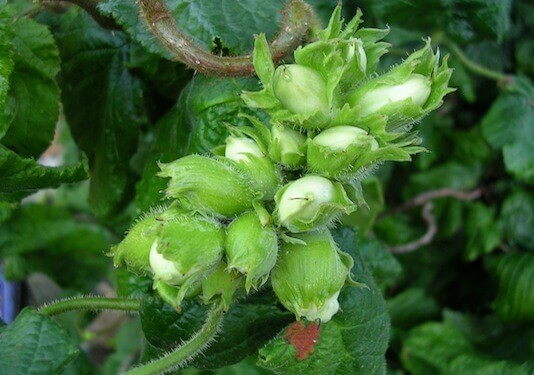
  • Chestnuts ripen when burrs open and nuts fall naturally from the tree.
Planting & Care

At a Glance – Nevada Chestnut

  • Sun: 1/2 day to full day of sun
  • Soil: Well-drained soil
  • Water: Moderate; consistent moisture during establishment
  • Size: Large tree unless pruned
  • Pollination: Excellent pollinator for Colossal
  • Harvest: Mid fall
  • Hardiness: USDA Zone 5–9

Planting & Care – Nevada Chestnut

Site Selection

  • Choose a sunny site with good air circulation.
  • Chestnuts prefer well-drained soils and should not be planted in areas prone to standing water.
  • Allow sufficient space for growth or plan to prune for size control.

Soil Preparation

  • Chestnuts prefer slightly acidic, well-drained soils.
  • Avoid heavy clay or poorly drained areas.
  • Ideal soil pH ranges from 5.5–6.5.

Planting Instructions

  • Dig a hole roughly twice the width of the root system.
  • Plant with the root flare at or just above soil level.
  • Backfill with native soil and water thoroughly.
  • Apply mulch while keeping it away from the trunk.

Watering & Fertilizing

  • Water regularly during the first growing season.
  • Once established, chestnuts tolerate moderate drought but produce best with consistent moisture.
  • Apply balanced fertilizer in early spring if needed.

Pruning

  • Prune during dormancy to shape the tree and maintain height.
  • Remove damaged or crossing branches.
  • An open canopy improves sunlight penetration and nut production.

Harvest

  • Chestnuts are ready when burrs open and nuts fall naturally.
  • Gather nuts regularly during harvest season.
  • Store fresh chestnuts in cool conditions to maintain quality.

Growing Tips

  • Plant at least two chestnut varieties for proper pollination.
  • Nevada is especially effective at pollinating Colossal chestnut.
  • Wear gloves when handling chestnut burrs.