Description
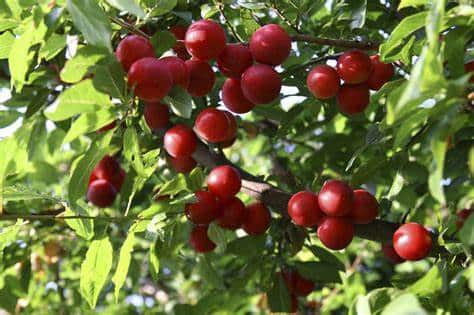
Delight Cherry Plum is an interspecific plum bred for growers who want something lively and refreshing—small fruit with a tangy bite that keeps you coming back. It’s the kind of tree that turns into a summer habit: step outside, grab a handful, and enjoy a flavor that feels brighter than most sweetness-forward hybrids.
Delight is also known for productivity. Dave Wilson describes it as a heavy-cropping selection that can remain very productive even under less-than-perfect conditions—an important trait when you’re growing for real life, not perfect test-plot management.
It ripens midseason within cherry-plum interspecifics, commonly landing from mid-July into early August in warm-summer reference regions. For consistent fruit set, plan on a compatible pollination partner nearby.
Overview
- Japanese plum √ó cherry-plum interspecific (Zaiger selection)
- Tangy, refreshing flavor profile (brightness-forward)
- Small cherry-plum size for easy fresh eating
- Clingstone fruit with juicy texture
- Midseason ripening within cherry-plum interspecifics
- Requires cross-pollination for reliable production
Growing Details
Latin Name: Prunus salicina √ó Prunus cerasifera ’Delight’
Site and Soil: 1/2 day to full day of sun; well-drained soil
Chill Requirement: 400 hours
Hardiness: USDA Zone 4–9
Rootstock: Citation
Bearing Age: 1–3 years
Size at Maturity: Semi-dwarf; typically maintained around 10–14 ft with pruning
Flowering Time: Mid flowering (within plum / interspecific plum types)
Ripening Time: Midseason within cherry-plum interspecifics; approx. July 17 to August 10 in warm-summer reference regions (later in cooler areas)
Pollination: Pollination required; pollenized by Sprite Cherry Plum planted within 20–30 feet
Pests & Diseases: Standard plum and interspecific hybrid considerations; good airflow is important
Yield: Heavy crops once established with proper pollination
Additional Notes
- Grower’s Insight: Delight is the “bright” choice in the cherry-plum niche—tangy and refreshing rather than purely sugar-forward, and known for heavy production once established.
- Regional Insight: In cool or wet spring climates such as the Pacific Northwest, coastal regions, or higher elevations, bloom weather can limit pollinator flight. Plant Sprite nearby, support early pollinators, and avoid sprays during bloom to improve fruit set.
- Ripening Context: Delight ripens in the midseason cherry-plum window and often overlaps closely with Sprite, with the key difference being flavor direction: Delight leans tangy, while Sprite leans sweet and low-acid.
- Heritage Note: Dave Wilson notes that many years ago the names “Sprite” and “Delight” were inadvertently switched—today’s descriptions reflect the current, established naming and fruit traits.
- Thin fruit in heavy years to improve size and reduce limb stress.
- Explore more interspecific hybrids in our collection: All Interspecific Hybrids