Calamondin

Price range: $34.99 through $409.99

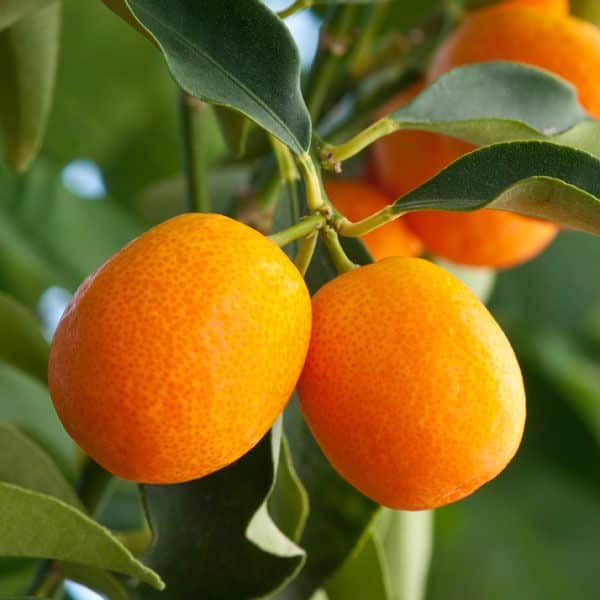
Calamondin—often called calamansi or t·∫Øc—is a small, sour citrus grown for cooking, sauces, and drinks, prized for its intense juice and year-round usefulness in the kitchen.

  • Sour, juice-forward citrus used for cooking and drinks.
  • Not a kumquat; a kumquat–mandarin hybrid.
  • Essential in Southeast Asian and Vietnamese cooking.
  • Compact tree well suited to containers.
  • Self-fertile.
Add to Wishlist
Add to Wishlist
SKU: Calamondin Categories: , Tag:

Description

Calamondin is a kitchen citrus first and foremost. Known widely as calamansi—and commonly called t·∫Øc in Vietnamese communities—this small, intensely sour fruit is squeezed, sliced, and used daily in cooking rather than eaten out of hand. It’s the citrus people come back for when they want flavor, not sweetness. Botanically, calamondin is not a true kumquat, though it carries kumquat lineage through hybrid parentage. That heritage explains why it’s often grouped alongside kumquats in conversation, even though its role is very different. The juice is sharp and aromatic, perfect for dipping sauces, marinades, seafood, noodle dishes, and bright, refreshing drinks. It’s also valued as a vitamin C–rich citrus used in traditional home cooking and wellness routines.

Overview

  • Sour, juice-focused citrus used primarily for cooking.
  • Commonly known as calamansi or t·∫Øc.
  • Hybrid citrus with kumquat ancestry (not a true kumquat).
  • Compact, productive tree suitable for containers.
  • Self-fertile.

Growing Details

Latin Name: Citrus √ó microcarpa (Calamondin / Calamansi)
Site and Soil: Full sun; well-drained soil
Rootstock: 1-gallon trees on Flying Dragon; larger sizes on C-35
Hardiness: Best suited to USDA Zones 9–11; hardy to around 20°F for brief periods with protection once established
Bearing Age: Often fruits immediately; grafted trees may produce in their first season
Size at Maturity:
Flying Dragon: Typically 4–6 ft tall and wide•
C-35: Typically 8–12 ft tall and wideNote: Trees grown in containers remain smaller and are easily maintained with pruning.
Bloom Time: Spring, with repeat flowering possible in warm conditions
Ripening Time: Fruit may be present much of the year, with peak harvest in cooler months
Pollination Requirements: Self-fertile
Pests & Diseases: Similar to other citrus; good airflow and drainage reduce issues

Additional Notes

  • Grower’s Insight: In Vietnamese markets, calamondin is commonly called t·∫Øc (or qu·∫•t), while kim qu·∫•t refers to true kumquats—this naming difference explains why many customers ask for “kumquat” when they’re really looking for calamondin.
  • Regional Insight: Thrives in warm citrus regions and performs exceptionally well as a container citrus where it can be protected from cold.
  • Kitchen Use: Squeeze for sauces and marinades, slice into noodle dishes, add to seafood, or mix into drinks and teas for bright acidity.
  • Explore more kumquat and kumquat-adjacent citrus in our collection: Kumquats
Planting & Care

At a Glance – Calamondin (Calamansi)

  • Sun: 3/4 day to full day of sun
  • Soil: Well-drained soil
  • Soil pH: Performs best between 5.5–6.5
  • Water: Moderate; consistent during establishment
  • Tree Size: Compact; ideal for containers
  • Pollination: Self-fertile
  • Harvest: Year-round in warm climates
  • Hardiness: Hardy to ~20°F for brief periods with protection

Planting & Care – Calamondin (Calamansi)

Site Selection

  • Choose a sunny, warm location to support frequent flowering and fruiting.
  • South-facing exposures improve productivity in marginal climates.
  • Shelter from cold wind reduces leaf drop and stress.

Soil Preparation (In-Ground vs Container)

  • In-ground: Excellent drainage is essential; raised planting helps in heavier soils.
  • In-ground: Slightly acidic soil supports nutrient uptake.
  • Container: Use a fast-draining citrus mix in a pot with generous drainage holes.
  • Container: Container culture allows easy winter protection and size control.

Planting Instructions

  1. Dig a hole twice the width of the root ball, or choose a container slightly larger than the root mass.
  2. Set the tree so the root flare sits at or slightly above finished soil or potting mix.
  3. Backfill gently and water thoroughly.
  4. Mulch lightly for in-ground trees, keeping mulch away from the trunk.

Watering (In-Ground vs Container)

  • In-ground, establishment: Keep soil evenly moist during the first growing season.
  • In-ground, established: Deep, periodic watering supports steady fruiting.
  • Check: Water when soil is dry 3–6 inches below the surface.
  • Container: Water thoroughly, then allow the top couple inches of mix to dry.

Fertilizing

  • Calamondin responds well to consistent citrus nutrition.
  • Base feeding: Apply slow-release citrus fertilizer in early spring and early summer.
  • Support feeding: Supplemental liquid feeding during active growth encourages flowering.
  • Reduce feeding later in the season to support winter balance.

Cold Care

  • Protect trees during freezing weather.
  • In-ground: Use frost cloth and protect the root zone during cold snaps.
  • Container: Move to a sheltered or bright indoor location before hard freezes.

Pruning & Harvest

  • Light pruning maintains shape and encourages new growth.
  • Harvest fruit when green to yellow-orange, depending on preferred acidity.

General Tips

  • This is a culinary citrus—expect sour juice, not sweetness.
  • Frequent harvesting encourages continued flowering and fruit set.