Description
Little Cado — sold across the U.S. under both its trade name and its original cultivar name, Wurtz — is a true-dwarf avocado that arose as a chance seedling on Roy Wertz’s property in Encinitas, California, in the early 1930s and was introduced into commerce in 1948. Among avocado cultivars it stands out for staying genuinely small: most varieties grow into substantial trees, while Little Cado matures at roughly 8 to 10 feet with a slightly weeping habit, which makes it one of the few avocados that is genuinely practical in containers, small gardens, and protected-culture growing.
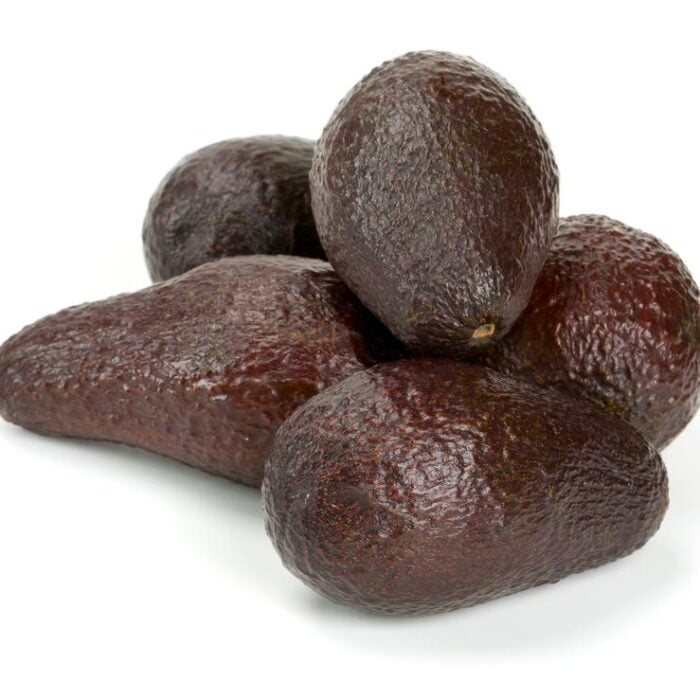
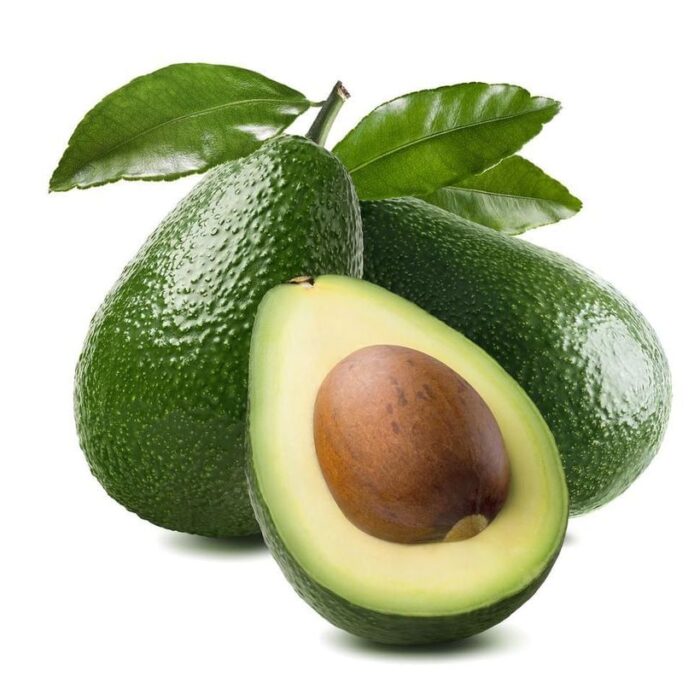
The fruit is similar in size and shape to a Bacon avocado — roughly 4 to 10 ounces — with a flavor profile reminiscent of Hass: rich, nutty, and well-suited to the standard avocado uses from fresh slicing through guacamole and salads. Little Cado is precocious, with grafted trees often beginning to bear within one to two years of planting, which is unusually fast for an avocado. The dwarf size also keeps the harvest at a manageable working height, so the fruit can actually be picked rather than left high in a tree.
Little Cado is an A-type flower but is notably self-fertile in practice — many growers get reliable crops from a single tree without a B-type pollinator, though planting a B-type avocado such as Fuerte or Sharwil nearby can improve fruit set in cooler climates. The cultivar’s Mexican × Guatemalan parentage gives it moderate cold tolerance for an avocado, suiting it to USDA Zone 9–11; like all avocados, it must be protected from hard frost, with container culture and winter protection extending the useful range further into colder zones.
Overview
- True-dwarf avocado; chance seedling raised in Encinitas, California (1930s, introduced 1948).
- Matures at roughly 8–10 ft with a slightly weeping habit.
- One of the most practical avocados for container culture.
- Bacon-sized 4–10 oz fruit with Hass-like flavor.
- A-type flower, notably self-fertile in practice.
- Precocious — often bears within 1–2 years on a grafted tree.
Growing Details
Latin Name: Persea americana ‘Wurtz’ (Little Cado)
Site and Soil: Full sun; well-drained soil or coarse, well-drained potting mix for containers
Hardiness: USDA Zone 9–11; frost-sensitive — must be protected from hard freezes
Rootstock: Grafted onto avocado rootstock
Bearing Age: 1–2 years after planting
Size at Maturity: Approximately 8–10 ft tall with a slightly weeping habit; true dwarf for an avocado
Bloom Time: Late winter into spring
Ripening Time: Varies with climate; typically late winter into spring for Mexican × Guatemalan hybrid cultivars
Flower Type: A-type; notably self-fertile in practice
Pollination: Self-fertile in practice; a B-type avocado nearby can improve fruit set in cooler climates
Pests & Diseases: Avocado is comparatively low-pressure for pests outdoors in suitable climates; indoor or greenhouse plants can develop mites, scale, or root rot from overwatering
Additional Notes
- Grower’s Insight: Little Cado’s true-dwarf habit is the cultivar’s standout practical trait — it is one of the few avocados that genuinely works in a large container, on a patio, in a greenhouse, or in a small garden, which opens avocado growing to climates and spaces where a full-size tree would not be realistic.
- Regional Insight: Avocado performs in the ground in USDA Zone 9–11 — coastal and inland California, the lower Southwest, the Gulf Coast, and Florida — and Little Cado’s true-dwarf habit extends its range further through container culture, with growers in cooler regions moving plants into a sunroom, greenhouse, or sheltered position for winter.
- Explore more avocado in our collection: Avocado