
Description
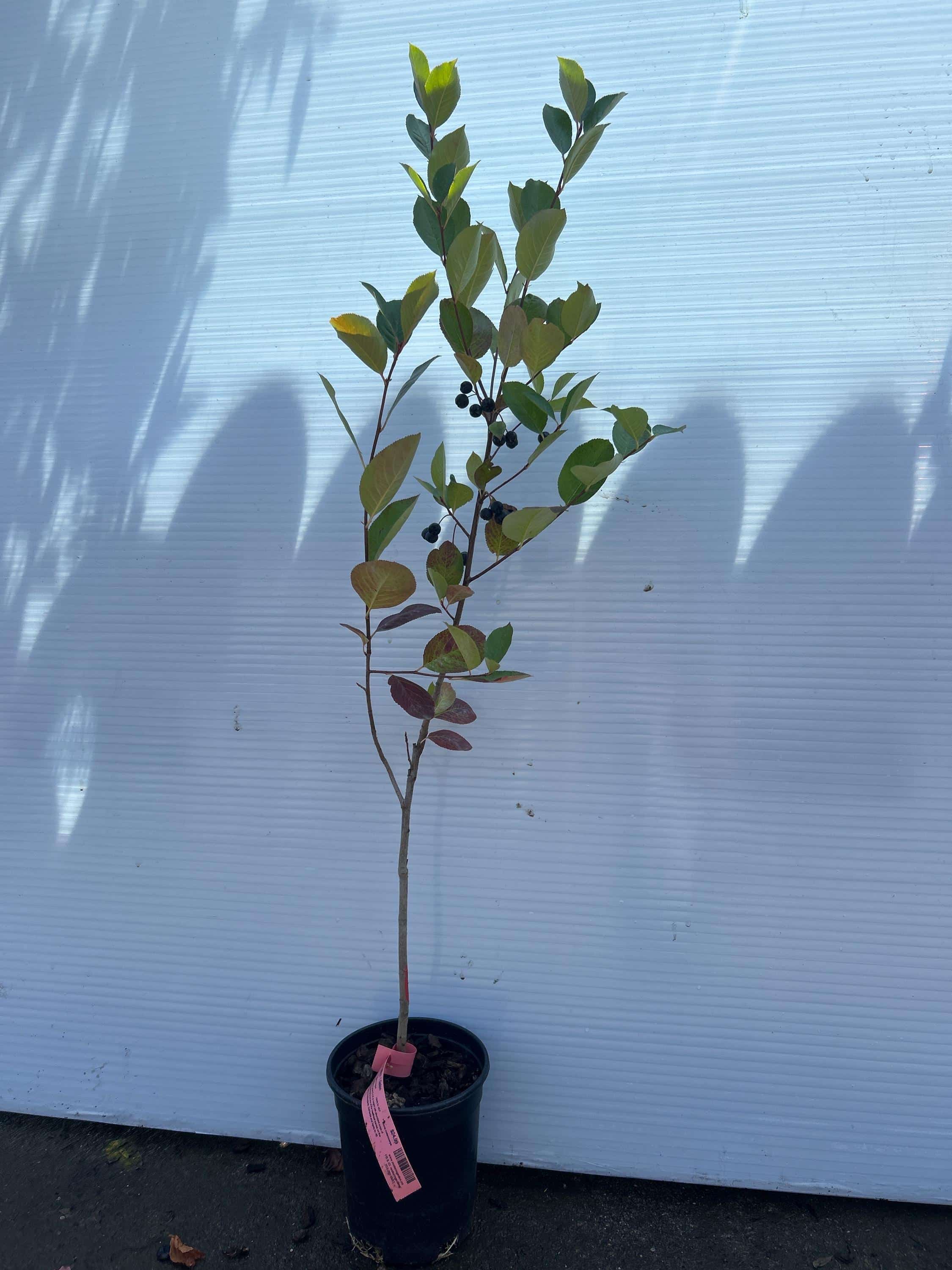
Aronia earns its place on reliability rather than on fresh eating. The fruit is high in tannin and genuinely astringent off the bush, which is what the name chokeberry is telling you, and it changes character completely once it is pressed for juice or cooked into jam. Plan for a processing crop and you will be happy with it.
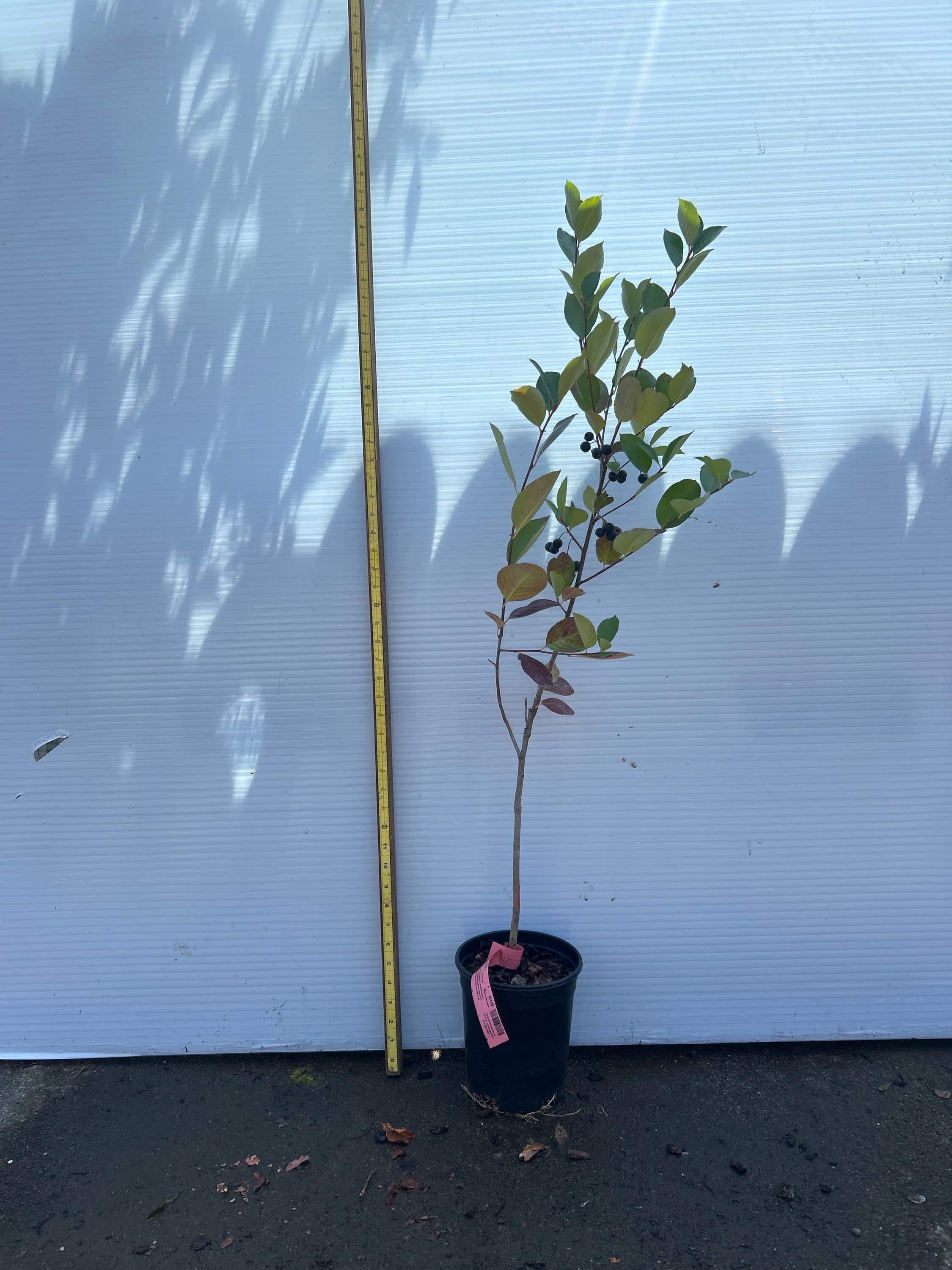
Nero is the compact one. It is reported at 3 to 6 ft with a dense, spreading habit against Viking’s upright 6 to 8 ft, and that is the practical difference between the two, because no source distinguishes their flavour. Iowa State notes that aronia can be pruned down to around 3 ft or left to reach nearly 8 ft tall and wide, so the size you end up with is partly the plant and partly you.
The agronomy is what makes it worth planting. It is hardy to Zone 3, self-fruitful, tolerant of both heavy and sharply drained soils, and it flowers and begins producing by its second year with full production around years four to five. The one soil condition it will not accept is a low-lying spot where water stands. Harvest runs from late August through mid-September with a four to six week window, which is unusually forgiving for a shrub crop.
Overview
- Compact form, reported 3 to 6 ft, against Viking’s upright 6 to 8 ft.
- USDA Zone 3.
- Self-fruitful; no pollination partner required.
- Begins producing by year two, full production around years four to five.
- Ripens late August through mid-September with a four to six week harvest window.
- Extremely astringent fresh; mellows considerably as juice or jam.
- Wide soil tolerance, but not ground where the roots stay wet.
- Genetic work indicates the commercial clones are x Sorbaronia mitschurinii rather than the pure North American native species.
Growing Details
Latin Name: Sold as Aronia melanocarpa ‘Nero’; genetic work indicates the commercial clones are x Sorbaronia mitschurinii
Site and Soil: Full sun for best cropping; slightly acidic soil with 2 to 3 percent organic matter; wide tolerance but not permanently wet ground
Hardiness: USDA Zone 3
Size at Maturity: Reported 3 to 6 ft; aronia left unpruned can reach nearly 8 ft tall and wide
Pollination: Self-fruitful
Ripening Time: Late August through mid-September, over four to six weeks
Bearing Age: Begins by year two; full production around years four to five
Use: Astringent fresh; juice, jam and baking
Support: None needed
Additional Notes
- Grower’s Insight: Taste one off the bush once so you know what you are dealing with, then plan the whole crop for the juicer or the jam pan, where the astringency turns into depth.
- Regional Insight: Commercial aronia in the United States is concentrated in Iowa, Nebraska, South Dakota, Wisconsin and Missouri, and Zone 3 hardiness plus a tolerance for difficult soil is why it moved from ornamental to crop across the northern tier so quickly.