Arctic Kiwi (Red Beauty)

$29.99

Red Beauty Arctic Kiwi stands out among Arctic kiwi varieties for its attractive reddish blush coloration and sweet aromatic fruit. The vine ripens earlier than many kiwi berry species and performs especially well in colder climates where season length and winter hardiness matter.

  • Arctic kiwi species selected for reddish blush coloration
  • Sweet, aromatic fruit with floral kiwi notes
  • Earlier ripening than many standard kiwi berries
  • Extremely cold-hardy kiwi species
  • Female vine; requires a male Arctic kiwi within 20–30 feet
Add to Wishlist
Add to Wishlist
SKU: Arctic Kiwi (Red Beauty) Categories: ,

Description

Red Beauty Arctic Kiwi stands out among Arctic kiwi varieties for its attractive reddish blush coloration and sweet aromatic fruit. The vine ripens earlier than many kiwi berry species and performs especially well in colder climates where season length and winter hardiness matter.

Unlike standard hardy kiwi (Actinidia arguta), Arctic kiwi (Actinidia kolomikta) is valued for exceptional cold tolerance, earlier ripening, and more manageable growth. These traits make Red Beauty especially appealing in northern climates where larger kiwi berry species may struggle to reliably finish fruit before fall weather arrives.

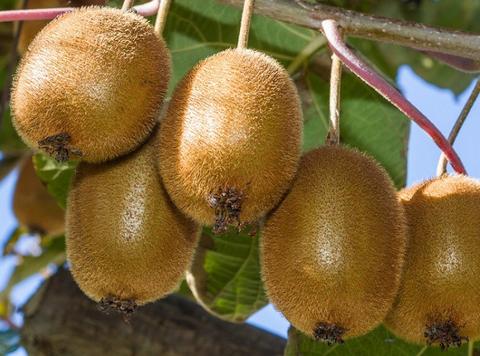
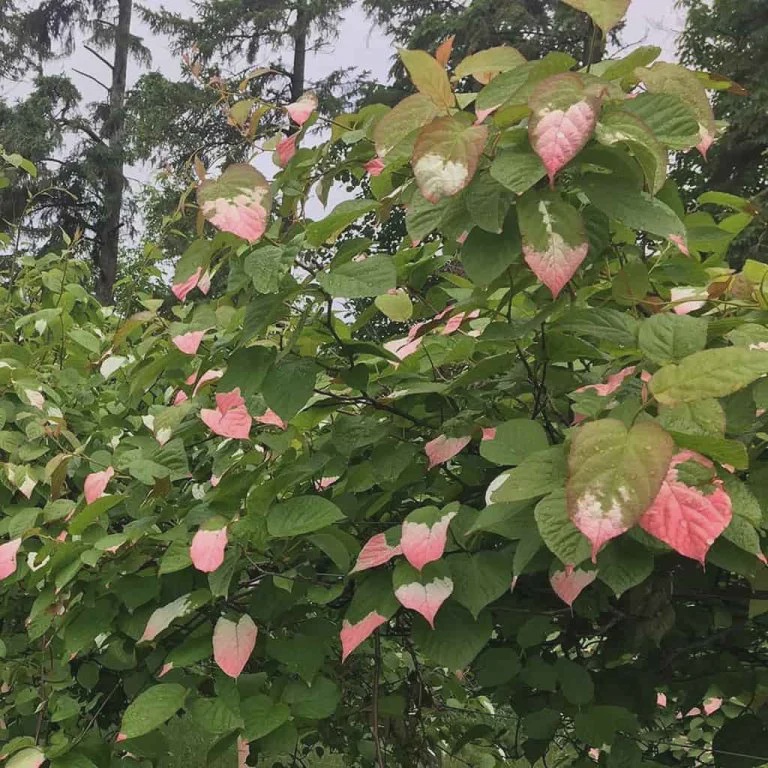
The fruit is smaller than standard kiwi berries but develops a sweet, aromatic flavor with softer floral kiwi notes rather than the heavier tropical profile common in larger kiwi species. As the fruit ripens, the skin may develop attractive reddish blush tones that give the variety its name.

Arctic kiwis are smooth-skinned and edible whole, similar to kiwi berries, but differ in both seasonality and character. Red Beauty is particularly well suited to growers looking for a cold-climate kiwi option that combines reliable ripening with refined fruit quality.

Overview

  • Species: Arctic kiwi (Actinidia kolomikta)
  • Fruit type: Small smooth-skinned kiwi fruit with edible skin
  • Flavor: Sweet, aromatic, and lightly floral
  • Color: Green fruit with reddish blush tones as it ripens
  • Growth habit: More restrained and manageable than standard hardy kiwi
  • Ripening window: Early season; earlier than many standard kiwi berry species
  • Primary advantage: Exceptional cold hardiness and short-season reliability
  • Pollination: Female; requires a compatible male Arctic kiwi vine

Growing Details

Latin Name: Actinidia kolomikta ‘Red Beauty’
Site and Soil: 1/2 day to full day of sun; well-drained soil
Hardiness: USDA Zones 3–8
Rootstock: Own-root (propagated from cuttings)
Bearing Age: Typically 3–4 years after planting once vines are established and properly trained
Size at Maturity: Climbing vine with more restrained growth than standard hardy kiwi; manageable with seasonal pruning
Bloom Time: Early season (varies by region)
Ripening Time: Early season; typically ripens ahead of many standard kiwi berry varieties
Fruit Size: Small to medium compared to standard kiwi berries
Pollination: Female; requires a compatible male Arctic kiwi (Actinidia kolomikta) vine planted within 20–30 feet for fruiting.
Pests & Diseases: Generally low disease pressure with good airflow and proper pruning
Yield: Moderate to strong production once established

Additional Notes

  • Grower’s Insight: Arctic kiwi species often succeed in climates where larger kiwi berry species struggle with winter damage or late ripening.
  • Regional Insight: Earlier maturity makes Red Beauty especially attractive for northern growers and shorter-season regions.
  • Flavor Note: Arctic kiwi fruit tends to be more aromatic and floral than standard hardy kiwi varieties.
  • Explore more kiwi and Arctic kiwi vines in our collection: Kiwi & Hardy Kiwi Vines
Planting & Care

At a Glance – Red Beauty Arctic Kiwi

  • Sun: 1/2 day to full day of sun
  • Soil: Well-drained soil; avoid prolonged saturation
  • Water: Moderate; consistent during establishment
  • Size: Climbing vine with more restrained growth than standard hardy kiwi
  • Support: Requires a trellis, arbor, or pergola
  • Pollination: Female; requires a male Arctic kiwi within 20–30 feet
  • Harvest: Early season
  • Hardiness: USDA Zones 3–8

Planting & Care

Site Selection

  • Choose a site with good light exposure and protection from extreme wind.
  • Full sun supports strongest fruit quality, though Arctic kiwi tolerates partial shade better than many kiwi species.
  • Install permanent support before vines mature.

Soil Preparation

  • Arctic kiwi prefers well-drained soil with moderate organic matter.
  • Avoid compacted or poorly drained planting sites.
  • Light compost amendment can improve establishment if needed.

Planting Instructions

  • Dig a hole twice as wide as the root system.
  • Plant at the same depth as the container-grown vine.
  • Backfill with native soil and water thoroughly.
  • Mulch 2–3 inches deep to stabilize moisture (keep mulch off the stem).

Watering & Fertilizing

  • Water consistently during the first 1–2 years.
  • Once established, Arctic kiwi is generally moderate in water needs.
  • Apply compost or a balanced fertilizer in spring if growth is weak.

Support & Training

  • Train a single trunk upward during establishment.
  • Develop one or two permanent cordons along the support system.
  • Maintain an open canopy for airflow and fruit ripening.

Pruning & Training

  • Arctic kiwi is generally less aggressive than standard hardy kiwi.
  • Prune to maintain structure, airflow, and manageable growth.
  • Moderate winter pruning is typically sufficient.
  • Summer pruning can help manage excess growth if needed.

Pollination

  • Red Beauty is a female Arctic kiwi and is not self-fertile.
  • Plant a compatible male Arctic kiwi (Actinidia kolomikta) within 20–30 feet.
  • Matching species improves bloom overlap and fruit set reliability.

Harvest & Use

  • Harvest when fruit softens slightly and develops full flavor.
  • Earlier ripening helps fruit finish reliably in shorter growing seasons.
  • Fruit is best enjoyed fresh once fully ripe.

General Tips

  • Arctic kiwi is one of the best kiwi species for very cold climates.
  • Earlier ripening improves reliability in northern regions.
  • Balanced pruning helps maintain both productivity and manageable growth.