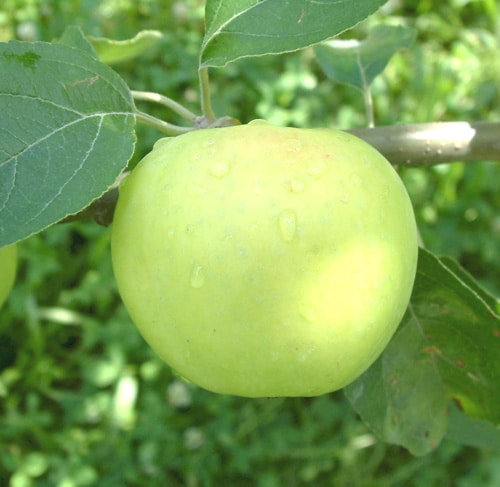
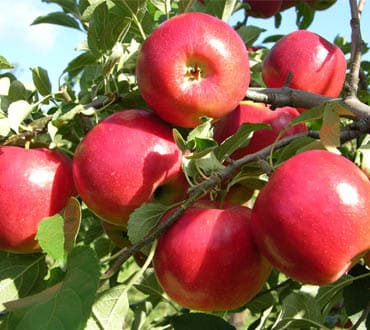
Apple Tree (Honeycrisp)

Price range: $34.99 through $89.99

Honeycrisp is the apple that made “crisp” a category—explosively crunchy, intensely juicy, and perfectly balanced between sweetness and bright acidity.

  • Iconic fresh-eating apple with legendary crunch
  • Sweet-tart flavor with exceptionally juicy bite
  • Excellent for slicing, snacking, salads, and baking
  • Mid-season bloom with a dependable fall harvest
  • Requires a pollination partner for fruit set
Add to Wishlist
Add to Wishlist
SKU: Apple Tree (Honeycrisp) Categories: , Tag:

Description

Honeycrisp is the apple that redefined what a modern dessert apple could be. It’s famous for its unmistakable crackling crunch, big juice, and clean, sweet-tart flavor that stays refreshing instead of sugary. If you want a fresh-eating apple that feels special the moment you bite into it, Honeycrisp earns its reputation.

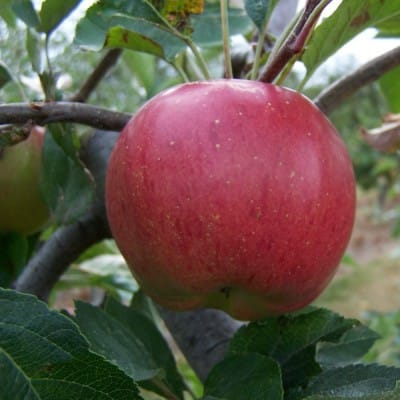
The fruit is typically medium to large with a bright, attractive finish and creamy-white flesh. Honeycrisp excels when eaten crisp right off the tree, but it also shines in the kitchen—holding texture in salads, baking into a balanced sweet-tart apple flavor, and slicing beautifully for snacks and lunches.

Honeycrisp blooms mid-season and needs a compatible apple variety nearby to pollinate. With good light, consistent watering, and routine pruning, it becomes a reliable producer and a true centerpiece tree for any home orchard.

Overview

  • Premium fresh-eating apple known for explosive crunch and juiciness
  • Sweet-tart flavor that’s bright, clean, and refreshing
  • Great for snacking, slicing, salads, and baking
  • Mid-season bloom; fall harvest
  • Requires a pollination partner planted within 20–30 feet

Growing Details

Latin Name: Malus domestica ’Honeycrisp’
Site and Soil: 1/2 day to full day of sun; well-drained soil
Hardiness: USDA Zone 4–7
Rootstock: M-106
Bearing Age: 1–3 years
Size at Maturity: Typically 12–15 ft tall and wide on semi-dwarf; easily maintained with pruning
Bloom Time: Mid-season (mid flowering group)
Ripening Time: Mid to late season; fall harvest (timing varies by region)
Pollination: Not self-fertile; requires a compatible apple variety planted within 20–30 feet
Pests & Diseases: Typical apple pest and disease pressures; best managed with airflow, sanitation, and routine orchard care
Yield: Heavy and reliable once established

Additional Notes

  • Grower’s Insight: Honeycrisp’s signature crunch comes from uniquely large, crisp cells—consistent watering helps maintain texture and reduces internal stress that can lead to quality issues.
  • Regional Insight: Honeycrisp is at its best in regions with true winter chill and moderate summer heat—especially the Upper Midwest, Northeast, and the Pacific Northwest—where it colors well and stays intensely crisp.
  • Thin fruit in heavy-set years to improve size, flavor, and overall eating quality.
  • For best harvest timing, pick when background color shifts and seeds are dark—Honeycrisp is meant to be eaten crisp, not soft-ripened.
  • Explore more apples in our collection: Apple Trees
Planting & Care

At a Glance – Honeycrisp Apple

  • Sun: 1/2 day to full day of sun
  • Soil: Well-drained soil; avoid prolonged saturation
  • Water: Moderate; consistent moisture during establishment
  • Size: Semi-dwarf; easily maintained with pruning
  • Pollination: Requires a compatible apple partner
  • Harvest: Fall (timing varies by region)
  • Hardiness: USDA Zone 4–7

Planting & Care – Honeycrisp Apple

Site Selection

  • Choose a site with at least 1/2 day of sun; full sun supports best fruit quality and color.
  • Good airflow helps reduce disease pressure and supports consistent production.
  • Avoid low areas where cold air settles and late frosts linger.

Soil Preparation

  • Apples perform best in deep, well-drained soil.
  • If your soil holds water, improve drainage or plant on a slight mound/berm.
  • Incorporate compost if needed, but avoid heavy nitrogen at planting.
  • Ideal soil pH is between 6.0 and 7.0.

Planting Instructions

  • Dig a hole twice the width of the root system.
  • Plant with the root flare at or just above soil level.
  • Backfill with native soil and water thoroughly.
  • Mulch 2–3″ deep, keeping mulch several inches away from the trunk.

Watering & Fertilizing

  • During the first 1–2 years, keep soil consistently moist but not saturated.
  • Deep water 1–2 times per week during dry weather; increase during heat spells or windy conditions.
  • Once established (year 3+), deep watering every 7–14 days during dry periods is typically sufficient.
  • Apply a light, balanced fertilizer in early spring if growth is weak; avoid pushing excessive vegetative growth.
  • Consistency matters—steady moisture helps fruit size and eating quality.

Pollination

  • Honeycrisp is not self-fertile.
  • Plant a compatible apple variety within 20–30 feet for reliable fruit set.
  • Most mid-season blooming apples are good partners.

Pruning & Training

  • Train to a central leader or modified central leader for strong structure.
  • Prune in late winter to remove crossing limbs, open the canopy, and keep height manageable.
  • Summer pruning can help control vigor and improve light penetration for better fruit quality.

Fruit Thinning

  • Thin fruit after natural drop to improve size and reduce limb stress.
  • Thinning also helps the tree focus energy and supports better flavor development.

Harvest & Use

  • Harvest when fruit is fully sized and background color shifts from green toward yellow.
  • Honeycrisp is meant to be eaten crisp and firm—enjoy right away for peak texture.
  • Excellent for fresh eating, slicing, salads, and baking.

General Tips

  • Support heavy crops with good pruning and thinning.
  • Keep mulch pulled back from the trunk to prevent rot and pest issues.
  • Routine care and airflow are the foundation of long-term productivity.