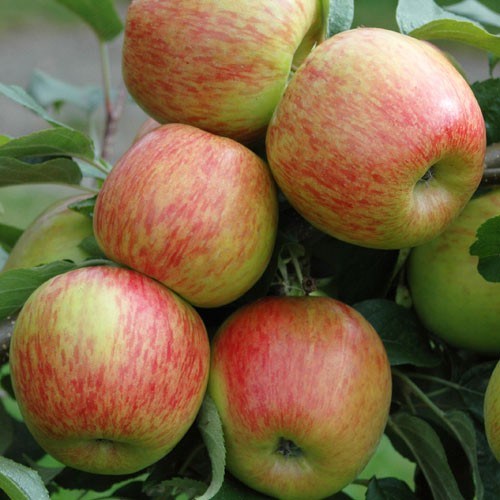
Apple Tree (Amere De Berthcourt)

$29.99

Amère de Berthcourt is a classic French cider apple grown for what dessert apples can’t provide—tannin, structure, and a deep, bittersweet backbone that turns simple juice into serious cider.

  • Traditional French cider apple (bittersweet / tannin-forward)
  • High-tannin fruit for body, grip, and complexity in fermentation
  • Not a fresh-eating apple—best for pressing and blending
  • Mid- to late-season ripening (typically October)
  • Requires a pollination partner for fruit set
Add to Wishlist
Add to Wishlist
SKU: N/A Categories: , Tag:

Description

Amère de Berthcourt is a heritage French cider apple valued for its tannin-rich, bittersweet character. In cider, tannin is what creates structure—adding depth, balance, and that satisfying “grip” that makes a finished cider feel complete instead of thin.

The fruit is typically small to medium with greenish-yellow skin that may carry a blush. While the flesh can taste sweet at first bite, the tannins quickly take over, making it a poor choice for fresh eating and an excellent choice for pressing.

Amère de Berthcourt is most often used as a blending apple—bringing body and bitter complexity to sweeter, higher-acid, or more aromatic varieties. If you’re building a home cidery or planting with fermentation in mind, this is the kind of variety that makes the finished product taste intentional.

Overview

  • Traditional French cider apple with tannin-forward, bittersweet character
  • Grown for fermentation—adds structure, body, and bitter complexity
  • Not intended for fresh eating due to astringency
  • Mid- to late-season ripening (typically October)
  • Requires a compatible apple pollination partner planted within 20–30 feet

Growing Details

Latin Name: Malus domestica ‘Amère de Berthcourt’
Site and Soil: 1/2 day to full day of sun; well-drained soil
Chill Requirement: Approximately 900 hours (best estimate)
Hardiness: USDA Zone 4–8
Rootstock: M-7 (semi-dwarf)
Bearing Age: 1–3 years
Size at Maturity: Typically maintained at 12–16 ft tall and wide with pruning
Bloom Time: Mid-season
Ripening Time: Mid- to late-season; typically October (varies by region)
Pollination: Not self-fertile; requires a compatible apple variety planted within 20–30 feet
Pests & Diseases: Standard apple pest and disease considerations; good airflow and routine care are important
Yield: Reliable producer once established

Additional Notes

  • Grower’s Insight: Tannin-forward cider apples like Amère de Berthcourt act like the “structure” in a blend—adding grip, body, and aging potential that dessert apples can’t provide on their own.
  • Regional Insight: Performs best in cool-temperate apple regions with reliable winter chill and a true fall ripening season—especially areas like the Pacific Northwest and other northern apple belts where cider varieties develop layered flavor.
  • Plan this variety as part of a cider planting: it shines most when blended with sharper or sweeter cider apples.
  • For best cider quality, harvest at full maturity—tannin and sugar balance matter more than fresh-eating appeal.
  • Explore more apples in our collection: Apple Trees
Planting & Care

At a Glance – Amère de Berthcourt Cider Apple

  • Sun: 1/2 day to full day of sun
  • Soil: Well-drained soil; avoid prolonged saturation
  • Water: Moderate; consistent moisture during establishment
  • Size: Semi-dwarf; easily maintained with pruning
  • Pollination: Requires a compatible apple partner
  • Harvest: Mid- to late-season (often October)
  • Hardiness: USDA Zone 4–8

Planting & Care – Amère de Berthcourt Cider Apple

Site Selection

  • Choose a site with at least 1/2 day of sun; full sun supports best bloom, fruit maturity, and cider-quality sugars.
  • Good airflow helps reduce disease pressure and improves overall tree health.
  • Avoid low areas where cold air settles and excess moisture lingers.

Soil Preparation

  • Apples perform best in deep, well-drained soil.
  • If drainage is marginal, plant on a slight mound or berm to keep roots out of standing water.
  • Incorporate compost if needed, but avoid heavy nitrogen at planting.
  • Ideal soil pH is between 6.0 and 7.0.

Planting Instructions

  • Dig a hole twice the width of the root system.
  • Plant with the root flare at or just above soil level.
  • Backfill with native soil and water thoroughly.
  • Mulch 2–3″ deep, keeping mulch several inches away from the trunk.

Watering & Fertilizing

  • Keep soil evenly moist during the first 1–2 years, especially through summer heat.
  • Deep water 1–2 times per week during dry weather; increase during heat spells or windy conditions.
  • Once established, deep watering every 7–14 days during dry periods is typically sufficient.
  • Apply a light, balanced fertilizer in early spring if growth appears weak; avoid pushing excessive vegetative growth.

Pollination

  • Amère de Berthcourt is not self-fertile.
  • Plant a compatible apple variety within 20–30 feet for reliable fruit set.
  • Most mid-season blooming apples can serve as pollination partners.

Pruning & Training

  • Train to a central leader or modified central leader for strong structure.
  • Prune in late winter to remove crossing branches, improve light penetration, and maintain manageable height.
  • Good structure supports consistent yields and makes harvest easier for pressing.

Harvest & Use

  • Harvest when fully mature for best fermentation balance.
  • This is a cider apple—expect bitterness/astringency when eaten fresh.
  • Press for juice and blend with other cider apples to build complexity and structure.

General Tips

  • Keep the orchard floor clean and maintain airflow to reduce disease pressure in wet-spring climates.
  • Thin fruit in heavy-set years to improve size and support consistent maturity.
  • Consistent early care sets the foundation for long-term productivity.