Apple Tree (Akane)

Price range: $39.99 through $59.99

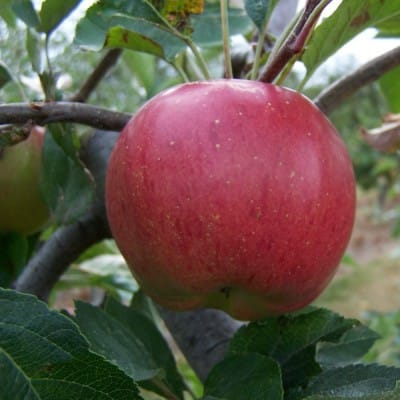
Akane is an early-season Japanese apple prized for its bright sweet-tart flavor, crisp bite, and refreshing juiciness—an excellent way to start the apple harvest.

  • Early-season dessert apple with lively sweet-tart flavor
  • Crisp, juicy flesh meant to be eaten fresh
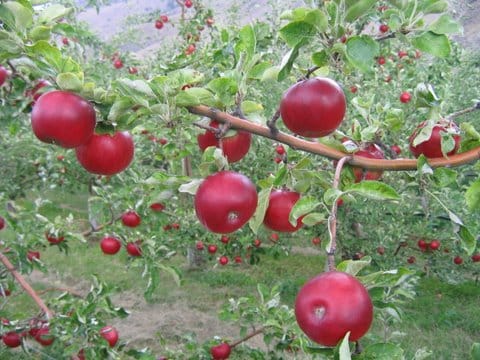
  • Attractive bright red fruit, often lunchbox-sized
  • Reliable producer with an extended early harvest window
  • Requires a pollination partner for fruit set
Add to Wishlist
Add to Wishlist
SKU: N/A Categories: , Tag:

Description

Akane is a Japanese apple variety valued for its bright flavor and early ripening window. Bred from Jonathan and Worcester Pearmain, it combines refreshing acidity with balanced sweetness and a clean, crisp texture that makes it especially enjoyable right off the tree.

The fruit is typically small to medium in size with smooth, vivid red skin and juicy white flesh. Akane is meant to be eaten firm and crisp rather than soft-ripened, delivering a lively bite that stands out among early apples, which are often mild or bland by comparison.

One of Akane’s most practical strengths is its ability to hang well on the tree for an early-season apple, allowing harvest to stretch over multiple pickings instead of dropping all at once. This makes it a rewarding choice for home orchards looking to ease into apple season with dependable, flavorful fruit.

Overview

  • Early-season Japanese dessert apple with bright flavor
  • Sweet-tart balance and crisp, juicy texture
  • Small to medium red fruit, great for fresh eating
  • Hangs well on the tree for a longer early harvest window
  • Requires a compatible apple pollination partner

Growing Details

Latin Name: Malus domestica ‘Akane’
Site and Soil: 1/2 day to full day of sun; well-drained soil
Chill Requirement: Approximately 800 hours
Hardiness: USDA Zone 4–9
Rootstock: M-106 (semi-dwarf)
Bearing Age: 1–3 years
Size at Maturity: Typically maintained at 12–16 ft tall and wide with pruning
Bloom Time: Mid-season
Ripening Time: Early season; typically late August to early September (varies by region)
Pollination: Not self-fertile; requires a compatible apple variety planted within 20–30 feet
Pests & Diseases: Standard apple pest and disease considerations; good airflow and routine care are important
Yield: Reliable producer once established

Additional Notes

  • Grower’s Insight: Akane’s ability to hang on the tree instead of dropping allows growers to harvest gradually—an uncommon and useful trait for an early apple.
  • Regional Insight: Performs well across a wide range of climates, including the Pacific Northwest, where cool nights help preserve acidity and flavor in early-season fruit.
  • Best enjoyed fresh due to its crisp texture and bright flavor.
  • Thin fruit in heavy-set years to improve size and maintain consistent quality.
  • Explore more apples in our collection: Apple Trees
Planting & Care

At a Glance – Akane Apple

  • Sun: 1/2 day to full day of sun
  • Soil: Well-drained soil; avoid prolonged saturation
  • Water: Moderate; consistent moisture during establishment
  • Size: Semi-dwarf; easily maintained with pruning
  • Pollination: Requires a compatible apple partner
  • Harvest: Early season (late summer)
  • Hardiness: USDA Zone 4–9

Planting & Care – Akane Apple

Site Selection

  • Choose a site with at least 1/2 day of sun; full sun improves flavor and color.
  • Good airflow helps maintain healthy growth and consistent production.
  • Avoid low areas where cold air or excess moisture collects.

Soil Preparation

  • Apples grow best in deep, well-drained soil.
  • If drainage is poor, amend or plant on a slight mound.
  • Incorporate compost if needed, but avoid heavy fertilization at planting.
  • Ideal soil pH is between 6.0 and 7.0.

Planting Instructions

  • Dig a hole twice the width of the root system.
  • Plant with the root flare at or just above soil level.
  • Backfill with native soil and water thoroughly.
  • Mulch 2–3″ deep, keeping mulch several inches away from the trunk.

Watering & Fertilizing

  • Keep soil evenly moist during the first 1–2 years.
  • Deep water 1–2 times per week during dry weather.
  • Once established, deep watering every 7–14 days is typically sufficient.
  • Apply a light, balanced fertilizer in early spring if growth appears weak.

Pollination

  • Akane is not self-fertile.
  • Plant a compatible apple variety within 20–30 feet for reliable fruit set.
  • Most mid-season blooming apples make good pollination partners.

Pruning & Training

  • Train to a central leader or modified central leader.
  • Prune in late winter to remove crossing branches and maintain structure.
  • Summer pruning can help manage vigor and improve light penetration.

Harvest & Use

  • Harvest when fruit is fully colored and crisp.
  • Akane is meant to be eaten firm and fresh, not soft-ripened.
  • Enjoy immediately for best flavor and texture.

General Tips

  • Thin fruit in heavy-set years to improve size and reduce limb stress.
  • Annual mulching helps conserve moisture and suppress weeds.
  • Consistent early care sets the foundation for long-term productivity.