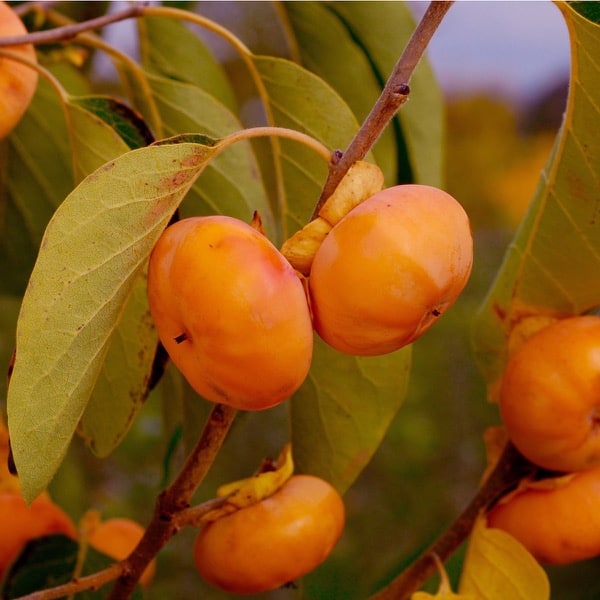
American Persimmon Tree (Prairie Star®)

$39.99

Prairie Star is a cold-hardy American persimmon valued for its reliable fruiting, strong adaptability, and rich, sweet flavor once fully ripe.

  • Cold-hardy American persimmon suited to challenging climates.
  • Produces sweet, flavorful fruit when fully soft.
  • Dependable producer in regions with shorter growing seasons.
  • Classic American persimmon flavor and texture.
  • Self-fertile; heavier crops possible with another American persimmon planted within 20‚Äì30 ft.
Add to Wishlist
Add to Wishlist
SKU: American Persimmon Tree (Prairie Star®) Categories: , , Tag:

Description

Prairie Star is an American persimmon selected for its resilience and dependable performance in regions where consistency matters. It is especially valued by growers who want a tree that fruits reliably year after year without requiring ideal conditions.

Like all American persimmons, Prairie Star fruit is astringent until fully ripe. Once softened, the fruit develops a deep sweetness and smooth, custard-like texture. Prairie Star ripens dependably and is well suited to growers who want traditional American persimmon flavor without unnecessary complexity.

Overview

  • Cold-hardy American persimmon with reliable production.
  • Sweet, richly flavored fruit when fully ripe.
  • Well adapted to prairie, Midwest, and variable climates.
  • Excellent for fresh eating (fully ripe), baking, and pulp use.
  • Self-fertile; yields improve with a pollination partner.

Growing Details

Latin Name: Diospyros virginiana ‘Prairie Star’
Site and Soil: 1/2 day to full day of sun; well-drained soil
Rootstock: Grafted onto American persimmon rootstock
Hardiness: USDA Zones 4–9
Bearing Age: 1–3 years
Size at Maturity: Typically 20 ft tall and wide (maintained smaller with pruning)
Bloom Time: Late spring
Ripening Time: Mid-fall (typically October)
Pollination Requirements: Self-fertile; best yields with another American persimmon planted within 20–30 ft
Pests & Diseases: Generally low-pressure; very resilient once established

Additional Notes

  • Grower’s Insight: Prairie Star was selected for growers who need consistency and resilience rather than maximum size or novelty.
  • Regional Insight: Prairie Star performs especially well across the Midwest, Plains, and other regions with cold winters and variable seasons.
  • Allow fruit to become fully soft before eating to eliminate astringency.
  • Excellent for persimmon pulp, baking, freezing, and traditional recipes.
  • Explore more American persimmons in our collection: American Persimmons
Planting & Care

At a Glance – Prairie Star American Persimmon

  • Sun: 1/2 day to full day
  • Soil: Well-drained soil
  • Water: Regular watering during establishment
  • Tree Size: Medium-large (maintainable with pruning)
  • Pollination: Self-fertile; improved with a second tree nearby
  • Harvest: Mid-fall
  • Hardiness: Cold-hardy (Zones 4–9)

Planting & Care – Prairie Star American Persimmon

Site Selection

  • Choose a sunny location to support reliable ripening.
  • Good airflow promotes healthy growth and fruit quality.

Soil Preparation

  • Plant in well-drained soil; avoid prolonged saturation.
  • Persimmons tolerate a range of soils if drainage is adequate.

Planting Instructions

  1. Plant so the root flare sits at or slightly above finished soil level.
  2. Water thoroughly after planting.
  3. Mulch lightly, keeping mulch away from the trunk.

Watering & Fertilizing

  • Water consistently during the first growing season.
  • Once established, water deeply during extended dry periods.
  • Avoid excessive nitrogen.

Pruning

  • Minimal pruning needed beyond structure and clearance.
  • Light thinning improves light penetration and airflow.

Harvest & Use

  • Harvest when fruit is fully colored and beginning to soften.
  • Allow fruit to soften completely for best sweetness.
  • Use fresh or scoop pulp for baking and freezing.

General Tips

  • Prairie Star is a strong choice for growers prioritizing reliability.
  • Adding another American persimmon nearby can improve yields.