
Description
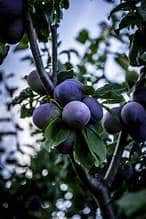
This 4-in-1 Combination European Plum tree gives you four of six exceptional plum varieties—Stanley, Yellow Egg, Brooks, Italian, Seneca, and Green Gage—on one compact, semi-dwarf tree. With overlapping bloom and staggered ripening, you’ll enjoy a long season of richly flavored, versatile European plums perfect for fresh eating, drying, canning, and baking.
Overview
- Four European plum varieties on one tree — selected for flavor, productivity, and compatibility.
- Extended harvest window — late August into October, depending on climate.
- Semi-dwarf habit — easier to prune, net, and manage in home orchards.
- Self-fruitful — but cross-pollination between grafts boosts yields significantly.
- Excellent for fresh eating, drying, canning, and baking — diverse flavors and textures.
Varieties Included
Each tree will include four of the following six varieties. Exact combination varies by year.
- Stanley — classic European prune plum; sweet, rich flavor; excellent for drying and fresh eating.
- Yellow Egg — large yellow plum; sweet, firm, excellent for canning and cooking.
- Brooks — juicy, richly flavored blue plum; great for fresh eating and baking.
- Italian — famous for drying into prunes; sweet, dense flesh; outstanding for fresh eating or preserves.
- Seneca — large, high-quality late plum with exceptional flavor; reliable producer.
- Green Gage — intensely sweet, old-world dessert plum; superb fresh or for jam.
Care & Growing Tips
- Plant in well-drained soil with 1/2 day to full day of sun.
- Water deeply during the first 2–3 years to establish strong roots.
- Prune annually to maintain balance between all grafted limbs.
- European plums generally bloom later than Japanese plums—excellent for avoiding spring frost damage.
- Thin fruit to improve size, sweetness, and prevent limb breakage.
Growing Details
Latin Name: Prunus domestica
Site and Soil: Well-drained soil; 1/2 day to full day of sun
Hardiness (Temp): -20°F
Bearing Age: 3–5 years after planting
Rootstock: Krymsk 1 — Semi-dwarf
Size at Maturity: 10–14 ft
Bloom Time: Mid-spring
Ripening Time: Late August to October (varies by climate and region)
Yield: Heavy cropping
Pests and Diseases: Generally dependable; monitor for aphids, plum moth, canker, and brown rot
USDA Zone: 5–9
Additional Notes
- Graft vigor varies by variety—annual pruning keeps the tree balanced.
- Green Gage and Italian are typically the sweetest; Yellow Egg is ideal for canning.
- Ripening sequence can shift slightly depending on heat units and local climate.


Reviews
There are no reviews yet.