White Pakistan Mulberry

Price range: $29.99 through $129.99

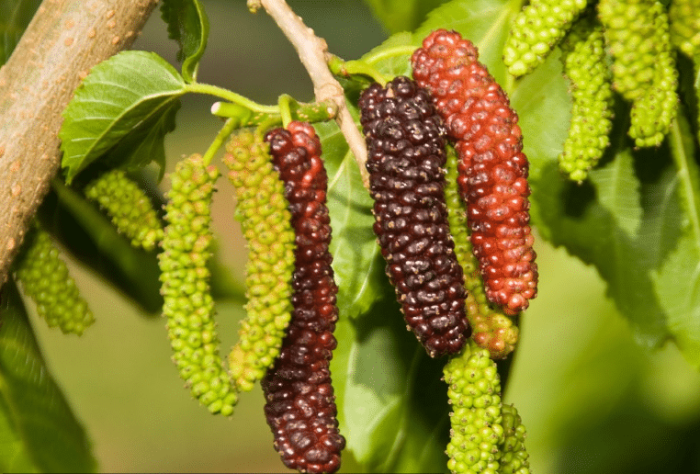
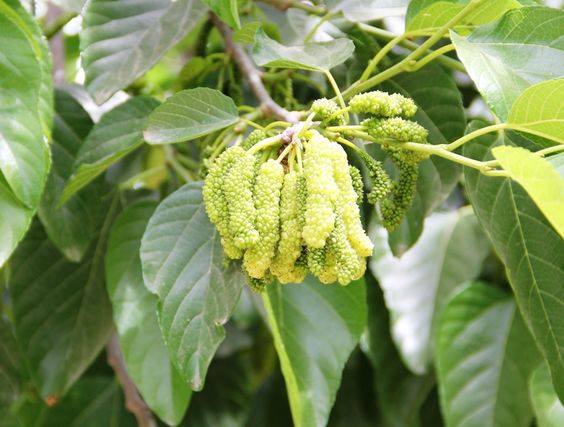
White Pakistan mulberry offers the same impressive long-fruited experience as classic Pakistan mulberries, but with pale, honey-sweet fruit that ripens without staining and is especially pleasant for fresh eating.

  • Long, slender white to pale-cream mulberries
  • Very sweet, low-acid flavor
  • Minimal staining compared to dark mulberries
  • Heavy-bearing once established
  • Excellent for fresh eating straight off the tree
Add to Wishlist
Add to Wishlist
SKU: White Pakistan Mulberry Category: Tag:

Description

White Pakistan mulberry is a pale-fruited selection within the long-fruited Pakistan mulberry group, prized for its impressive fruit size and exceptionally sweet flavor. While closely related to standard dark-fruited Pakistan mulberries, this selection offers a lighter-colored harvest with a slightly different eating experience.

The fruit is long and slender, ripening to a creamy white or pale yellow tone. At full maturity, berries are soft, juicy, and very sweet, with little acidity and none of the heavy staining associated with darker mulberries—making them especially enjoyable for fresh eating near paths, patios, or family spaces.

Like other Pakistan-type mulberries, the tree is vigorous and productive once established. It handles summer heat well and rewards growers with generous harvests in early summer, making it a standout option for those who want exceptional mulberry fruit with a cleaner harvest experience.

Overview

  • White-fruited selection of Pakistan mulberry
  • Produces long, slender, sweet berries
  • Low-acid flavor ideal for fresh eating
  • Less staining than dark-fruited mulberries
  • Heavy producer once established

Growing Details

Latin Name: Morus macroura ’White Pakistan’
Site and Soil: 1/2 day to full day of sun; adaptable to most well-drained soils
Hardiness: USDA Zone 7–10
Rootstock: Russian mulberry (Morus alba tatarica)
Bearing Age: 1–3 years
Size at Maturity: Typically 15–25 ft tall and wide without pruning
Flowering: Spring; inconspicuous catkins (not showy)
Ripening Time: Early summer; timing varies by climate
Pollination: Self-fertile
Pests & Diseases: Generally low-maintenance with few serious issues
Yield: Heavy producer once mature

Additional Notes

  • Grower’s Insight: White-fruited mulberries are often chosen not for higher yields, but for the cleaner harvest and honeyed sweetness that makes them easy to enjoy right off the tree.
  • Regional Insight: Performs best in warm-summer regions, but also grows well in milder coastal and inland climates where summer heat supports full sweetness.
  • Harvest fruit fully ripe for best sweetness and texture.
  • Fruit is delicate and best eaten fresh or processed soon after harvest.
  • Explore more mulberries in our collection: Mulberry Trees

Planting & Care

At a Glance – White Pakistan Mulberry

  • Sun: 1/2 day to full day of sun
  • Soil: Adaptable; prefers well-drained soil
  • Water: Moderate; drought tolerant once established
  • Size: Large tree unless managed with pruning
  • Pollination: Self-fertile
  • Harvest: Early summer; timing varies by climate
  • Hardiness: USDA Zone 7–10

Planting & Care – White Pakistan Mulberry

Site Selection

  • Select a sunny site to support fruit size and sweetness.
  • Full sun is ideal, though partial sun is tolerated.
  • Allow space for growth or plan for regular pruning.

Soil Preparation

  • Adaptable to many soil types with adequate drainage.
  • Avoid consistently waterlogged sites.
  • Ideal soil pH ranges from 6.0 to 7.5.

Planting Instructions

  • Dig a hole twice as wide as the root system.
  • Set the root flare at or just above soil level.
  • Backfill with native soil and water thoroughly.
  • Mulch lightly, keeping mulch away from the trunk.

Watering & Fertilizing

  • Water regularly during establishment.
  • Once established, deep but infrequent watering is sufficient.
  • Mulberries generally require minimal fertilization.

Pruning & Size Management

  • Prune during dormancy to manage size and shape.
  • Annual pruning helps maintain productivity.
  • Remove crossing or damaged branches as needed.

Harvest & Use

  • Harvest when fruit is fully pale and soft.
  • Fruit does not store long and should be enjoyed promptly.
  • Excellent for fresh eating; also suitable for drying.

General Tips

  • Birds are attracted to ripe mulberries; netting may help.
  • Expect increasing yields as the tree matures.
  • An easy-care fruit tree with exceptional rewards.