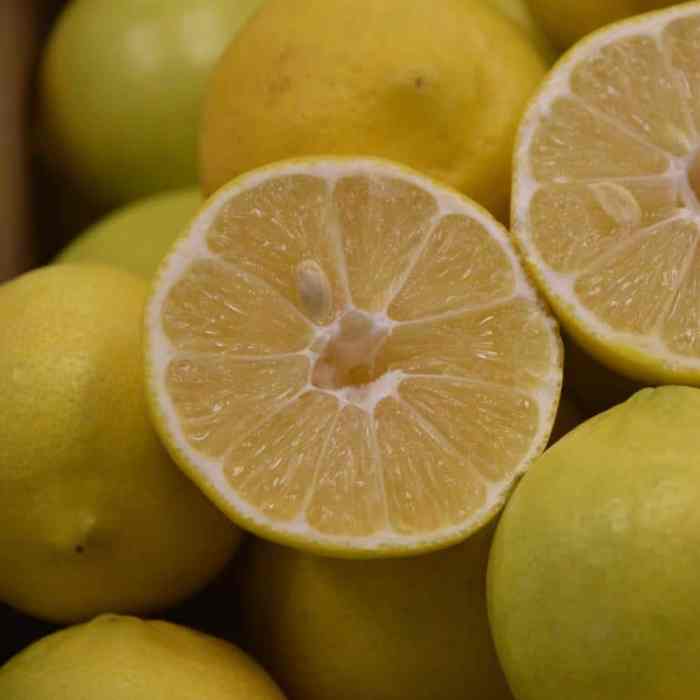
Description
Sudachi (Citrus sudachi) is a Japanese acid citrus grown specifically for its juice and zest, not for sweet fresh eating. Traditionally, it’s harvested while still green and used as a finishing citrus—more like lime or yuzu in the kitchen than a dessert fruit.
What makes Sudachi special is how clean and aromatic it is. A squeeze over grilled fish, noodles, or broth brings sharp acidity with a fresh, green lift, and the rind carries a bright fragrance that shows up even in small amounts. It’s the kind of citrus that doesn’t take over—it sharpens the edges and makes flavors feel clearer.
As a tree, Sudachi stays compact and is a natural fit for container growing, patios, and protected plantings. It’s considered relatively cold-tolerant for a culinary citrus, but like all citrus it benefits from protection in freezing weather—especially when young or grown in a pot.
Overview
- Primary use: Juice + zest for savory dishes, sauces, drinks, and finishing
- Flavor profile: Very tart, aromatic, clean “green citrus” character
- Harvest timing: Typically late summer into fall; commonly used while still green
- Great fit for: Containers, patios, and protected citrus growing in cooler regions
Growing Details
Botanical Name: Citrus sudachi
Site and Soil: 3/4 day to full day of sun
Pollination: Self-fertile
Hardiness: Cold-tolerant for citrus; protect in freezes (especially young/container trees)
Chill Requirement: Low (evergreen citrus; container culture allows overwintering where winters are colder)
Ripening Time: Late summer into fall; commonly harvested/used green for peak aroma and acidity
Size at Maturity:
• On dwarfing rootstock (Flying Dragon, 1-gallon): typically very compact
• On semi-dwarf rootstock (C-35, larger sizes): compact to medium citrus tree
Note: Final size is strongly influenced by container size and pruning.
Rootstock: Flying Dragon (1 gallon); C-35 (2+ gallons)
Bearing Age: Often fruits immediately; grafted trees may produce in their first season
Additional Notes
- Grower’s Insight: Sudachi is strongly associated with Tokushima Prefecture in Japan and is traditionally harvested green; it will color toward yellow-orange if left longer, but the classic culinary use is that bright green stage.
- Regional Insight: In the Pacific Northwest and other cool-winter regions, Sudachi is best treated as a premium patio citrus—grow it in a container, feed it well, and protect it through cold snaps for reliable performance.
- Kitchen note: If you’ve never used Sudachi, start where you’d use lime—then notice the more floral, aromatic rind character that comes through especially well in fresh zest.