Seaberry (Sea Buckthorn) Sirola

$29.99

Sirola is a sweeter, low-thorn Siberian–German seaberry (sea buckthorn) known for its aromatic flavor, early ripening, and compact size—excellent for home growers and fresh use.

  • Siberian × German hybrid with bright, sweet-tart berries
  • Compact, easy-to-manage shrub with fewer thorns
  • Ripens early—August harvest
  • Extremely cold-hardy and tolerant of poor soils
  • Requires a male seaberry for pollination
Add to Wishlist
Add to Wishlist
SKU: N/A Categories: , , Tag:

Description

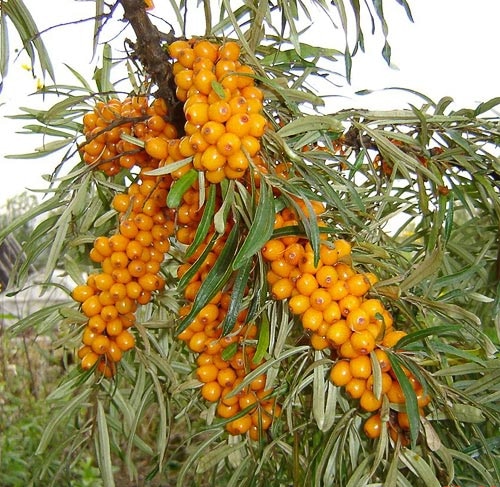
Sirola is a highly productive female seaberry (sea buckthorn), also known as sea berry. Bred from a cross of Siberian and German parent lines, Sirola was selected for improved berry sweetness, reduced thorniness, and easier harvesting. It produces medium to large, bright reddish-orange berries with a notably sweeter, more aromatic flavor than most seaberry cultivars—making it one of the best choices for home growers who want fruit that tastes good straight off the bush.

Compared to vigorous German workhorses like Orange Energy® and Frugana, Sirola grows more compactly and is easier to manage in smaller gardens. Its fruit detaches more easily from the stems, reducing the difficulty of hand-picking and making it friendlier for fresh use or small-batch processing. A very cold-hardy variety, Sirola performs exceptionally well in northern and inland climates while remaining tough enough for poor soils, coastal wind, and drought conditions.

Overview

  • Siberian × German hybrid selected for sweetness and improved fruit quality.
  • Compact growth habit — smaller and easier to manage than many German cultivars.
  • Sweeter, aromatic berries ideal for fresh eating, juicing, and preserves.
  • Reduced thorniness and fruit that detaches more easily for simpler harvesting.
  • Extremely cold-hardy and tolerant of low-fertility soils.

Growing Details

Latin Name: Hippophae rhamnoides ‘Sirola’
Site and Soil: Well-drained soil; best production in full sun
Hardiness (Temp): To approximately -40°F
Bearing Age: 2-3 years after planting
Rootstock: Own roots (propagated from cuttings)
Pollination: Female variety; needs a male seaberry (sea buckthorn) nearby
Size at Maturity: Typically 6–8 ft tall and wide; naturally more compact than other cultivars
Bloom Time: Early spring
Ripening Time: Early to mid-August (earlier than most German varieties)
Yield: Very high; mature plants can produce 20–30 lbs under good conditions
Pests and Diseases: Excellent natural resistance; very low-maintenance
USDA Zone: 3–8

Additional Notes

  • Origin: Hybrid of Siberian and German lines — combining extreme cold-hardiness with superior fruit flavor.
  • Flavor profile: Sweeter and more aromatic than tart, juice-focused varieties like Frugana or Orange Energy®.
  • Thorns: Noticeably fewer thorns than standard seaberries; safer and easier for home picking.
  • Best use: Fresh eating, smoothies, preserves, and small-batch juice.
  • Like all seaberries, Sirola requires well-drained soil and does not tolerate soggy, waterlogged sites.
  • Also known as seaberry, sea berry, or sea buckthorn.
  • Explore more seaberries (sea buckthorn) in our collection: Seaberry Varieties
Planting and Care

At a Glance – Sirola Seaberry

  • Sun: Full sun (minimum 1/2 day)
  • Soil: Well-drained; tolerates sandy/rocky soils
  • Water: Low once established
  • Growth: Compact shrub, 6–8 ft
  • Hardiness: USDA Zone 3–8
  • Pollination: Female — requires male seaberry
  • Harvest: Early to mid-August

Planting & Care – Sirola Seaberry (Sea Buckthorn)

Site Selection

  • Full sun is ideal for best flowering and fruiting (minimum 1/2 day).
  • Plant in well-drained soil; seaberries tolerate sandy, rocky, and low-fertility soils but do not like standing water.
  • Sirola is extremely cold-hardy and handles wind and exposed locations well.

Soil Preparation

  • Loosen soil 18–24″ wide and 12–18″ deep to encourage root establishment.
  • Add a moderate amount of compost if soil is compacted, but avoid heavy water-holding amendments.
  • As a nitrogen-fixing shrub, Sirola usually requires little to no fertilizer.

Planting Instructions

  1. Dig a hole 2–3× wider than the root ball.
  2. Set the plant at the same depth it grew in the pot.
  3. Backfill with native soil, pressing gently to remove air pockets.
  4. Water deeply to settle roots.
  5. Apply a 2–3″ mulch layer, keeping mulch away from the stem.

Watering & Fertility

  • Keep soil evenly moist the first season to help establishment.
  • Once established, seaberries require minimal supplemental watering.
  • Avoid high-nitrogen fertilizers; they promote leafy growth instead of fruiting.

Pollination

  • Sirola is a female variety and requires a male seaberry for pollination.
  • Plant one male for every 6–8 female plants within 50–75 ft.
  • Any compatible male seaberry (often labeled “Pollmix”) works well.

Pruning & Training

  • Sirola naturally grows as a compact 6–8 ft shrub, easy to maintain.
  • Develop 4–6 main branches during early years.
  • Remove old or unproductive wood in late winter to promote new growth.
  • Sirola has reduced thorniness, making pruning and harvesting easier.

Harvesting

  • Ripens in early to mid-August.
  • Berries turn bright reddish-orange and soften slightly when ready.
  • Fruit detaches more easily than in many varieties, making hand picking practical.
  • For large crops, use the branch-freeze–shake method to harvest efficiently.

General Tips

  • Ensure good drainage—raised beds help if your soil is heavy.
  • No winter protection is needed once plants are established.
  • Berries shine in smoothies, juices, syrups, teas, and preserves.

Reviews

There are no reviews yet.

Be the first to review “Seaberry (Sea Buckthorn) Sirola”

Your email address will not be published. Required fields are marked *