Description
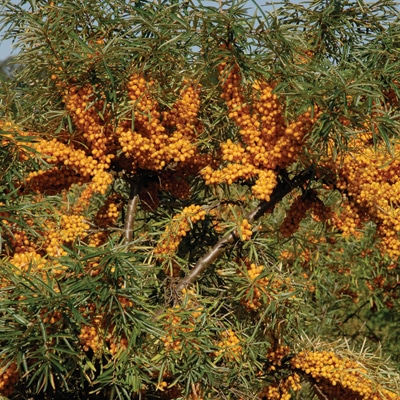
Frugana is a vigorous, heavy-bearing female seaberry (sea buckthorn), also known as sea berry. Developed in Germany, Frugana is one of the classic commercial cultivars selected for high yields, strong plant vigor, and reliable performance across both coastal and continental climates. Its berries are large, bright orange, and rich in vitamin C, antioxidants, and omega oils—ideal for juicing, preserves, and nutrient-dense products.
This is a full-sized, upright German-type seaberry with strong growth and exceptional productivity. Frugana’s berries are more tart and intensely flavored than sweeter varieties like Sirola, making it a preferred choice for juice extraction and processing. The shrub tolerates wind, drought, poor soils, and exposed sites, but—like all seaberries (sea buckthorn)—requires well-drained soil and a male pollinator for full production.
Overview
- German-bred seaberry selected for commercial yields and strong vigor.
- Large orange berries with bold tart flavor perfect for juicing and processing.
- Very vigorous, upright growth — one of the larger female cultivars.
- Extremely cold-hardy and tolerant of wind, drought, and poor soils.
- Requires a male seaberry pollinator for fruit set.
Growing Details
Latin Name: Hippophae rhamnoides ’Frugana’
Site and Soil: Well-drained soil; thrives in full sun
Hardiness (Temp): To approximately -40°F
Bearing Age: 3–4 years after planting
Rootstock: Own roots (propagated from cuttings)
Pollination: Female variety; needs a male seaberry (sea buckthorn) nearby
Size at Maturity: 10–12 ft tall and wide; naturally upright and vigorous
Bloom Time: Early spring
Ripening Time: Late August to September (early for a German type)
Yield: Exceptionally high — consistently heavy annual production
Pests and Diseases: Outstanding natural resistance; very low-maintenance
USDA Zone: 3–8
Additional Notes
- Origin: German breeding program focused on high-vigor, high-yielding commercial cultivars.
- Growth habit: Strong, upright, full-sized shrub; more vigorous than varieties like Sirola.
- Fruit profile: Tart, bold juice-type berry; ideal for syrups, fermentation, and nutritional products.
- Thorn level: Moderately thorny — typical of traditional German seaberries; best harvested via branch-cut-and-freeze method.
- Soil preferences: Very tolerant of poor, sandy, or rocky soils but dislikes waterlogged conditions.
- Also known as seaberry, sea berry, or sea buckthorn—all refer to the same plant.
- Explore more seaberries (sea buckthorn) in our collection: Seaberry Varieties