Seaberry (Sea Buckthorn) – Askola

$24.99

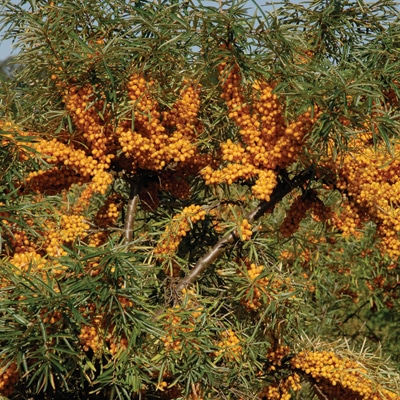
Askola is a German seaberry known for its extremely high vitamin C content, heavy yields, and vivid orange fruit. A top choice for juice, wellness blends, and commercial-style production.

  • Very high vitamin C levels
  • Heavy clusters of bright orange berries
  • Vigorous upright 8–10 ft shrub
  • Outstanding cold hardiness (Zone 3–8)
  • Excellent for juices, syrups, and wellness shots
Add to Wishlist
Add to Wishlist
SKU: Seaberry (Sea Buckthorn) – Askola Categories: , , Tag:

Description

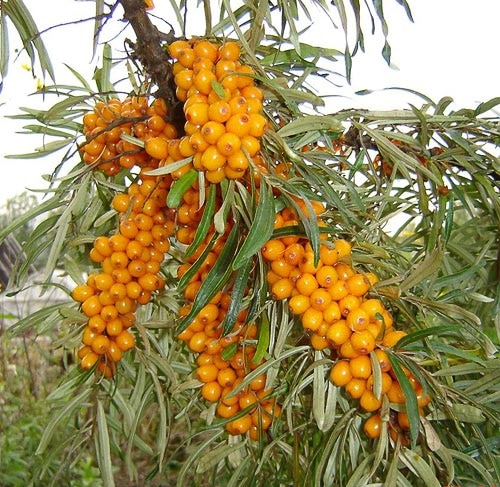
Askola is a highly productive German seaberry (sea buckthorn, sea berry) prized in commercial plantings for its extremely high vitamin C content, vivid orange fruit, and consistent yields. This variety produces long clusters of medium-sized berries with a strong, bright, citrus-forward flavor ideal for juice, syrups, wellness shots, and preserves.

A vigorous and upright grower, Askola forms an attractive shrub with silver-green foliage and heavily laden fruiting branches. Its reliability, hardiness, and large harvests make it a favorite in European orchards and a great choice for home growers wanting maximum production from a compact, cold-hardy shrub.

Overview

  • German female seaberry widely planted for commercial processing.
  • Extremely high vitamin C content — excellent for wellness blends.
  • Heavy yields of bright orange berries in long clusters.
  • Vigorous, upright habit suitable for hedges and orchard rows.
  • Requires a male seaberry for pollination.

Growing Details

Latin Name: Hippophae rhamnoides ’Askola’
Site and Soil: 1/2 day to full day of sun; thrives in well-drained, sandy, or low-nutrient soils
Hardiness (Temp): To about -40°F
Bearing Age: 2–3 years
Rootstock: Own roots (propagated from cuttings)
Size at Maturity: 8–10 ft tall with a strong upright habit
Bloom Time: Early to mid-spring
Ripening Time: Late August to early September
Yield: Very heavy; excellent for commercial-scale processing
Pests and Diseases: Naturally resilient and low-maintenance
USDA Zone: 3–8

Additional Notes

  • Origin: German breeding focused on high nutrient content and reliable yields.
  • Flavor: Strong, tart, bright citrus flavor ideal for juicing and wellness products.
  • Vitamin C: Among the highest of all seaberries — often used in supplements.
  • Uses: Juice, syrups, powders, teas, concentrates, wellness shots.
  • Plant with a compatible male seaberry to ensure pollination.
  • Explore more seaberries (sea buckthorn) in our collection: Seaberry Varieties
Planting & Care

At a Glance – Askola Seaberry

  • Sun: Full sun (minimum 1/2 day)
  • Soil: Well-drained; thrives in sandy or low-nutrient soils
  • Water: Low once established
  • Growth: Vigorous upright shrub, ~8–10 ft
  • Hardiness: USDA Zone 3–8
  • Pollination: Female — requires a male seaberry
  • Harvest: Late August to early September
  • Best Use: Juices, powders, wellness shots, preserves

Variety Notes – Askola

  • German origin bred for nutrient-rich fruit and high productivity.
  • Among the highest vitamin C levels of any seaberry variety.
  • Berries grow in dense, long clusters ideal for processing and juicing.
  • Strong, upright growth makes Askola well suited to hedge rows and orchard blocks.
  • Ideal for juice, syrups, powders, teas, and wellness blends due to its nutrient density.

Planting & Care – Seaberry (Sea Buckthorn)

Site Selection

  • Full sun ensures the highest yield and vitamin C content.
  • Seaberries thrive in sandy, rocky, or low-fertility soils.
  • Avoid soggy or poorly drained sites.

Soil Preparation

  • Loosen planting area 18–24″ wide and 12–18″ deep.
  • Add modest compost if needed; avoid heavy soil amendments.
  • As nitrogen-fixers, seaberries need minimal fertilization.

Planting Instructions

  1. Dig a hole 2–3× wider than the root ball.
  2. Set the plant at the same depth as in the container.
  3. Backfill with native soil and water deeply.
  4. Mulch 2–3″ thick, keeping mulch away from the stem.

Watering & Fertility

  • Keep evenly moist during the first season.
  • Mature plants are very drought-tolerant.
  • Avoid nitrogen-rich fertilizers.

Pollination Basics

  • Askola is a female seaberry and requires a male pollinator.
  • Use one male for every 6–8 females, ideally within 50–75 ft.

Pruning & Training

  • Develop 4–6 main stems during early growth.
  • Thin older stems over time to renew productive wood.
  • Prune in late winter or early spring.

Harvesting & Use

  • Ripens late August to early September.
  • Berries are medium-sized, vivid orange, and strongly aromatic.
  • High-yield clusters make Askola ideal for processing, juicing, and wellness products.
  • Use hand-picking or the freeze–shake method depending on crop size.

General Tips

  • Plant on a raised mound in heavy clay soils.
  • Mulch to retain moisture and suppress weeds.
  • Very cold hardy — thrives in northern climates.