Description
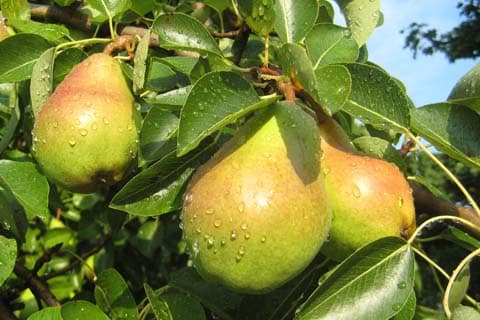
Aromatnaya Quince is one of the few quinces that people actually eat fresh. Known for its intense fragrance and noticeably milder astringency, this variety is valued not just for cooking and preserves, but for crisp raw slices when fully mature—something traditional quinces rarely offer.
The fruit ripens in mid to late fall, developing a pronounced aroma with tropical-leaning notes. In warmer growing seasons, or after a short period of post-harvest softening at room temperature, the flesh may become tender enough to be eaten thinly sliced. In cooler-summer regions, Aromatnaya is best approached as a culinary quince, where its fragrance and texture are fully expressed through cooking.
When cooked, Aromatnaya performs reliably across a range of uses, including poaching, baking, preserves, and quince paste. The flesh softens readily with heat, and the cultivar is valued for its productivity and consistency as a fall-ripening quince. The tree maintains a compact growth habit and fits well into home orchards and mixed fruit plantings.
Overview
- Fragrant quince cultivar with tropical-leaning aroma
- Known for softer texture at maturity compared to most quinces
- Occasional fresh use possible under warm conditions or after softening
- Reliable culinary quince for preserves and cooking
- Self-fertile and productive once established
Growing Details
Latin Name: Cydonia oblonga ’Aromatnaya’
Site and Soil: 1/2 day to full day of sun; well-drained soil
Chill Requirement: Approx. 300–400 hours
Hardiness: USDA Zone 5–9
Rootstock: Quince
Bearing Age: 1–3 years
Size at Maturity: Typically maintained at 10–15 ft tall and wide with pruning
Bloom Time: Mid-spring
Ripening Time: Mid to late fall; typically October (varies by region)
Pollination: Self-fertile; another quince nearby may improve yield
Pests & Diseases: Standard quince considerations; monitor for fire blight in susceptible regions
Yield: Productive and reliable once established
Additional Notes
- Grower’s Insight: Aromatnaya is one of the rare quinces known for softening enough to enjoy fresh when fully ripe. Thin slicing and patience are key to appreciating this trait.
- Regional Insight: In cooler-summer regions like the Pacific Northwest, Aromatnaya performs best as a highly aromatic culinary quince, with occasional fresh-eating potential in warm seasons.
- Allow fruit to fully yellow and become fragrant before harvesting.
- Post-harvest softening at room temperature can improve texture.