Description
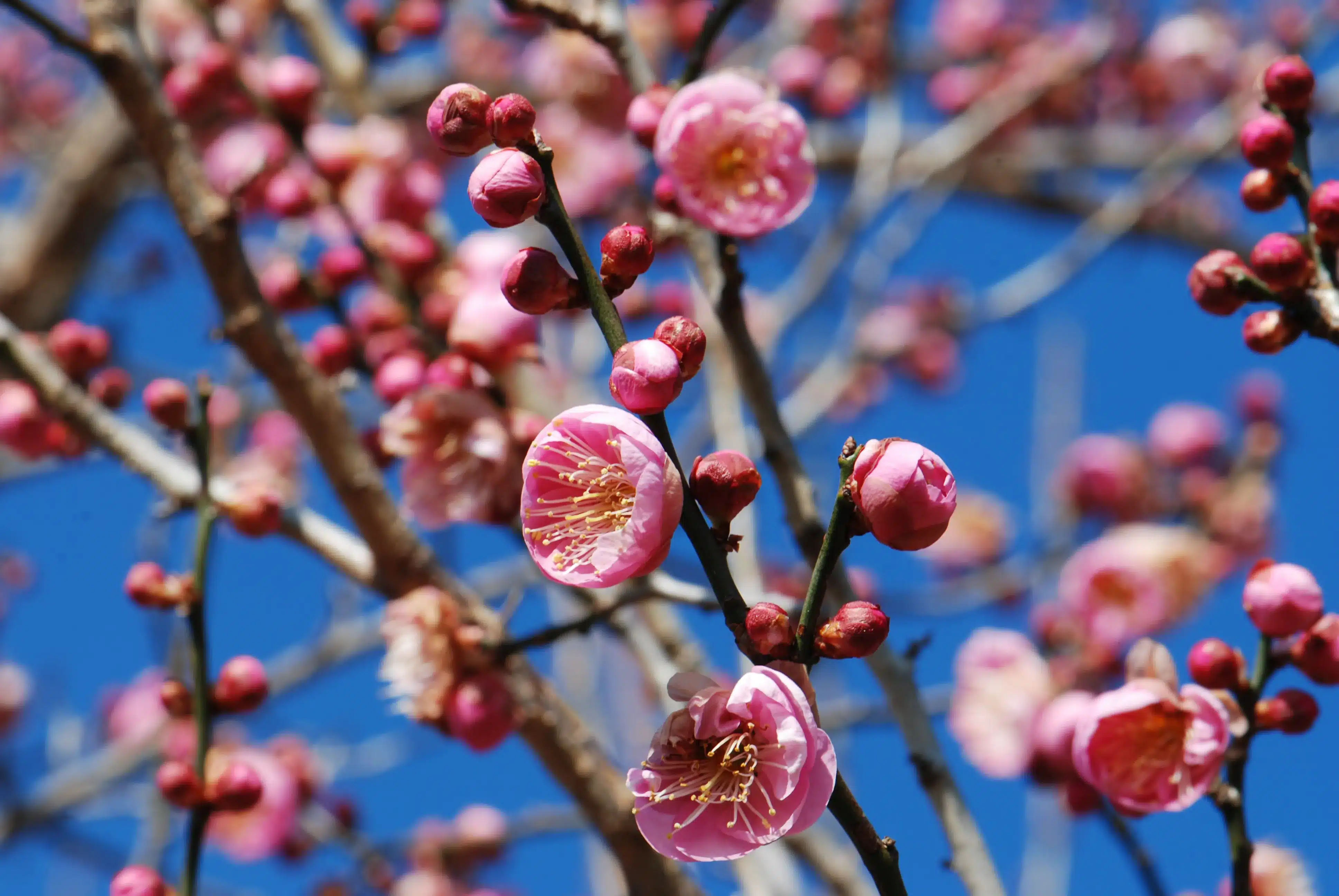
Japanese Double Pink is a flowering ume apricot (*Prunus mume*) known for its striking double-layered pink blossoms and its long-standing role in traditional Japanese gardens. The blooms appear in late winter to early spring, often before leaf-out, creating a dense and dramatic floral display when little else is in bloom.
In addition to its ornamental value, Japanese Double Pink reliably produces tart ume fruit once mature. These fruits are not meant for fresh eating, but are traditionally harvested for pickling, fermenting, and preserving. Common uses include umeboshi, ume syrup, and liqueurs such as umeshu. This combination of ornamental beauty and usable fruit makes it a meaningful dual-purpose tree for gardeners interested in cultural food traditions.
Overview
- Japanese ume apricot grown for double pink blossoms and traditional fruit use.
- Dense, showy flowers bloom on bare wood.
- Produces tart ume fruit for pickling and preserving.
- Strong ornamental presence with cultural significance.
- Well suited to home gardens and specialty orchards.
Growing Details
Latin Name: Prunus mume ’Japanese Double Pink’
Site and Soil: 1/2 day to full day of sun; well-drained soil essential
Rootstock: Myro 29C
Hardiness: USDA Zones 5–8
Bearing Age: 2–4 years (for ume fruit)
Size at Maturity: Typically 12–18 ft tall and wide (maintained smaller with pruning)
Bloom Time: Late winter to early spring
Ripening Time: Early to mid-summer
Pollination Requirements: Self-fertile; fruit set can improve with a second ume nearby
Pests & Diseases: Similar to other apricots; good airflow and drainage reduce issues
Additional Notes
- Grower’s Insight: Double-flowered ume like this one are especially prized for their extended bloom and visual impact while still producing usable fruit.
- Regional Insight: Japanese Double Pink performs well in the Pacific Northwest, Mid-Atlantic, and other regions with cool winters that support strong flowering and consistent fruit set.
- This tree reliably produces ume fruit when mature; the fruit is traditionally used for umeboshi, syrups, and liqueurs rather than fresh eating.
- Harvest ume fruit while firm and green for traditional processing.
- Explore more apricot varieties in our collection: Apricot Trees