Description
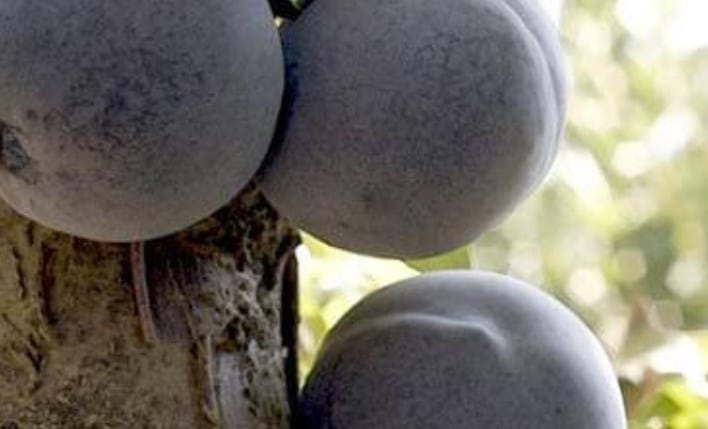
Laroda is grown for eating quality—large, dark-skinned fruit with juicy amber flesh and a rich, balanced flavor that stands out when fully ripe. Chosen for its combination of visual appeal and satisfying flavor, it delivers a dependable midsummer harvest without waiting for late-season plums.
Developed in California by Claron O. Hesse, Laroda was selected for a combination that’s immediately noticeable on the tree: generous fruit size, deep exterior color, and an interior that ripens to a juicy, freestone finish. When allowed proper hang-time, the flavor becomes rounded and complete rather than sharp.
Laroda fits comfortably into a home orchard sequence, ripening after early plums and around the same window as Santa Rosa. Its approachable flavor and freestone flesh make it especially easy to enjoy straight from the tree.
Overview
- Japanese plum selected for size, color, and eating quality
- Large fruit with dark skin and amber flesh
- Freestone at full ripeness
- Midseason ripening within Japanese plum types
- Pollination required for consistent yields
Growing Details
Latin Name: Prunus salicina ’Laroda’
Site and Soil: 1/2 day to full day of sun; well-drained soil
Chill Requirement: Approx. 300–400 hours
Hardiness: USDA Zone 5–9
Rootstock: Citation
Bearing Age: 1–3 years
Size at Maturity: Typically maintained at 10–14 ft tall and wide with pruning
Flowering Time: Mid flowering (within plum / pluot types)
Ripening Time: Midseason (within Japanese plum types); typically mid July depending on region
Pollination: Pollination required; plant a compatible Japanese plum within 20–30 feet
Pests & Diseases: Standard plum considerations; good airflow supports fruit finish
Yield: Moderate to good once established
Additional Notes
- Grower’s Insight: Laroda rewards patience. Allowing fruit to fully color and soften slightly on the tree brings out the balanced sweetness it’s known for.
- Regional Insight: Performs reliably across a wide range of temperate regions. In cooler summers, choose the sunniest site to ensure full flavor development.
- Freestone flesh makes this variety easy to enjoy fresh.
- Explore more plums in our collection: Plum Trees