Description
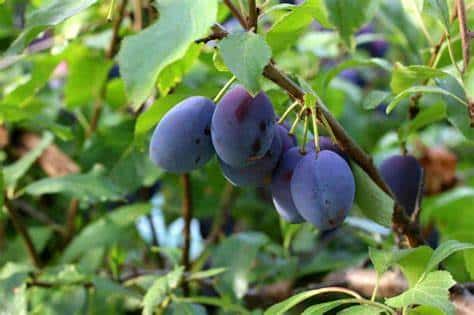
The defining trait of French Prune is not its flavor—it’s its chemistry. This cultivar accumulates sugar later than most plums, carries less free water in the flesh, and maintains structure as it dehydrates. Those traits are why it became the global reference standard for prune production—and why it behaves very differently from fresh-eating plums on the tree.
Known historically as Prune d’Agen, French Prune belongs to a class of European plums selected specifically for drying. When eaten fresh, the fruit is dense and mildly sweet at full ripeness, but its true value emerges after dehydration, when sugars concentrate and flavor deepens dramatically.
This late-ripening, late-flowering behavior makes French Prune a strategic orchard choice rather than an impulse fruit. It rewards growers who understand its role: patience through the season, followed by reliable harvest and outstanding processing performance.
Overview
- True European prune plum (Prunus domestica)
- Selected for drying, not early fresh eating
- High sugar concentration at full maturity
- Dense flesh that holds structure when dried
- Late flowering and self-fertile
Growing Details
Latin Name: Prunus domestica ’French Prune’
Site and Soil: 1/2 day to full day of sun; well-drained soil
Chill Requirement: Approx. 700–800 hours
Hardiness: USDA Zone 5–9
Rootstock: Marianna (managed size; tolerant of heavier soils)
Bearing Age: 1–3 years
Size at Maturity: Typically maintained at 12–15 ft tall and wide with pruning
Flowering Time: Late flowering (within plum types)
Ripening Time: Late season; typically late August into September depending on climate
Pollination: Self-fertile; no pollination partner required
Pests & Diseases: Standard European plum considerations; late harvest reduces early-season pressure
Yield: Heavy and consistent once established
Additional Notes
- Grower’s Insight: French Prune should not be judged early. Its sugar develops late, and fruit harvested too soon will seem flat—patience is what unlocks its true value.
- Regional Insight: Performs best in regions with warm, dry summers and a long ripening window. In cooler or cloudier climates, fruit may size well but fail to fully sweeten for drying.
- Fresh eating quality improves only at full maturity; most growers reserve this fruit for drying.
- Late flowering helps avoid spring frost damage compared to Japanese plums.