Description
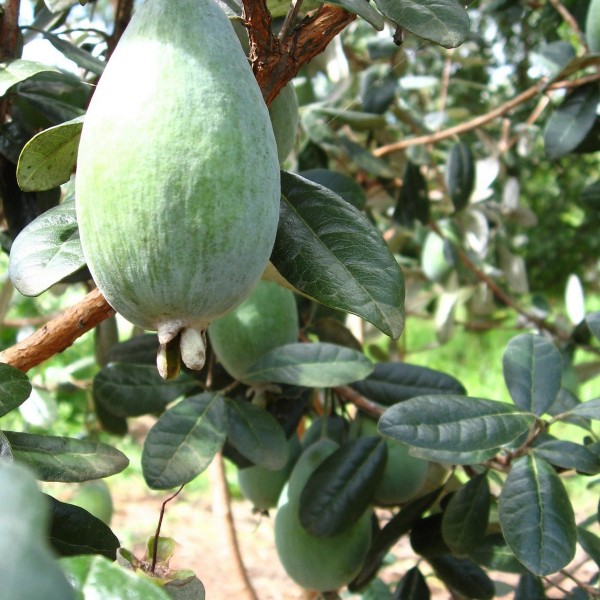
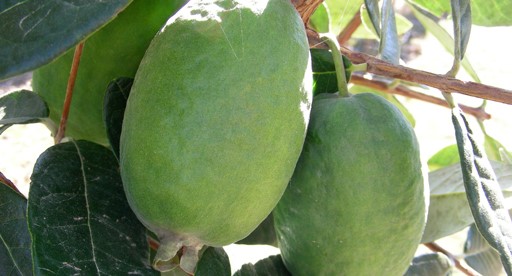
Kakariki is a modern New Zealand pineapple guava (feijoa) selected for very early ripening, large fruit, and a thin, edible skin. Its name comes from the MƒÅori word for “green,” reflecting both the fruit and foliage. Bred as part of New Zealand’s intensive feijoa improvement work, Kakariki is noted for sweet, flavorful flesh and dependable crops even in cooler coastal climates. Like other New Zealand introductions, Kakariki was chosen for home gardeners who want dessert-quality fruit without fuss. It produces kiwi-sized or larger fruit with a pleasant, aromatic flavor that’s excellent for fresh eating, smoothies, or preserves. The evergreen shrub also brings ornamental value with gray-green foliage and showy red-and-white flowers in late spring.
Overview
- Very early ripening — finishes sooner than many standard feijoa varieties.
- Large, sweet fruit with a thin, edible skin.
- Partially self-fertile, but heaviest crops with another feijoa nearby.
- Bred in New Zealand specifically for cooler coastal and mild climates.
- Evergreen and ornamental — useful as a hedge, screen, or specimen shrub.
Growing Details
Latin Name: Acca sellowiana ‘Kakariki’
Site and Soil: Well-drained soil; 1/2 day to full day of sun
Hardiness (Temp): 5°F
Bearing Age: 2–3 years after planting
Rootstock:
Size at Maturity: 8–12 ft
Bloom Time: Late spring
Ripening Time: Early to mid-October (varies by climate and season)
Yield: Heavy cropping, especially with a second variety
Pests and Diseases: Very resilient; typically few pest or disease problems
USDA Zone: 7–10
Additional Notes
- Kakariki has been noted for strong performance in cooler summer regions, including the Pacific Northwest.
- Cross-pollination (for example with Kaiteri or another feijoa) increases yield and fruit size.
- Collect fallen fruit daily during ripening to avoid bruising and enjoy peak flavor.
- Explore more Pineapple guava varieties in our collection: Pineapple Guavas