Pear Tree (Rescue)

Price range: $39.99 through $59.99

Large, sweet, mild-flavored pears on a compact, easy-care semi-dwarf tree. A reliable Pacific Northwest favorite. Requires a pollinator.

  • Very large, sweet fruit
  • Excellent for fresh eating and canning
  • Cool-climate friendly and reliable
  • Requires a pollinator
Add to Wishlist
Add to Wishlist
SKU: Pear Tree (Rescue) Categories: , Tag:

Description

Rescue is one of the Pacific Northwest’s most dependable and unique pears, known for its exceptionally large fruit, sweet mild flavor, and high productivity. Originally discovered in western Washington, this variety excels in cool-summer climates and is prized by home growers for its reliability and ease of care.

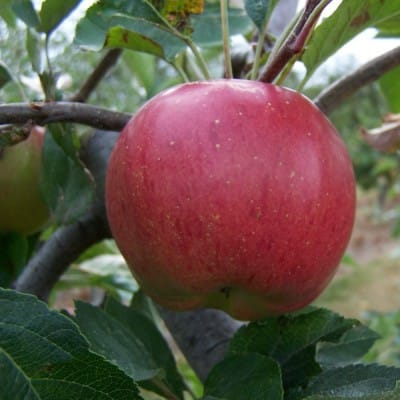
The fruit is very large—often larger than Bartlett—with a smooth yellow-green skin and occasional pink blush. The flavor is sweet, mild, and pleasantly fragrant, making Rescue excellent for fresh eating, baking, and canning. It is also known for producing consistent crops even in challenging bloom seasons.

Grafted onto a semi-dwarfing rootstock, Rescue develops into a compact, manageable 12–15 ft tree, perfect for backyards and small orchards. It is not self-fertile and requires another European pear for pollination, such as Bartlett, Orcas, or Anjou.

Overview

  • Large, sweet fruit—bigger than Bartlett.
  • Excellent for fresh eating, baking, and canning.
  • Highly reliable in cool-summer climates.
  • Semi-dwarf tree that stays compact and manageable.
  • Requires another European pear for pollination.

Growing Details

Latin Name: Pyrus communis ‘Rescue’
Site and Soil: 1/2 day to full day of sun; prefers well-drained soil
Rootstock: OHxF 97 (semi-dwarf)
Hardiness: USDA Zone 5–9
Bearing Age: 1–3 years
Size at Maturity: 12–15 ft — easy to manage
Bloom Time: Mid-season
Ripening Time: Late August to early September
Pollination: Requires another European pear
Pests & Diseases: Good vigor and reliability
Yield: Heavy cropping when mature

Additional Notes

  • Nerdy fact: Rescue was discovered as a chance seedling near Olympia, WA. It earned its name because the original tree was nearly cut down—but “rescued” when its superior fruit quality was recognized.
  • Reliable even in years with poor spring weather.
  • Great choice for Pacific Northwest growers.
  • Explore more pear varieties in our collection: Pear Trees
Planting & Care

At a Glance – Rescue Pear (Semi-Dwarf)

  • Sun: 1/2 day to full day of sun
  • Soil: Prefers well-drained soils
  • Water: Keep evenly moist during establishment
  • Rootstock: Semi-dwarfing
  • Size: 12–15 ft at maturity
  • Pollination: Requires a pollinator
  • Harvest: Late August–September
  • Hardiness: USDA Zone 5–9

Planting & Care – Rescue Pear

Site Selection

  • Performs exceptionally well in cool-summer climates like the Pacific Northwest.
  • Prefers 1/2 day to full day of sun for best fruit quality.
  • Avoid planting in poorly drained or low-lying wet soils.

Soil Preparation

  • Well-drained loam is ideal, but Rescue tolerates a variety of soils.
  • Light organic matter may be added to enrich poor soils.
  • Maintain soil pH between 6.0 and 7.0 when possible.

Planting Instructions

  1. Dig a hole twice the width of the root ball.
  2. Plant at the same depth it grew in the nursery.
  3. Backfill with native soil and water deeply.
  4. Mulch with 2–3″ of compost or bark, keeping mulch off the trunk.

Watering & Fertilizing

  • Keep soil evenly moist during the first 1–2 years.
  • Deep water 1–2 times weekly in mild weather; 2–3 times weekly in heat.
  • Once established, water deeply every 7–14 days during dry periods.
  • Medium feeder: apply light, balanced organic fertilizer in early spring if growth is weak.

Pollination

  • Requires another European pear for pollination.
  • Good partners include Bartlett, Anjou, Orcas, and Bosc.
  • Plant the pollinator within 20–30 feet for best results.

Pruning & Training

  • Train to a central leader or modified central leader form.
  • Prune annually in winter to maintain structure and airflow.
  • Thin fruit to prevent limb stress—Rescue is a heavy setter.

Harvest & Use

  • Very large fruit with sweet, mild flavor and smooth texture.
  • Great for eating fresh, baking, canning, and drying.
  • Harvest when firm and finish ripening indoors.

General Tips

  • Mulch annually to conserve soil moisture and suppress weeds.
  • Semi-dwarf size makes maintenance simple for small yards.
  • Well-suited to the Pacific Northwest and similar cool climates.