Peach Tree (Honey Babe) Miniature

Price range: $59.99 through $69.99

A true miniature peach tree producing full-size, richly sweet fruit on a naturally compact 4–6 ft tree. Ideal for patios, balconies, and small gardens.

  • Miniature peach (4–6 ft)
  • Honey-sweet flavor
  • Perfect for containers
  • Self-fertile
Add to Wishlist
Add to Wishlist
SKU: Peach Tree (Honey Babe) Miniature Categories: , , Tag:

Description

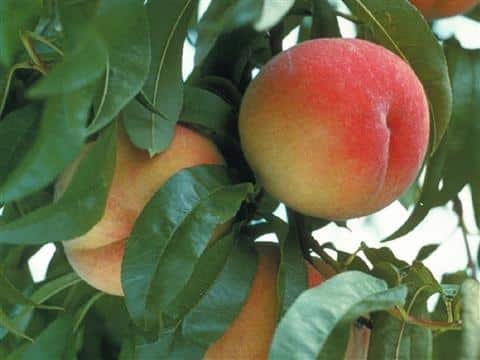
Honey Babe is a true miniature peach tree—naturally compact, heavy-bearing, and exceptionally sweet. This genetic dwarf variety produces full-size peaches with beautiful color and rich, honey-like flavor on a tree that typically reaches only 4–6 feet tall. It’s one of the best peaches for patios, containers, and small-space gardens.

Unlike standard peaches that require vigorous pruning to stay manageable, Honey Babe grows slowly and stays compact on its own. Its dense branching and short internodes make it an attractive ornamental tree even when not in fruit. In summer, the tree produces abundant peaches with outstanding texture and flavor.

Honey Babe performs beautifully in decorative pots, tight garden spaces, and urban settings—bringing big flavor from a very small footprint.

Overview

  • Miniature peach—naturally compact at 4–6 ft.
  • Produces full-size, sweet, richly flavored fruit.
  • Perfect for patios, containers, and courtyards.
  • Heavy-bearing; thin fruit early for best size and quality.
  • Self-fertile—no pollination partner needed.

Growing Details

Latin Name: Prunus persica ‘Honey Babe’
Site and Soil: 1/2 day to full day of sun; well-drained soil or premium potting mix
Rootstock: Lovell
Hardiness: USDA Zone 6–9
Bearing Age: 1–3 years
Size at Maturity: 4–6 ft (miniature habit)
Bloom Time: Early to mid-spring
Ripening Time: Mid-summer
Pollination: Self-fertile
Yield: Very productive for its size; thin to prevent overbearing
Pests & Diseases: Peaches may show Peach Leaf Curl in cool, wet-spring climates; benefits from good cultural care and dormant sprays

Additional Notes

  • Nerdy fact: Honey Babe’s “miniature” size comes from its genetics—not the rootstock—due to naturally shortened internodes that keep the canopy dense and compact.
  • Excellent choice for decorative containers; thrives long-term in 15–25 gallon pots.
  • Fruit is known for its rich sweetness and classic peach aroma.
  • Explore more of our ultra-dwarf peach and nectarine trees: Ultra-Dwarf Peaches & Nectarines
Planting & Care

At a Glance – Honey Babe Peach

  • Sun: 1/2 day to full day of sun
  • Soil: Well-drained soil or high-quality potting mix
  • Water: Keep evenly moist, especially for container-grown trees
  • Tree Size: Miniature (4–6 ft)
  • Pollination: Self-fertile
  • Harvest: Mid-summer
  • Hardiness: USDA Zone 6–9

Planting & Care – Honey Babe Peach

Site Selection

  • Perfect for patios, balconies, courtyards, and tight garden spaces.
  • Choose a warm, sunny spot for best sweetness and fruit color.
  • Provide mild wind protection if grown in containers.

Soil & Containers

  • Use well-drained soil or a premium potting mix.
  • 15–25 gallon containers are ideal for long-term growth.
  • Raised beds or mildly mounded planting spots improve drainage in rainy climates.

Planting Instructions

  1. Plant at the same depth it grew in the nursery container.
  2. Water thoroughly after planting.
  3. Mulch with 2–3 inches of organic material; keep mulch off the trunk.

Watering &Fertilizing

  • Keep soil consistently moist, especially during establishment.
  • Container trees may require watering several times a week in summer.
  • Peaches are medium feeders—apply balanced organic fertilizer in early spring.
  • Avoid excess nitrogen, which reduces fruit quality and flavor.

Pruning

  • Honey Babe naturally stays compact but benefits from light annual pruning.
  • Maintain a 4–6 ft structure for easy care and harvest.
  • Thin dense or crossing branches to improve airflow and sunlight.

Harvest & Use

  • Produces full-size peaches with a rich, sweet, honey-like flavor.
  • Excellent for fresh eating, baking, and summer desserts.
  • Allow peaches to fully ripen on the tree for the best flavor.

General Tips

  • Thin fruit early—miniature peaches often set too many fruit.
  • Top-dress container soil annually to maintain vigor.
  • Dormant sprays and good airflow help maintain foliage health in wet-spring climates.