Peach Tree (Frost)

Price range: $39.99 through $59.99

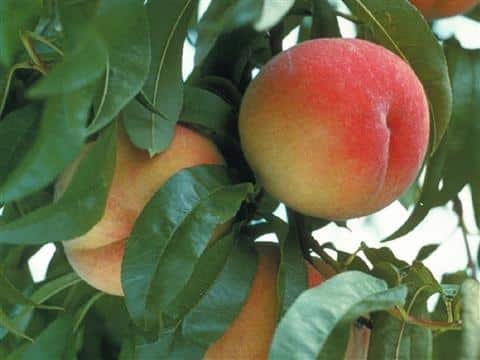
If you want a peach tree that feels like a sure bet, Frost delivers—sweet, juicy yellow peaches on a variety known for resilience when spring weather doesn’t cooperate.

  • Yellow freestone peach
  • Sweet, classic peach flavor
  • Compact semi-dwarf tree (10–12 ft)
  • Self-fertile
Add to Wishlist
Add to Wishlist
SKU: N/A Categories: , Tag:

Description

Frost Peach is one of the most confidence-building peach varieties you can plant—delivering sweet, classic yellow peaches on a tree known for its strong resilience in cool, wet-spring climates. The fruit is juicy and flavorful with that unmistakable “real peach” taste that makes homegrown harvests feel like a win.

Frost is especially valued for its strong resistance to Peach Leaf Curl, making it a standout choice for growers who want great fruit without constant worry. It ripens mid-season and produces heavy crops when cared for well—excellent fresh, sliced, baked, or preserved.

Overview

  • Classic yellow peach with sweet, juicy flavor.
  • Freestone flesh—easy to slice and enjoy.
  • Known for strong resistance to Peach Leaf Curl.
  • Productive compact semi-dwarf tree for home orchards.
  • Self-fertile—no pollination partner required.

Growing Details

Latin Name: Prunus persica ‘Frost’
Site and Soil: 1/2 day to full day of sun; well-drained soil
Rootstock: Citation
Hardiness: USDA Zone 6–9
Bearing Age: 1–3 years
Size at Maturity: 10–12 ft (compact semi-dwarf habit)
Bloom Time: Mid- to late spring
Ripening Time: Mid-season
Pollination: Self-fertile
Fruit Type: Freestone yellow peach
Pests & Diseases: Known for strong resistance to Peach Leaf Curl; benefits from good airflow and appropriate dormant care

Additional Notes

  • Grower’s Insight: Frost is widely known for its strong tolerance to Peach Leaf Curl, making it one of the most forgiving peaches for home growers.
  • Regional Insight: This variety has earned a strong reputation among Pacific Northwest growers for its reliability in cool, wet-spring conditions.
  • Excellent for fresh eating, baking, freezing, and preserving.
  • A strong “foundation peach” for anyone building a reliable home orchard.
  • Explore more peaches and nectarines in our collection: Peach & Nectarine Trees

Planting & Care

At a Glance – Frost Peach

  • Sun: 1/2 day to full day of sun
  • Soil: Well-drained soil
  • Water: Deep, regular watering during establishment
  • Tree Size: Compact semi-dwarf (10–12 ft)
  • Pollination: Self-fertile
  • Harvest: Mid-season
  • Hardiness: USDA Zone 6–9

Planting & Care – Frost Peach

Site Selection

  • Choose a sunny location where the tree can receive good light throughout the day, supporting healthy growth and flavorful fruit.
  • Good airflow helps keep foliage healthy, especially in regions with cool or damp spring weather.

Soil Preparation

  • Plant in well-drained soil to prevent excess moisture around the roots.
  • If soil tends to hold water, planting on a slight mound or raised area can significantly improve drainage.

Planting Instructions

  1. Plant slightly deeper than the nursery soil line to account for settling (about 1 inch for container-grown trees); for bare-root trees, plant so the root flare sits at or just above finished soil level.
  2. Water thoroughly after planting to settle the soil and eliminate air pockets around the roots.
  3. Apply a light layer of mulch to conserve moisture, keeping mulch a few inches away from the trunk.

Watering & Fertilizing

  • Water deeply after planting to fully soak the root zone and encourage roots to grow downward.
  • During the first growing season, water regularly and deeply, allowing the soil surface to dry slightly between waterings.
  • Once established, peaches benefit from deeper, less frequent watering rather than frequent shallow watering.
  • Apply a balanced fertilizer in early spring to support healthy growth and fruit development.
  • Avoid excessive nitrogen late in the season, which can favor leafy growth over fruit quality.

Pruning

  • Train to an open-center form to allow sunlight to reach the interior of the tree.
  • Annual pruning supports fruit production, airflow, and manageable tree size.
  • Thin fruit early in the season to improve fruit size and reduce stress on branches.

Harvest & Use

  • Harvest when fruit is fully colored and slightly soft to the touch for the best flavor.
  • Excellent for fresh eating, baking, freezing, and preserving.

General Tips

  • Consistent care supports dependable harvests year after year.
  • Allow fruit to ripen fully on the tree for maximum sweetness and aroma.