Pawpaw (Taylor)

$39.99

Taylor is a classic American pawpaw cultivar valued for traditional flavor, balanced performance, and dependable mid-season ripening.

  • Medium to medium-large fruit with yellow flesh
  • Classic banana-forward pawpaw flavor with mild tropical notes
  • Soft, custard-like texture at full ripeness
  • Mid-season ripening pawpaw (Frankfort, KY reference window included below)
  • Pollination required; plant with another pawpaw variety within 20–30 feet
Add to Wishlist
Add to Wishlist
SKU: Pawpaw (Taylor) Categories: , Tag:

Description

Taylor is a long-established American pawpaw cultivar appreciated for its traditional eating quality and balanced characteristics. Rather than chasing extremes, it delivers a familiar pawpaw experience that many growers recognize and trust.

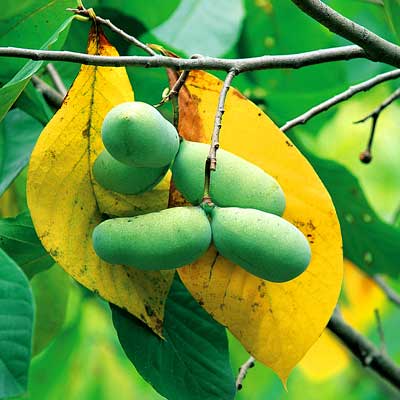
The fruit is typically medium to medium-large with yellow flesh and a classic flavor profile. When fully ripe, Taylor develops a soft, custard-like texture and a banana-forward taste accented by mild tropical notes. It’s approachable and familiar rather than intense or experimental.

Ripening falls mid-season within the pawpaw range, allowing Taylor to fit easily between earlier and later cultivars. Its steady timing and traditional character make it a reliable choice in mixed plantings and a useful partner for cross-pollination.

Overview

  • Traditional American pawpaw cultivar
  • Medium to medium-large fruit with yellow flesh
  • Classic, balanced pawpaw flavor profile
  • Soft, custard-like texture at ripeness
  • Pollination required for reliable fruit set

Growing Details

Latin Name: Asimina triloba ’Taylor’
Site and Soil: 1/2 day to full day of sun; well-drained soil
Chill Requirement: Not typically expressed in chill hours for pawpaws; performs best in temperate regions with warm summers
Hardiness: USDA Zone 5–8
Rootstock: Grafted onto pawpaw rootstock
Bearing Age: 3–5 years after planting
Size at Maturity: Typically 15–25 ft tall and wide; can be maintained smaller with pruning
Bloom Time: Mid-spring
Ripening Time: Mid within pawpaw varieties; typically Sept 5–Sept 18 in Frankfort, KY (varies by region)
Fruit Weight: Medium to medium-large; varies by season and crop load
Seed Content: Moderate; typical of traditional pawpaw cultivars (varies by season and crop load)
Texture Class: Soft custard (smooth, fully soft at ripeness)
Pollination: Pollination required; plant a genetically distinct pawpaw variety within 20–30 feet
Pests & Diseases: Generally low disease pressure with good airflow and moisture management
Yield: Moderate once established

Additional Notes

  • Grower’s Insight: Taylor is appreciated for its familiar flavor and dependable mid-season timing—an easy cultivar to live with rather than one built around extremes.
  • Regional Insight: Taylor’s mid-season ripening allows it to perform across a wide range of pawpaw-growing regions without pushing early or late-season limits.
  • Harvest only at full softness for proper flavor and texture development.
  • Soft texture at ripeness means fruit is best enjoyed fresh or processed promptly.
  • Explore more pawpaw varieties in our collection: Pawpaw Trees

Planting & Care

At a Glance – Taylor Pawpaw

  • Sun: 1/2 day to full day of sun (regional guidance below)
  • Soil: Well-drained, fertile soil with steady moisture
  • Water: Consistent during establishment; avoid drying out
  • Size: Typically 15–25 ft at maturity
  • Pollination: Required; plant a partner within 20–30 feet
  • Harvest: Mid-season; typically Sept 5–Sept 18 (Frankfort, KY reference)
  • Hardiness: USDA Zone 5–8

Planting & Care

What Makes Pawpaws Different

  • Pawpaws develop a strong taproot early and are sensitive to root disturbance.
  • Container-grown trees establish more reliably than bare-root pawpaws.
  • Keep the root ball intact when planting; avoid disturbing roots.

Site Selection (Climate Matters)

  • Cool-summer regions: Plant in the warmest, sunniest location available to support full ripening.
  • Warm to hot-summer regions: Young trees may benefit from light protection from extreme afternoon heat during their first season.
  • Choose sheltered sites and avoid frost pockets when possible.

Soil Preparation

  • Deep, well-drained soil with consistent moisture is ideal.
  • Avoid compacted or waterlogged ground.
  • Mulch heavily to stabilize moisture and protect shallow feeder roots.

Planting Instructions

  • Plant in spring after hard freezes, or early fall where winters are mild.
  • Dig a hole 2–3x as wide as the container, no deeper than the root ball.
  • Set the tree with the root flare at or slightly above soil level.
  • Backfill with native soil, water deeply, and mulch 2–3 inches (keep mulch off the trunk).

Watering & Fertilizing

  • Maintain consistent moisture during the first 1–2 years.
  • Once established, water deeply during extended dry periods.
  • Fertilize lightly in spring only if growth appears weak.

Pollination

  • Plant a genetically distinct pawpaw variety within 20–30 feet.
  • Hand pollination can improve fruit set where natural pollinators are limited.

Pruning, Training & Harvest

  • Minimal pruning needed—remove damaged wood and maintain structure.
  • Thin fruit if trees set heavily to reduce limb stress.
  • Harvest when fruit softens and releases easily from the tree.

General Tips

  • Mid-season cultivars like Taylor integrate easily with early and late pawpaws.
  • Consistent moisture and patience at harvest improve eating quality.