Description
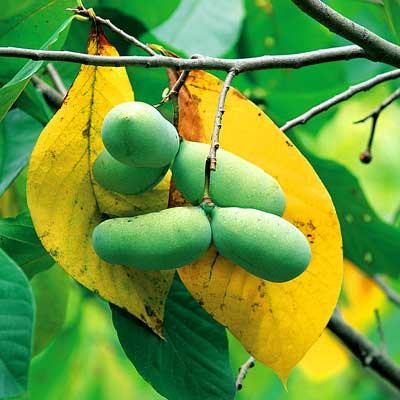
Rappahannock is an early-season pawpaw developed through Neal Peterson’s breeding program and selected to improve consistency, texture, and overall eating quality compared to wild seedlings. Unlike chance selections, it represents a deliberate effort to refine pawpaw performance while keeping the flavor profile approachable.
Grower reports describe Rappahannock as clean and mild when fully ripe, with smooth, custard-like flesh and low fiber. Flavor typically leans banana-forward with light tropical notes, avoiding the heavier or more intense profiles found in some later-season cultivars. Texture is one of its most consistent traits when fruit is allowed to soften fully.
Fruit size is generally medium, with Rappahannock valued more for timing and eating quality than for large size. Ripening earlier than most Peterson cultivars, it is often used to spread harvest into the front of pawpaw season and reduce late-season risk.
Overview
- Peterson Pawpaws breeding program release
- Early-season ripening relative to most Peterson cultivars
- Smooth, custard-like texture with low fiber
- Classic, restrained pawpaw flavor profile
- Pollination required for reliable fruit set
Growing Details
Latin Name: Asimina triloba ’Rappahannock’
Site and Soil: 1/2 day to full day of sun; well-drained soil
Chill Requirement: Not typically expressed in chill hours for pawpaws; performs best in temperate regions with warm summers
Hardiness: USDA Zone 5–8
Rootstock: Grafted onto pawpaw rootstock
Bearing Age: 3–5 years after planting
Size at Maturity: Typically 15–25 ft tall and wide; can be maintained smaller with pruning
Bloom Time: Mid-spring
Ripening Time: Early within pawpaw varieties; typically Aug 28–Sept 8 in Frankfort, KY (varies by region)
Fruit Weight: Commonly ~5–8 oz (varies by season and crop load)
Seed Content: Moderate; typically ~6–8% of fruit weight (varies by season and crop load)
Texture Class: Smooth custard (even, low-fiber texture at full ripeness)
Pollination: Pollination required; plant a genetically distinct pawpaw variety within 20–30 feet
Pests & Diseases: Generally low disease pressure with good airflow and moisture management
Yield: Moderate to good once established
Additional Notes
- Grower’s Insight: Rappahannock is appreciated for its clean texture and early timing—an easy-eating pawpaw that performs reliably without pushing into late-season risk.
- Regional Insight: In cooler or shorter-season regions, Rappahannock’s early ripening helps ensure fruit finishes before fall weather becomes limiting.
- Allow fruit to fully soften and become aromatic before harvest for best texture and flavor.
- Because pawpaw fruit bruises easily, plan for fresh eating or prompt processing once ripe.
- Explore more pawpaw varieties in our collection: Pawpaw Trees