Description
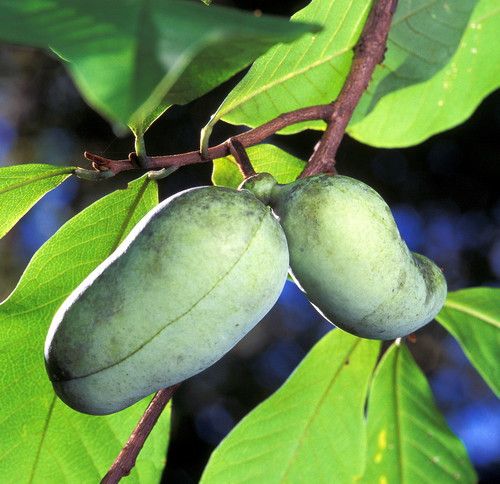
KSU-Atwood™ is a North American pawpaw released by Kentucky State University for grower trial, selected for high yield and consistent performance. It’s a variety built for real production—known for carrying heavy crop loads and developing strong branch angles that help support that fruit.
The eating experience is classic pawpaw at its best: fully ripe fruit turns soft and custard-like, with tropical notes often described as mango, banana, and pineapple. It’s best enjoyed fresh at peak softness or scooped and saved as pulp for smoothies and desserts.
KSU-Atwood™ ripens mid-season within pawpaw varieties—typically late summer into early fall depending on region—and rewards growers who give it what pawpaws demand: intact roots at planting, steady moisture during establishment, and a compatible pollination partner close by.
Overview
- Kentucky State University release selected for high yield
- Tropical-leaning flavor profile with soft, custard-like texture when ripe
- Mid-season within pawpaw varieties; late summer into early fall depending on region
- Large fruit with strong flesh-to-seed balance
- Cross-pollination required for consistent fruit set
Growing Details
Latin Name: Asimina triloba ’KSU-Atwood™’
Site and Soil: 1/2 day to full day of sun; well-drained soil
Chill Requirement: Not typically expressed in chill hours for pawpaws; best performance in temperate regions with warm summers
Hardiness: USDA Zone 5–8
Rootstock: Grafted onto pawpaw rootstock
Bearing Age: 3–5 years after planting
Size at Maturity: Typically 15–25 ft tall and wide; can be maintained smaller with pruning
Bloom Time: Mid-spring
Ripening Time: Mid-season within pawpaw varieties; late summer into early fall (varies by region)
Fruit Weight: Averaging ~6.5 oz. per fruit in KSU observations
Seed Content: Approximately ~6% by weight in KSU observations
Pollination: Pollination required; plant a genetically distinct pawpaw within 20–30 feet
Pests & Diseases: Generally low disease pressure; KSU-Atwood™ is noted for reduced leaf spot compared to some cultivars
Yield: High-yielding selection once established with good pollination
Additional Notes
- Grower’s Insight: KSU-Atwood™ is a “cropper” variety—give it steady establishment care and a good pollination partner, and it’s capable of carrying serious fruit loads.
- Regional Insight: In cool-summer regions (including the Puget Sound), prioritize maximum sun exposure for faster establishment and stronger growth; in warmer climates, steady moisture is the make-or-break factor.
- Harvest fruit only when fully ripe; pawpaws eaten underripe won’t show their best texture or flavor.
- Pawpaw fruit bruises easily and is highly perishable—plan to eat or process soon after harvest.
- Explore more pawpaw varieties in our collection: Pawpaw Trees