Palestine Sweet Lime

Price range: $34.99 through $149.99

Palestine Sweet Lime is a mild, low-acid citrus prized for its gentle sweetness and refreshing juice—perfect for those who enjoy citrus flavor without sharp acidity.

  • Very low-acid “sweet lime” with mild, refreshing flavor.
  • Juicy fruit suited for fresh eating or gentle juice.
  • Less tart than standard limes or lemons.
  • Well suited to warm climates or container growing.
  • Self-fertile.
Add to Wishlist
Add to Wishlist
SKU: Palestine Sweet Lime Categories: , Tag:

Description

Palestine Sweet Lime is a distinctive citrus valued for what it lacks as much as what it offers—sharp acidity. Unlike traditional limes or lemons, this variety produces mild, gently sweet fruit that can be enjoyed fresh or juiced without the bite associated with acidic citrus.

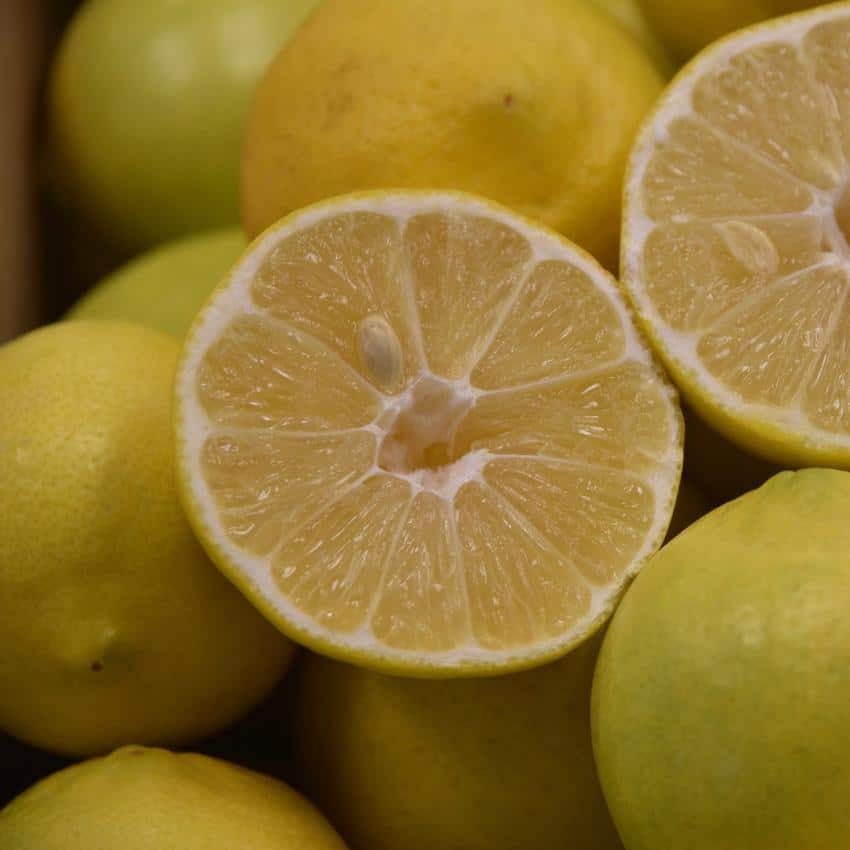
Long grown in the Middle East and Mediterranean regions, Palestine Sweet Lime has been favored as a refreshing juice fruit and everyday citrus for those who prefer a softer flavor profile. The fruit resembles a lime or small lemon in appearance but delivers a noticeably smoother, low-acid experience.

Overview

  • Low-acid sweet lime with mild, refreshing flavor.
  • Juicy fruit suitable for fresh eating or juice.
  • Distinct from acidic limes and lemons.
  • Typically seeded.
  • Self-fertile.

Growing Details

Latin Name: Citrus limetta
Site and Soil: Full sun; well-drained soil
Rootstock: 1-gallon trees on Flying Dragon; larger sizes on C-35
Hardiness: Best suited to USDA Zones 9–11; protect from hard freezes
Bearing Age: Often fruits immediately; grafted trees may produce in their first season
Size at Maturity:
Flying Dragon: Typically 6–8 ft tall and wide
C-35: Typically 10–12 ft tall and wide
Note: Trees grown in containers remain smaller and are easily maintained with pruning.
Bloom Time: Spring, with occasional additional blooms in warm climates
Ripening Time: Winter into early spring
Pollination Requirements: Self-fertile
Seed Content: Typically seeded
Pests & Diseases: Similar to other citrus; good airflow and drainage reduce issues

Additional Notes

  • Grower’s Insight: Palestine Sweet Lime is valued for its very low acidity rather than sweetness alone, making it a niche citrus for those who enjoy citrus flavor without digestive discomfort from sharp acids.
  • Regional Insight: Performs best in warm citrus climates; container growing allows success in cooler regions with winter protection.
  • Explore more lemon and lime varieties in our collection: Limes & Lemons

Planting & Care

At a Glance – Palestine Sweet Lime

  • Sun: 3/4 day to full day of sun
  • Soil: Well-drained soil
  • Soil pH: Performs best between 5.5–6.5
  • Water: Moderate; consistent during establishment
  • Tree Size: Compact to medium, manageable with pruning
  • Pollination: Self-fertile
  • Harvest: Winter into early spring
  • Hardiness: Protect from freezing temperatures

Planting & Care – Palestine Sweet Lime

Site Selection

  • Choose a sunny, warm location for best growth and fruit quality.
  • Sheltered microclimates improve cold performance.
  • Good air circulation supports healthy citrus growth.

Soil Preparation (In-Ground vs Container)

  • In-ground: Excellent drainage is essential; raised planting helps in heavier soils.
  • In-ground: Slightly acidic soil (pH 5.5–6.5) supports nutrient uptake.
  • Container: Use a fast-draining citrus mix in a container with drainage holes.
  • Container: Containers allow easy protection in cooler climates.

Planting Instructions

  1. Dig a hole about twice the width of the root ball, or choose a container slightly larger than the root mass.
  2. Set the tree so the root flare sits at or slightly above finished soil or potting mix.
  3. Backfill gently and water thoroughly.
  4. Mulch lightly for in-ground trees, keeping mulch away from the trunk.

Watering (In-Ground vs Container)

  • In-ground, establishment: Keep soil evenly moist during the first growing season.
  • In-ground, established: Deep, periodic watering supports steady fruiting.
  • Simple check: Water when soil is dry 3–6″ below the surface.
  • Container: Water thoroughly, then allow the top couple inches of mix to dry.

Fertilizing

  • Sweet limes respond well to consistent citrus nutrition.
  • Base feeding: Apply slow-release citrus fertilizer in early spring and early summer.
  • Support feeding: Supplemental liquid feeding during active growth promotes flowering and fruit development.
  • Reduce feeding later in the season to help the tree harden before winter.

Cold Care

  • Protect trees during freezing weather, especially when young.
  • Container trees can be moved to sheltered locations during cold snaps.

Pruning & Harvest

  • Light pruning maintains shape and airflow.
  • Harvest when fruit reaches full size and light coloration for best mild flavor.

General Tips

  • An excellent choice for growers seeking a gentle, low-acid citrus.
  • Well suited for fresh juice without added sugar.