Description
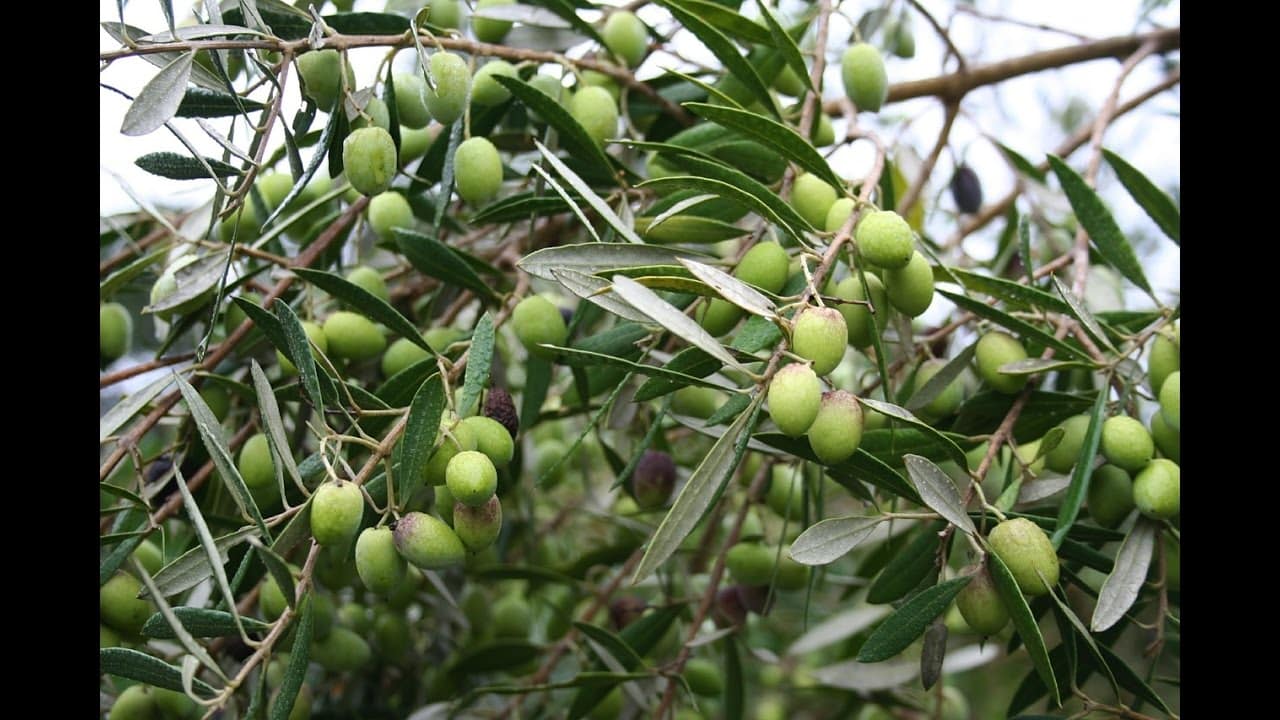
Star of Crimea™ (Krimskaya Zvezda) is a Nikita Botanic Garden introduction from the Black Sea coast, brought to the U.S. because it has the kind of early ripening fruit and cold-edge potential that makes olives realistic in more than just the classic warm zones.
These Crimean selections are different in spirit than most nursery olives. They weren’t chosen only for beauty or “Mediterranean vibes”—they were selected and evaluated in a region where winter matters, and where getting fruit to ripen is part of the challenge. Star of Crimea is considered a promising variety with flavorful fruit and an early harvest window, which is exactly what you want if you’re pushing olives into shorter or cooler seasons.
Like most olives, success comes down to the fundamentals: full sun, excellent drainage, and restraint with water—especially in cooler months. Pollination is a key variable with this one; plant it with another olive variety nearby for more reliable fruit set and a more consistent crop.
Overview
- Crimean/Nikita Botanic Garden selection introduced for cold-edge growing
- Early ripening olive with flavorful fruit for curing or oil
- Best suited to sunny, well-drained sites
- Pollination recommended for reliable fruit set
- Strong candidate for growers testing the limits of olives in cooler regions
Growing Details
Latin Name: Olea europaea ‘Krimskaya Zvezda’ (marketed as Star of Crimea™)
Origin: Nikita Botanic Garden selection (Crimea / Black Sea coast)
Site and Soil: Full sun preferred; well-drained soil is essential
Cold Tolerance: Established trees have reported wood survival around ~10°F
Rootstock: Own-root (propagated from cuttings)
Bearing Age: Often fruits immediately; trees may produce in their first season under favorable conditions
Size at Maturity: Typically maintained at 8–12 ft tall and wide with pruning
Note: Size reflects managed garden or container-grown trees; growth varies by climate and whether planted in-ground or in containers. Unpruned trees can grow larger over time
Bloom Time: Mid to late spring (varies by region)
Ripening Time: Early-season olive; timing varies by climate and season length
Pollination: Pollination recommended; plant a compatible olive variety within 20–30 feet for improved fruit set and consistency
Pests & Diseases: Generally resilient with good airflow and drainage; regional pressure varies
Additional Notes
- Grower’s Insight: Star of Crimea™ is sold under a trademarked U.S. name and tied to a royalty structure—strong signals that this is a deliberate regional introduction rather than a generic olive. For growers, that usually means the selection was brought over for a specific reason: cold-edge performance and a realistic ripening window.
- Regional Insight: A strong candidate for warm-summer, well-drained sites in regions where standard olives can struggle to ripen. If you’re in a cooler or wetter climate, containers and aggressive drainage give you the most control.
- The primary cold risk in sudden freezes is bark splitting. Good drainage, sun exposure, and avoiding late-season pushes of soft growth all reduce risk.
- Young trees may defoliate when temperatures dip into the low 20s. Don’t give up on them—many will push new growth again as conditions warm.
- Explore more olives in our collection: Olive Trees