Olive Tree (Ascolana)

$69.99

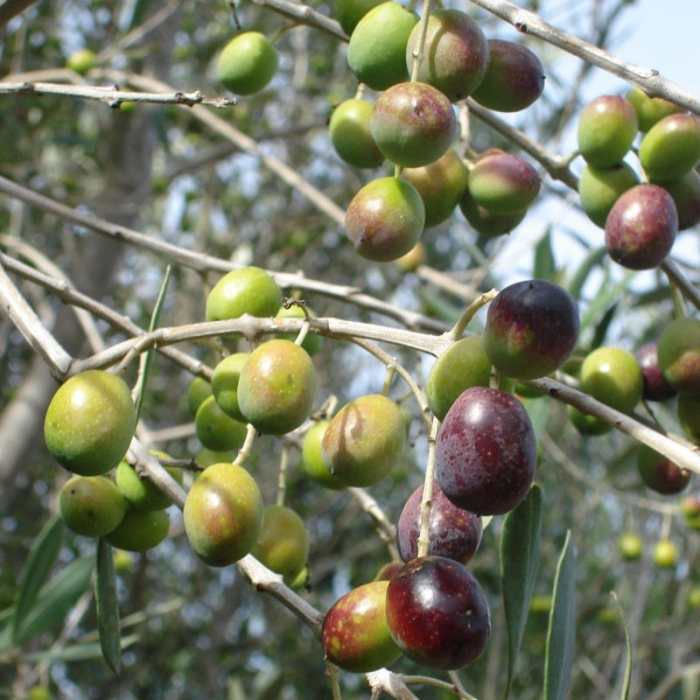
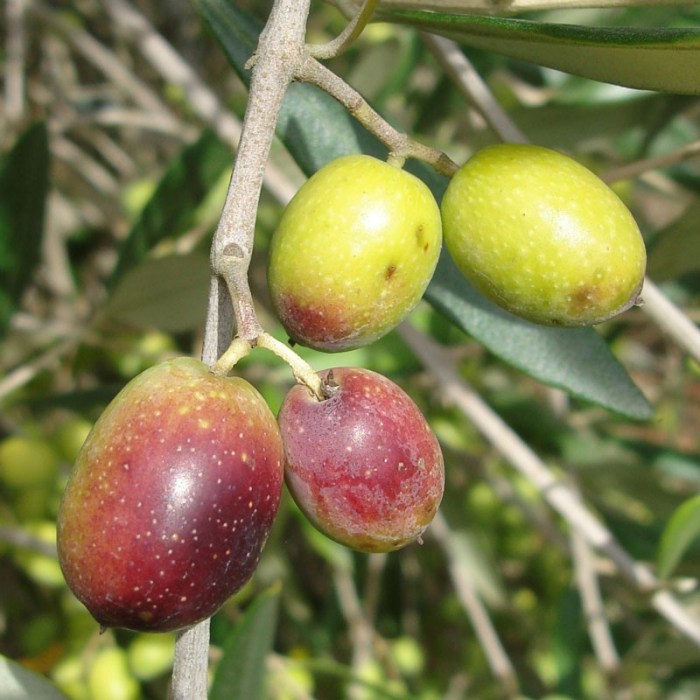
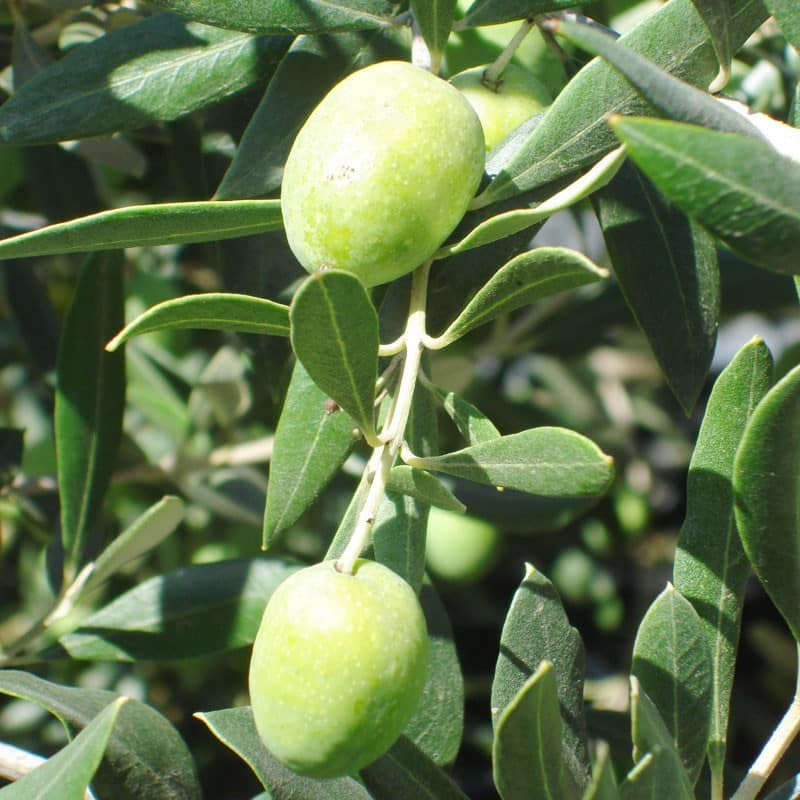
Ascolana is a classic Italian table olive grown for one thing above all else: size. Its large, meaty fruit and gentle bitterness make it one of the most prized olives for home curing and fresh preparation.

  • Italian table olive known for exceptionally large fruit
  • High flesh-to-pit ratio ideal for curing and stuffing
  • Mild bitterness compared to many olive varieties
  • Mid to late-season ripening olive
  • Pollination required for reliable fruit set
Add to Wishlist
Add to Wishlist
SKU: Olive Tree (Ascolana) Category: Tag:

Description

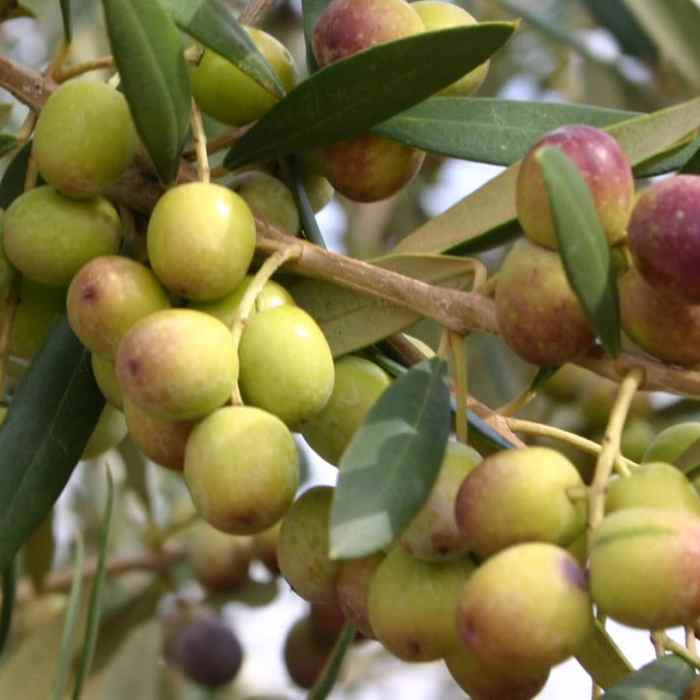
Ascolana is a classic Italian table olive grown for size, texture, and curing quality. The fruit is notably large and meaty, with a high flesh-to-pit ratio that makes it especially well suited to home curing, brining, and fresh preparation.

Originating in central Italy near Ascoli Piceno, Ascolana—often referred to as Ascolana Tenera—is closely tied to traditional Italian olive culture. It’s the cultivar behind the famous olive ascolane, prized for fruit that holds its shape and texture through curing and cooking while maintaining a relatively gentle bitterness.

Ascolana’s growth habit is more traditional and less compact than modern high-density olives, but size and vigor are still strongly shaped by climate and care. In warm, in-ground plantings, trees can grow with moderate strength over time, while container-grown trees or those managed in cooler regions tend to remain more restrained. With pruning and thoughtful siting, Ascolana can be successfully grown in home gardens where table olives are the goal.

Overview

  • Italian table olive cultivar prized for very large fruit
  • High flesh-to-pit ratio ideal for curing and stuffing
  • Milder bitterness compared to many olive varieties
  • Mid to late-season ripening olive
  • Pollination required for reliable fruit set

Growing Details

Latin Name: Olea europaea ’Ascolana Tenera’
Origin: Marche region, Italy (Ascoli Piceno)
Site and Soil: Full sun preferred; well-drained soil is essential
Cold Tolerance: UC Freeze Category: Moderate; established trees have reported wood survival around ~15°F
Rootstock: Own-root (propagated from cuttings)
Bearing Age: Often fruits once established; production improves with maturity
Size at Maturity: Typically maintained at 8–12 ft tall and wide with pruning
Note: Size reflects managed garden or container-grown trees; growth and ultimate size vary by climate and whether planted in-ground or in containers. Unpruned trees can grow larger over time
Bloom Time: Mid to late spring (varies by region)
Ripening Time: Mid-season olive; harvest timing varies by climate and season length
Pollination: Pollination required; plant a compatible olive variety within 20–30 feet
Pests & Diseases: Generally resilient with good airflow and drainage; regional pressure varies

Additional Notes

  • Grower’s Insight: Ascolana’s standout trait is fruit size. It’s grown specifically for table use, not oil, and excels when cured as a green olive or used in traditional preparations.
  • Regional Insight: Performs best when planted for warmth, drainage, and sun exposure; suitable for home growers focused on table olives rather than oil production.
  • Cold-weather note: In olives, the primary cold risk is bark splitting during sudden freezes rather than slow, sustained cold. Proper siting and drainage greatly reduce risk.
  • Harvest note: As a table olive, fruit is typically harvested green and cured rather than allowed to fully blacken.
  • Explore more olives in our collection: Olive Trees
Planting & Care

At a Glance – Ascolana Olive

  • Sun: Full sun
  • Soil: Well-drained soil
  • Water: Moderate; consistent during establishment
  • Tree Size: Moderate vigor; manageable with pruning
  • Pollination: Required; plant a partner within 20–30 feet
  • Harvest: Mid to late-season table olive
  • Hardiness: Wood survival improves with proper siting and drainage

Planting & Care – Ascolana Olive

Site Selection

  • Choose the warmest, sunniest location available.
  • South- or west-facing exposures support fruit development.
  • Protection from cold winter winds improves long-term performance.
  • Good airflow supports healthy growth and fruit quality.

Soil Preparation (In-Ground vs Container)

  • In-ground: Excellent drainage is essential; mound or raise planting sites if soils drain slowly.
  • In-ground: Neutral to slightly alkaline soils are ideal, but drainage matters most.
  • Container: Use a fast-draining mix and a pot with ample drainage holes.
  • Container: Containers offer flexibility but require winter root protection.

Planting Instructions

  1. Dig a hole twice the width of the root system, or select a container just larger than the root mass.
  2. Set the tree at the same depth it was growing previously.
  3. Backfill gently and water thoroughly to settle soil around the roots.
  4. Mulch lightly for in-ground plantings, keeping mulch away from the trunk.

Watering (In-Ground vs Container)

  • In-ground, establishment: Water regularly during the first 1–2 years.
  • In-ground, established: Allow soil to dry several inches down between deep waterings.
  • Container: Water thoroughly, then wait until the top couple inches of mix dry before watering again.

Fertilizing

  • Olives are moderate feeders and prefer balanced nutrition.
  • Apply a light fertilizer in spring if growth is weak.
  • Avoid late-season fertilization to allow growth to harden before winter.

Cold Care

  • Young olive trees may defoliate when temperatures dip into the low 20s. Don’t give up on them—many will push new growth again as conditions warm.
  • Young trees benefit from protection during their first few winters.
  • Container trees: Protect the root zone during hard freezes.

Pollination

  • Ascolana requires another olive variety nearby for fruit set.
  • Plant pollination partners within 20–30 feet for best results.

Pruning & Training

  • Train to a balanced, open structure to support airflow and fruit access.
  • Annual pruning helps manage size and supports fruit quality.

Harvest & Use

  • Harvest fruit green for traditional table olive curing.
  • Well suited to brining, curing, and stuffed olive preparations.

General Tips

  • Ascolana shines as a table olive rather than an oil olive.
  • Warm siting and proper pollination are key to success.
  • Consistent care leads to better fruit size and quality over time.