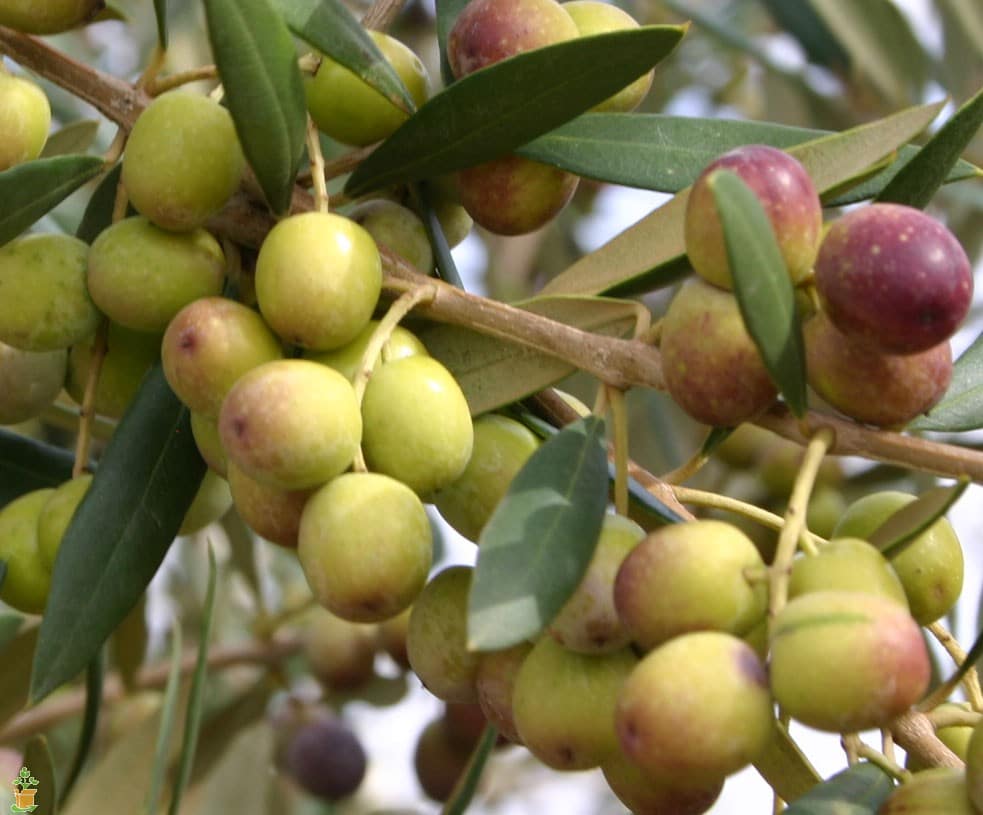
Olive Tree (Arbequina)

Price range: $34.99 through $189.99

Arbequina is one of the most approachable olive varieties for home growers—compact by nature, adaptable across climates, and widely used for producing smooth, mild olive oil on a small scale.

  • Oil-focused olive known for mild, fruity oil
  • Adapts well to containers, gardens, and small orchards
  • Growth habit and size vary with climate and cultural practices
  • Grows well in cooler regions with adequate summer heat
  • Partially self-fertile; yields improve with a pollination partner
Add to Wishlist
Add to Wishlist
SKU: Olive Tree (Arbequina) Categories: , , Tag:

Description

Arbequina is the olive people picture when they imagine harvesting olives at home — manageable, productive, and well suited to modern gardens. Rather than towering orchard trees, this is an olive that fits patios, courtyards, and small orchards, producing fruit that’s prized for smooth, approachable oil. For growers who want an olive that feels achievable, Arbequina often becomes the entry point.

Originally from Spain, Arbequina has become widely planted well beyond its native region due to its compact growth habit and adaptability to modern planting systems. Its fruit is small and best suited to oil production, where Arbequina shines with a smooth, mild, gently fruity oil that is less bitter and pungent than many traditional Mediterranean cultivars.

Arbequina grows well in cooler regions, but consistent fruit ripening is driven by summer heat and season length. In marginal climates, it should be viewed as a long-term tree that rewards favorable seasons rather than a guaranteed annual crop. With maturity, good sun exposure, and thoughtful placement, productivity improves steadily.

Overview

  • Oil-focused olive variety known for smooth, mild oil
  • Compact growth habit compared to many traditional olives
  • Capable of early fruiting due to propagation from cuttings
  • Adaptable to in-ground planting or large containers
  • Partially self-fertile; cross-pollination improves yield

Growing Details

Latin Name: Olea europaea ’Arbequina’
Origin: Catalonia, Spain
Site and Soil: Full sun preferred; well-drained soil is essential
Cold Tolerance: UC Freeze Category: Hardy; established trees have reported wood survival around ~10°F
Rootstock: Own-root (propagated from cuttings)
Bearing Age: Often fruits immediately; trees may produce in their first season under favorable conditions
Size at Maturity: Typically maintained at 8–12 ft tall and wide with pruning
Note: Size reflects managed garden or container-grown trees; growth and ultimate size vary by climate and whether planted in-ground or in containers. Unpruned trees can grow larger over time
Bloom Time: Mid to late spring (varies by region)
Ripening Time: Early to mid-season olive; harvest timing varies by climate and season length
Pollination: Partially self-fertile; planting a compatible olive variety within 20–30 feet improves yield and consistency
Pests & Diseases: Generally resilient with good airflow and drainage; regional pressure varies

Additional Notes

  • Grower’s Insight: Arbequina’s compact structure and early fruiting potential are why it became a foundation variety for modern high-density olive plantings—and why it translates so well to home gardens and container culture.
  • Regional Insight: Grows reliably as a landscape and fruiting tree in cooler regions, including the Pacific Northwest; full ripening is most consistent in locations with warm summers and long growing seasons.
  • Fruit size is small; this variety is best chosen for oil production rather than table olive use.
  • Annual yields tend to improve as trees mature and experience favorable heat accumulation.
  • Explore more olives in our collection: Olive Trees
Planting & Care

At a Glance – Arbequina Olive

  • Sun: Full sun
  • Soil: Well-drained soil
  • Water: Moderate; consistent during establishment
  • Tree Size: Compact to medium, manageable with pruning
  • Pollination: Partially self-fertile
  • Harvest: Early-season olive; timing varies by climate
  • Hardiness: Cold tolerance relates primarily to wood survival

Planting & Care – Arbequina Olive

Site Selection

  • Choose the warmest, sunniest location available for best growth and fruit ripening.
  • South- or west-facing exposures help maximize heat accumulation.
  • Some protection from cold winter winds improves long-term performance, especially in marginal climates.
  • Good air movement supports healthy foliage and reduces moisture-related issues.

Soil Preparation (In-Ground vs Container)

  • In-ground: Olives require excellent drainage. If water stands after rain, plant on a slight mound or raised area.
  • In-ground: Neutral to slightly alkaline soils are ideal, but drainage matters more than exact pH.
  • Container: Use a fast-draining mix in a pot with ample drainage holes.
  • Container: Containers offer flexibility in cooler regions but require closer attention to winter root protection.

Planting Instructions

  1. Dig a hole about twice the width of the root system, or select a container just larger than the root mass.
  2. Set the tree at the same depth it was growing previously.
  3. Backfill gently and water thoroughly to settle soil around the roots.
  4. Apply a light mulch layer for in-ground plantings, keeping mulch a few inches away from the trunk.

Watering (In-Ground vs Container)

  • In-ground, establishment: Water regularly during the first 1–2 years while roots establish.
  • In-ground, established: Allow soil to dry several inches down between deep waterings.
  • Simple check: If soil is dry 3–6″ below the surface, it’s time to water.
  • Container: Water thoroughly, then wait until the top couple inches of mix are dry before watering again.
  • Goal: A steady wet-to-dry rhythm encourages resilient root systems.

Fertilizing

  • Olives are moderate feeders and prefer balanced nutrition rather than heavy fertilization.
  • In-ground trees: A light, balanced fertilizer in spring is usually sufficient.
  • Container trees: Because nutrients leach more quickly, lighter but more frequent feeding works best.
  • Avoid late-season fertilization to allow growth to harden before winter.

Cold Care

  • Cold tolerance in olives relates primarily to survival of the wood.
  • Young trees benefit from protection during their first few winters.
  • Container trees: Protect the root zone during hard freezes; pots cool faster than in-ground soil.
  • Good drainage, sun exposure, and balanced care significantly improve cold resilience.

Pollination

  • Arbequina is partially self-fertile and may produce fruit on its own.
  • Planting another olive variety within 20–30 feet typically improves yield and consistency.

Pruning & Training

  • Can be trained as a single-trunk tree or a multi-trunk form.
  • Choose a form based on space, climate, and desired appearance.
  • Light annual pruning helps maintain airflow, balance, and manageable size.

Harvest & Use

  • Harvest timing varies by climate and season.
  • Oil olives may be harvested from green to fully purple depending on desired oil flavor.
  • Flavor profile shifts with harvest stage, from brighter and grassy to richer and more mellow.

General Tips

  • Olives reward patience; production and consistency improve with age.
  • Container-grown trees offer flexibility but require closer winter attention.
  • Consistent care and thoughtful placement lead to long-term success.