Description
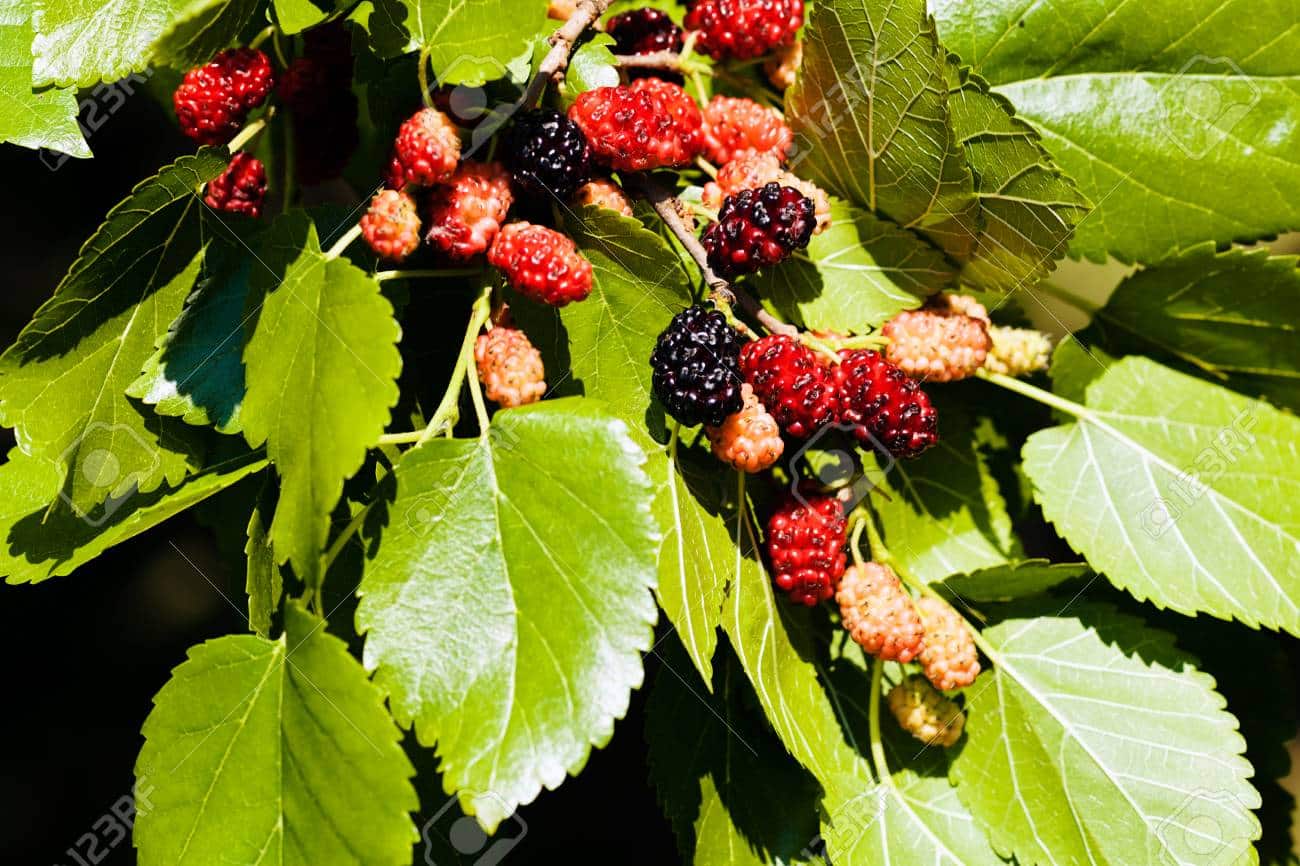
Early Bird mulberry is grown for timing. It’s widely regarded as one of the earliest mulberries to ripen, bringing sweet, dark fruit on early—often when you’re still waiting on the rest of the summer harvest to begin. The berries are dark and flavorful when fully ripe, with that unmistakable mulberry sweetness. It’s an easy variety to love if you want fruit that feels “ahead of schedule,” and it pairs beautifully with later mulberries to stretch the season. The name “Early Bird” is as literal as it sounds—selected and sold for its early ripening habit. There’s also a practical grower angle that shows up in the lore around this variety: early-fruiting mulberries can pull bird attention early, helping divert pressure from other crops later in the season.
Overview
- Exceptionally early ripening mulberry
- Sweet, dark berries with strong flavor
- Excellent for extending the mulberry season
- Productive once established
- Self-fertile
Growing Details
Latin Name: Morus alba √ó rubra ’Early Bird’
Site and Soil: 1/2 day to full day of sun; well-drained soil
Hardiness: USDA Zone 4–9
Rootstock: Russian mulberry (Morus alba tatarica)
Bearing Age: 1–3 years
Size at Maturity: Typically 12–15 ft tall and wide; can be kept smaller with pruning
Flowering: Spring; inconspicuous catkins (not showy)
Ripening Time: Early summer (often June into July); timing varies by climate
Pollination: Self-fertile
Pests & Diseases: Generally low-maintenance with few serious issues
Yield: Productive once established
Additional Notes
- Grower’s Insight: Early Bird is the mulberry you plant when you want to start the season early—especially useful if you’re pairing it with later mulberries to keep fruit coming over a longer window.
- Regional Insight: Performs well across a wide range of climates; in cooler regions like the Pacific Northwest it’s valued for bringing ripe fruit early without needing extreme heat.
- For best flavor, harvest when berries are fully dark and soft.
- Birds love early mulberries—netting may help if you want more of the crop.
- Explore more mulberries in our collection: Mulberry Trees