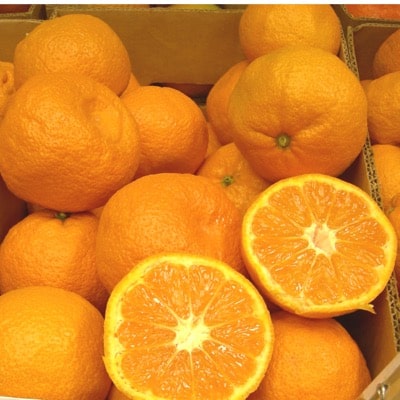
Mandarin (Kuno Wase)

$34.99

Kuno Wase is a classic early-ripening satsuma mandarin prized for seedless fruit, easy peeling, and reliable performance.

  • Early-ripening satsuma mandarin.
  • Seedless fruit with tender, easy-to-eat flesh.
  • Classic satsuma flavor and texture.
  • Compact, container-friendly growth habit.
  • Self-fertile.
Add to Wishlist
Add to Wishlist
SKU: Mandarin (Kuno Wase) Categories: , Tag:

Description

Kuno Wase is a traditional Japanese satsuma mandarin selected for early maturity and dependable fruit quality. As an early-season satsuma, it is valued for finishing fruit ahead of colder weather while maintaining the soft texture and clean sweetness satsumas are known for.

The fruit is smooth-skinned, easy to peel, and seedless, making it an excellent fresh-eating mandarin. Kuno Wase is well suited to growers who want a reliable early harvest without the management demands of later-ripening citrus.

Overview

  • Early-ripening satsuma mandarin.
  • Seedless fruit with classic satsuma texture.
  • Easy-peel skin and mild, pleasant sweetness.
  • Compact growth habit suitable for containers.
  • Self-fertile.

Growing Details

Latin Name: Citrus unshiu ’Kuno Wase’
Site and Soil: Full sun; well-drained soil
Rootstock: 1-gallon trees on Flying Dragon; larger sizes on C-35
Hardiness: Typical mandarin hardiness; mature trees tolerate temperatures in the 22–24°F range under short-duration freezes
Bearing Age: 2–4 years
Size at Maturity:
Flying Dragon: Typically 6–8 ft tall and wide•
C-35: Typically 10–12 ft tall and wideNote: Trees grown in containers remain smaller and are easily maintained with pruning.
Bloom Time: Spring
Ripening Time: Early season for satsumas; typically fall
Pollination Requirements: Self-fertile
Pests & Diseases: Similar to other citrus; benefits from good airflow and excellent drainage

Additional Notes

  • Grower’s Insight: Kuno Wase is valued for finishing fruit early, making it a dependable choice where early harvest timing matters.
  • Regional Insight: Performs well in mild-winter regions and adapts nicely to container growing in cooler climates.

Planting & Care

At a Glance – Kuno Wase Satsuma Mandarin

  • Sun: 3/4 day to full day of sun
  • Soil: Well-drained soil is essential
  • Soil pH: Best in the 5.5–6.5 range
  • Water: Moderate; consistent during establishment
  • Tree Size: Compact (size varies with management)
  • Pollination: Self-fertile
  • Harvest: Early satsuma season (fall)
  • Hardiness: Typical mandarin hardiness; protect during freezes

Planting & Care – Kuno Wase Satsuma Mandarin

Site Selection

  • Choose the sunniest available location to improve growth, fruit sweetness, and winter performance.
  • Good air movement helps reduce disease pressure and speeds drying after rain.
  • Avoid low areas where cold air settles and soil stays wetter.

Soil Preparation (In-Ground vs Container)

  • In-ground: Drainage is the #1 make-or-break factor. If water puddles or the soil stays wet after rain, plant on a mound or raised bed.
  • In-ground: Citrus performs best with slightly acidic soil. Aim for a soil pH in the 5.5–6.5 range; if you’re unsure, a simple soil test is worth it.
  • In-ground: If your soil is naturally high pH (alkaline), pH is difficult to change permanently—focus on drainage, mulch, and micronutrient support as needed.
  • Container: Use a fast-draining citrus mix (not heavy garden soil). Your container must have drainage holes and should never sit in a water-filled saucer.
  • Container: Potting media pH matters over time—citrus typically performs best when media stays in the 5.5–6.5 range.

Planting Instructions

  1. Dig a hole roughly twice the width of the root ball (or choose a container only slightly larger than the current root mass).
  2. Plant so the root flare sits at or slightly above finished soil level.
  3. Backfill and water thoroughly to settle the soil/media.
  4. Mulch 2–3″ deep (in-ground), keeping mulch several inches away from the trunk.

Watering (In-Ground vs Container)

  • In-ground, years 1–2: Keep the root zone consistently moist but never soggy. Deep water, then allow the top of the soil to dry before watering again.
  • In-ground, established: Deep, less frequent watering is best. A strong rule of thumb is to allow the soil to dry to a depth of about 6″ before the next irrigation.
  • In-ground “when to water” test: Check the soil 3–6″ down. If it feels dry at that depth, it’s time to water again.
  • Container: Containers dry faster and can require frequent watering in warm weather—sometimes even daily outdoors in summer. Water thoroughly until it drains, then let the top couple inches dry before watering again.
  • Container “when to water” test: Press a finger 2″ into the mix. If it feels dry, water. If it’s still damp, wait.
  • Critical failure point: Constantly wet soil/media invites root disease. Citrus likes a wet-to-dry rhythm, not a swamp.

Fertilizing (Heavy Feeder Protocol)

  • Citrus are heavy feeders. Consistent nutrition is one of the biggest differences between “survives” and “thrives.”
  • In-ground: Use a citrus fertilizer and split your yearly feeding into 2–3 applications during active growth (commonly late winter/early spring, late spring, and early summer).
  • In-ground (cold regions): Avoid nitrogen late in the season. Late feeding can push soft growth and reduce cold readiness.
  • Container: Because nutrients leach quickly, container citrus often does best with lighter, more frequent feeding. A common approach is slow-release citrus fertilizer plus periodic liquid feeding during active growth.
  • Micronutrients & pH: If foliage looks pale or yellow despite feeding—especially in higher pH conditions—micronutrient availability (iron/manganese) can be the issue. Correct the cause rather than simply adding more nitrogen.

Cold Protection

  • Young trees benefit from protection during their first few winters.
  • Protecting the root zone and preventing saturated soil before freezes improves survival more than almost anything else.
  • Container trees can be moved to a protected location during hard freezes, which dramatically reduces risk.

Pruning

  • Minimal pruning is needed—remove dead, damaged, or crossing branches.
  • Light shaping after harvest helps maintain airflow and manageable size.

Harvest & Use

  • Harvest when fruit is fully colored and sweet.
  • Kuno Wase is a reliable early satsuma for fresh eating—easy peel, tender flesh, and classic satsuma texture.

General Tips

  • Drainage issues are the most common cause of failure—when in doubt, plant higher or use a container.
  • Feed consistently during active growth, then taper off so the tree hardens before winter.
  • If you get the wet-to-dry watering rhythm right, everything else becomes easier.