Description
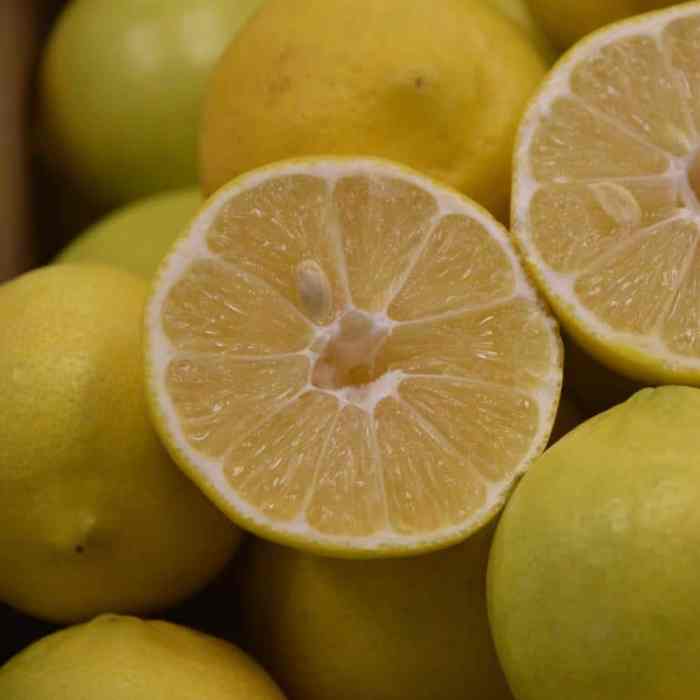
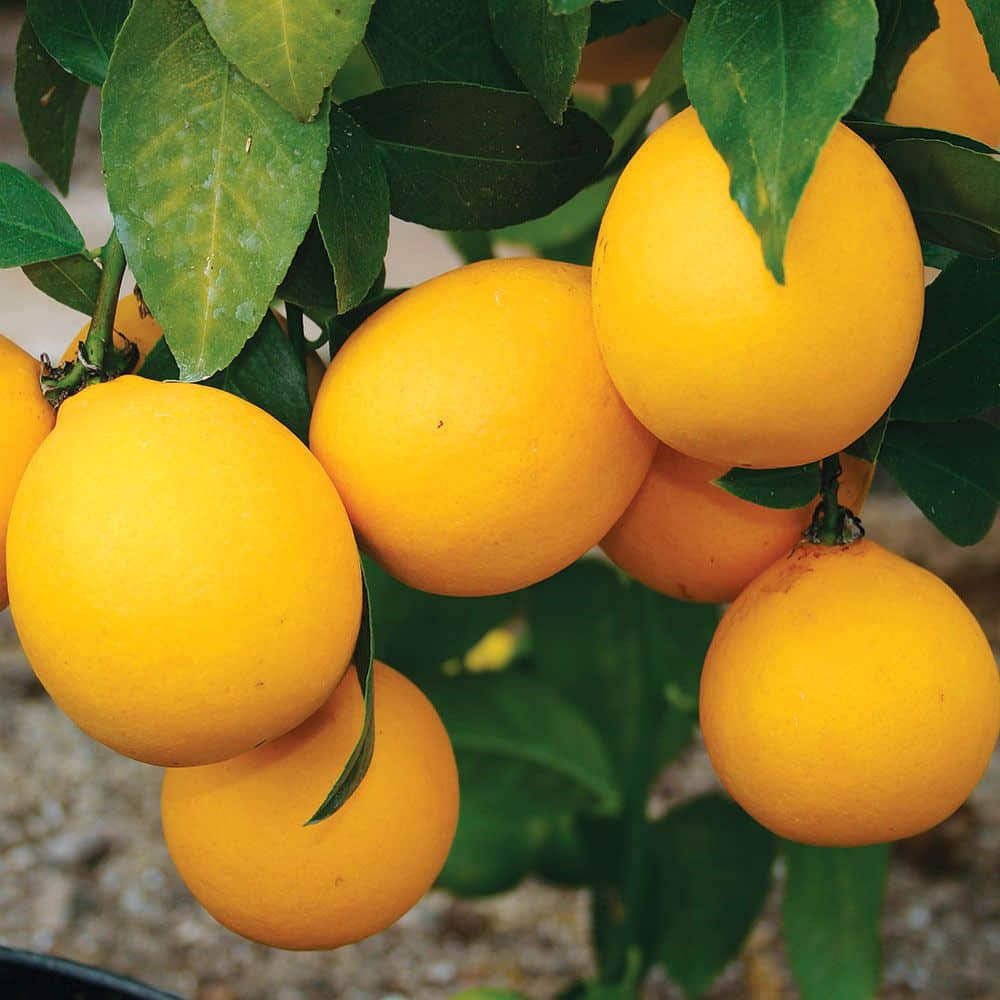
Improved Meyer Lemon is one of the most popular citrus trees for home gardeners—and for good reason. This productive, adaptable lemon offers a smoother, sweeter flavor than traditional lemons while still delivering plenty of brightness for cooking and fresh use.
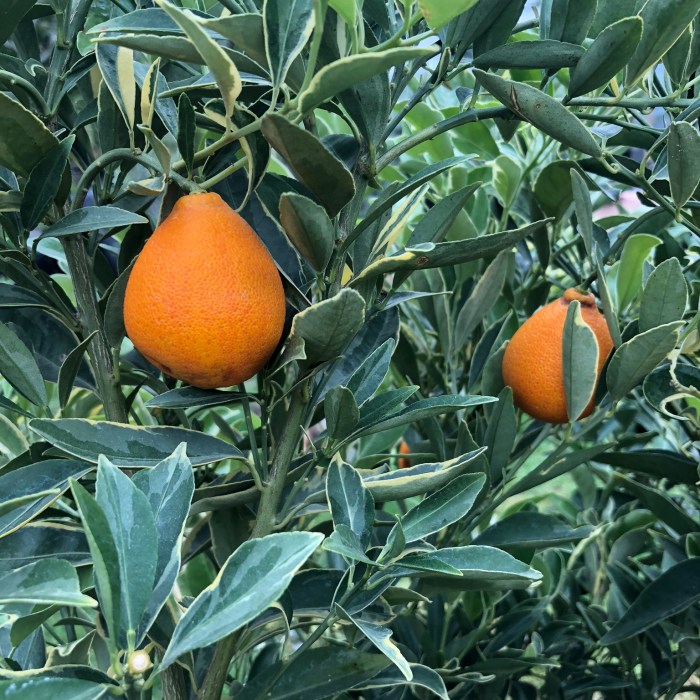
Unlike true lemons, Meyer is a natural hybrid between a lemon and a mandarin. That mandarin parentage gives it softer acidity, deeper color at maturity, and noticeably better cold tolerance. Fruit can be harvested early for more tang or left to fully ripen for a sweeter, almost orange-tinted lemon.
The “Improved” Meyer is a virus-indexed selection developed to eliminate disease issues found in early Meyer introductions, resulting in healthier growth, better vigor, and more reliable performance in the garden.
Overview
- Hybrid lemon with mandarin parentage.
- Sweeter and less acidic than true lemons.
- Extremely productive with extended flowering.
- Excellent for containers and patios.
- Self-fertile.
Growing Details
Latin Name: Citrus √ó meyeri ’Improved’
Site and Soil: Full sun; well-drained soil
Rootstock: 1-gallon trees on Flying Dragon; larger sizes on C-35
Hardiness: More cold tolerant than most lemons; mature trees may tolerate brief dips into low 20’s.
Bearing Age: Often fruits immediately; grafted trees may produce in their first season
Size at Maturity:
• Flying Dragon: Typically 6–8 ft tall and wide
• C-35: Typically 10–12 ft tall and wide
Note: Trees grown in containers remain smaller and are easily maintained with pruning.
Bloom Time: Spring through fall in warm climates
Ripening Time: Extended; often nearly year-round in favorable conditions
Pollination Requirements: Self-fertile
Seed Content: Typically low-seed
Pests & Diseases: Similar to other citrus; good airflow and drainage reduce issues
Additional Notes
- Grower’s Insight: Meyer’s mandarin parentage is what gives it both its softer flavor and its improved cold tolerance—making it one of the most forgiving lemons to grow.
- Regional Insight: Performs well in mild-winter regions and excels in containers where winter protection is available in colder climates.