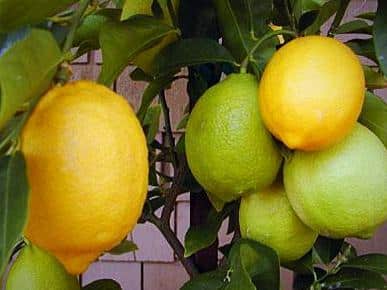
Lemon (Eureka)

Price range: $64.99 through $144.99

Eureka Lemon is the classic, everyday lemon—bright, tart, and exceptionally productive.

  • True lemon with sharp, traditional acidity.
  • Highly productive with extended flowering and fruiting.
  • Excellent for juice, zest, cooking, and preserving.
  • Compact tree well suited to containers.
  • Self-fertile.
Add to Wishlist
Add to Wishlist
SKU: Lemon (Eureka) Categories: , Tag:

Description

Eureka Lemon is one of the most widely grown lemons in the world, valued for its consistent production and unmistakable, classic lemon flavor. This is the lemon most people picture—bright yellow, sharply acidic, and endlessly useful in the kitchen.

One of Eureka’s standout traits is its extended flowering habit. In warm conditions, trees often carry blossoms, immature fruit, and ripe lemons at the same time, providing a long harvest window rather than a single short season.

Overview

  • Classic culinary lemon with bold, tart flavor.
  • Highly productive with extended flowering and fruiting.
  • Excellent for juice, zest, cooking, and preserving.
  • More traditional and acidic than Meyer lemon.
  • Self-fertile.

Growing Details

Latin Name: Citrus limon ’Eureka’
Site and Soil: Full sun; well-drained soil
Rootstock: 1-gallon trees on Flying Dragon; larger sizes on C-35
Hardiness: Frost sensitive; mature trees may tolerate brief dips to approximately 30°F with protection
Bearing Age: Often fruits immediately; grafted trees may produce in their first season
Size at Maturity:
Flying Dragon: Typically 6–8 ft tall and wide
C-35: Typically 10–12 ft tall and wide
Note: Trees grown in containers remain smaller and are easily maintained with pruning.
Bloom Time: Spring through fall in warm conditions
Ripening Time: Nearly year-round in mild climates
Pollination Requirements: Self-fertile
Seed Content: Typically contains seeds
Pests & Diseases: Similar to other citrus; good airflow and drainage reduce issues

Additional Notes

  • Grower’s Insight: Eureka is hard to beat for sheer usefulness—when people want “a lemon tree,” this is usually what they mean.
  • Regional Insight: Performs best in mild-winter regions; container growing allows reliable harvests in cooler climates with winter protection.
Planting & Care

At a Glance – Eureka Lemon

  • Sun: 3/4 day to full day of sun
  • Soil: Well-drained soil
  • Soil pH: Performs best between 5.5–6.5
  • Water: Moderate; consistent during establishment
  • Tree Size: Compact to medium, manageable with pruning
  • Pollination: Self-fertile
  • Harvest: Extended; often nearly year-round
  • Hardiness: Brief dips to ~30°F once established

Planting & Care – Eureka Lemon

Site Selection

  • Choose a sunny location to maximize flowering, fruiting, and flavor.
  • A warm microclimate improves productivity and cold performance.
  • Good air movement supports healthy foliage.

Soil Preparation (In-Ground vs Container)

  • In-ground: Excellent drainage is essential. Plant on a mound or raised area if soil drains slowly.
  • In-ground: Slightly acidic soil (pH 5.5–6.5) improves nutrient uptake and leaf color.
  • Container: Use a fast-draining citrus mix in a pot with drainage holes.
  • Container: Containers allow easy protection during cold weather.

Planting Instructions

  1. Dig a hole about twice the width of the root ball, or choose a container just larger than the root mass.
  2. Set the tree so the root flare sits at or slightly above finished soil or potting mix.
  3. Backfill gently and water thoroughly.
  4. Mulch lightly for in-ground plantings, keeping mulch away from the trunk.

Watering (In-Ground vs Container)

  • In-ground, establishment: Keep soil evenly moist while roots establish.
  • In-ground, established: Deep, periodic watering encourages steady fruiting.
  • Simple check: Water when soil is dry 3–6″ below the surface.
  • Container: Water thoroughly, then allow the top couple inches of mix to dry.

Fertilizing

  • Eureka lemons are heavy feeders and reward consistent nutrition.
  • Simple approach: Apply slow-release citrus fertilizer in early spring and again in early summer.
  • Optional boost: Occasional liquid feeding during active growth supports continuous flowering.
  • Reduce feeding later in the season to help the tree harden before winter.

Cold Care

  • Protect from freezing temperatures, especially when young.
  • Container trees can be moved to a protected location during cold snaps.

Pruning & Harvest

  • Light pruning maintains shape and airflow.
  • Harvest fruit when fully yellow and aromatic.

General Tips

  • Consistent feeding and sun are the keys to extended harvests.
  • This variety excels as a dependable, everyday lemon tree.