Kiwi Berry (Male Hardy Kiwi)

$29.99

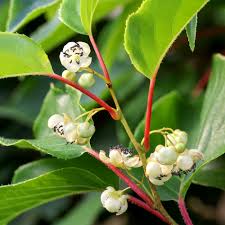
Meader is a dedicated male kiwi berry (hardy kiwi) pollinator used to fertilize female Actinidia arguta vines for reliable fruit set. Plant it once, train it on the same trellis system, and let it do its job every spring—strong pollen, consistent bloom overlap, and better harvests across your female vines.

  • Male pollinator for kiwi berries (hardy kiwi); does not produce fruit
  • University-backed planning ratio: 1 male for every 6 female vines (often 6‚Äì8)
  • Plant within 20‚Äì30 feet of females for best pollination coverage
  • Vigorous climber; easily maintained at 10‚Äì12 ft with pruning and training
  • Works with female Actinidia arguta kiwi berry varieties
Add to Wishlist
Add to Wishlist
SKU: Kiwi Berry (Male Hardy Kiwi) Categories: , Tag:

Description

Meader is a dedicated male kiwi berry (hardy kiwi) pollinator used to fertilize female Actinidia arguta vines for reliable fruit set. Male vines do not produce fruit—but without a compatible male nearby, female kiwi berry vines will not produce dependable crops.

Plant roughly one male for every six female kiwi berry vines. For most home plantings, one strong male like Meader is a simple, long-term solution for consistent fruit set.

For best results, plant your male within 20–30 feet of the females and train it on the same trellis or an adjacent support so pollinators can move easily between vines during bloom. Matching species matters: Meader is intended to pollinate female kiwi berry / hardy kiwi vines in the Actinidia arguta group.

Overview

  • Purpose: Male pollinator for kiwi berry (hardy kiwi) vines
  • Fruit: Does not produce fruit
  • Recommended ratio: 1 male per ~6 females (often 6‚Äì8 females per male in well-designed plantings)
  • Placement: Plant within 20‚Äì30 feet of female vines
  • Compatibility: Best with female Actinidia arguta kiwi berry varieties
  • Growth habit: Vigorous climber; easily maintained at 10‚Äì12 ft with training and pruning

Growing Details

Latin Name: Actinidia arguta ‘Meader’ (Male)
Site and Soil: 1/2 day to full day of sun; well-drained soil
Hardiness: USDA Zones 4–9
Rootstock: Own-root (propagated from cuttings)
Bearing Age: Not applicable (male pollinator; does not bear fruit)
Size at Maturity: Vigorous climbing vine; easily maintained at 10–12 ft with regular pruning and training
Bloom Time: Mid-season (varies by region; intended to overlap kiwi berry bloom)
Pollination Planning: 1 male per ~6 females (often 6–8); plant within 20–30 feet for best fruit set
Pests & Diseases: Generally low disease pressure with good airflow and proper pruning

Additional Notes

  • Grower‚Äôs Insight: If your females flower but yields are light, weak pollination is often the hidden culprit‚Äîadding a strong male like Meader (and keeping it close) is one of the simplest fixes.
  • Regional Insight: In cool or wet spring weather, pollinator flight can be limited‚Äîkeeping the male close and maintaining an open, well-pruned canopy helps maximize successful pollination.
  • Compatibility Note: Pollination is most reliable when male and female vines are the same species; Meader is intended for kiwi berry (Actinidia arguta) females.
  • Explore more kiwi berry and hardy kiwi vines in our collection: Kiwi & Hardy Kiwi Vines

Planting & Care

At a Glance – Male Kiwi Berry (Meader)

  • Sun: 1/2 day to full day of sun
  • Soil: Well-drained soil; avoid prolonged saturation
  • Water: Moderate; consistent during establishment
  • Size: Climbing vine; easily maintained at 10–12 ft with pruning
  • Support: Requires a strong trellis, arbor, or pergola
  • Use: Male pollinator (no fruit)
  • Coverage: 1 male per ~6 females (often 6–8)
  • Hardiness: USDA Zones 4–9

Planting & Care

Site Selection

  • Choose a site with good sun exposure and room for trellising.
  • Place the male within 20–30 feet of female vines for strong pollination coverage.
  • Good airflow supports healthy growth and better bloom activity.
  • Install permanent support before vines mature.

Soil Preparation

  • Kiwi berries prefer well-drained soil.
  • Avoid compacted or poorly drained areas.
  • Light compost amendment can improve soil structure if needed.

Planting Instructions

  • Dig a hole twice as wide as the root system.
  • Plant at the same depth as the container-grown vine.
  • Backfill with native soil and water thoroughly.
  • Mulch 2–3 inches deep to stabilize moisture (keep mulch off the stem).

Watering & Fertilizing

  • Water consistently during the first 1–2 years.
  • Deep watering encourages strong root development.
  • Once established, allow soil to partially dry between waterings.
  • Apply compost or a balanced fertilizer in early spring if growth is weak.

Support & Training

  • Train a single strong trunk upward during the first year.
  • Establish one or two permanent horizontal cordons along the support.
  • Keep flowering wood positioned where pollinators can easily move between vines.

Pruning & Training (Think Grapes)

  • Hardy kiwis are pruned using a grape-style system.
  • In winter, maintain structure and cut back excess growth to keep the canopy open.
  • Summer pruning helps manage vigor and prevents the male from overwhelming nearby females.

Pollination Planning

  • Meader is a male pollinator for kiwi berry / hardy kiwi vines (Actinidia arguta females).
  • Use 1 male for about 6 female vines as a reliable planning ratio; many systems stretch to 6–8 females per male with good layout and pollinator activity.
  • Keep male and females within 20–30 feet for best results.

General Tips

  • Don’t hide the male at the far end of the property—distance reduces fruit set.
  • Keep the trellis open during bloom so pollinators can work efficiently.
  • One good male vine is often the difference between “some fruit” and “real harvests.”