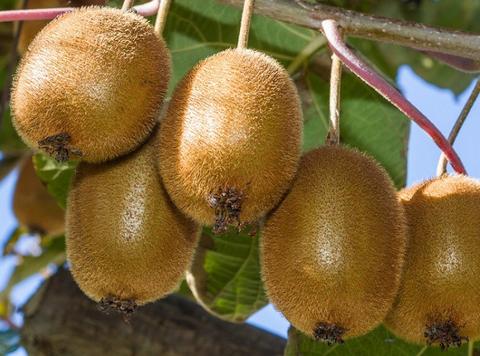
Kiwi Berry (Anna)

$29.99

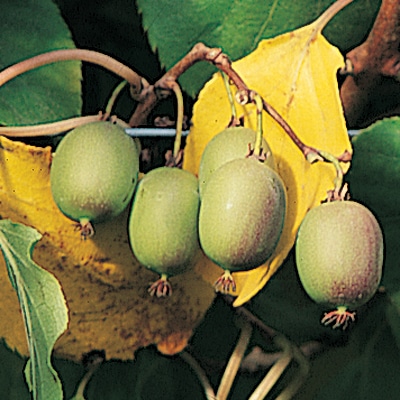
Anna—often listed under its full name Ananasnaya—is one of the most widely grown hardy kiwi cultivars, valued for its large, sweet fruit and reliable productivity. The smooth-skinned, green kiwi berries are eaten whole and deliver classic kiwi flavor with an emphasis on sweetness rather than acidity.

  • Large grape-sized, smooth-skinned kiwi berries (eat whole—no peeling)
  • Sweet, classic kiwi flavor with a mild finish
  • Known for strong productivity once established
  • Vigorous climbing vine; easily maintained at 10–12 ft with pruning and training
  • Female vine; requires a male hardy kiwi within 20–30 feet
Add to Wishlist
Add to Wishlist
SKU: Kiwi Berry (Anna) Categories: , Tag:

Description

Anna—often listed under its full name Ananasnaya—is one of the most widely grown hardy kiwi cultivars, valued for its large, sweet fruit and reliable productivity. The smooth-skinned, green kiwi berries are eaten whole and deliver classic kiwi flavor with an emphasis on sweetness rather than acidity. Anna is a strong choice for growers who want dependable crops and crowd-pleasing flavor.

Kiwi berries—also known as hardy kiwi—are smooth-skinned, bite-size kiwis that you eat whole, skin and all. Unlike fuzzy kiwis from the grocery store, these grape-sized fruits require no peeling and soften slightly as they ripen, developing a sweet, tropical kiwi flavor that’s easy to enjoy fresh. The vines themselves are vigorous, cold-tolerant climbers well suited to trellises, pergolas, and arbors, and once established they can produce heavy crops, making kiwi berries one of the most rewarding perennial fruits for home growers.

Overview

  • Fruit type: Kiwi berry (hardy kiwi) with smooth, edible skin
  • Fruit size: Large grape-sized berries
  • Flavor: Sweet, classic kiwi flavor with a mild finish
  • Color: Green skin and green flesh
  • Growth habit: Vigorous climbing vine; easily maintained at 10–12 ft with training and pruning
  • Pollination: Female; requires a compatible male hardy kiwi vine for fruiting
  • Productivity: Known for reliable, heavy crops once established

Growing Details

Latin Name: Actinidia arguta ’Ananasnaya’ (Anna)
Site and Soil: 1/2 day to full day of sun; well-drained soil
Hardiness: USDA Zones 4–9
Rootstock: Own-root (propagated from cuttings)
Bearing Age: Typically 3–4 years after planting once vines are well established and properly trained
Size at Maturity: Vigorous climbing vine; easily maintained at 10–12 ft with regular pruning and training
Bloom Time: Mid-season (varies by region)
Ripening Time: Mid to late within kiwi berries; typically September into early October (varies by region)
Fruit Size: Large grape-sized; typically ~¾–1¼ inches long once mature
Pollination: Female; requires a compatible male hardy kiwi vine planted within 20–30 feet for fruiting. A proven option is our Male Hardy Kiwi (Meader).
Pests & Diseases: Generally low disease pressure with good airflow and proper pruning
Yield: Commonly 30–50 lbs per mature vine under good growing conditions

Additional Notes

  • Grower’s Insight: Anna earns its reputation when it’s trained well—strong cordons and consistent spur pruning make harvest easier and keep the vine producing year after year.
  • Regional Insight: Anna performs well across a wide range of climates and is a great “foundation” kiwi berry for growers who want sweetness, reliability, and strong production without niche flavor quirks.
  • Explore more kiwi berry and hardy kiwi vines in our collection: Kiwi & Hardy Kiwi Vines

Planting & Care

At a Glance – Anna Kiwi Berry (Ananasnaya)

  • Sun: 1/2 day to full day of sun
  • Soil: Well-drained soil; avoid prolonged saturation
  • Water: Moderate; consistent during establishment
  • Size: Climbing vine; easily maintained at 10–12 ft with pruning
  • Support: Requires a strong trellis, arbor, or pergola
  • Pollination: Female; requires a male hardy kiwi within 20–30 feet
  • Harvest: Mid to late season within kiwi berries
  • Hardiness: USDA Zones 4–9

Planting & Care

Site Selection

  • Choose a site with good sun exposure for best growth and fruit quality.
  • Full sun is ideal, but at least 1/2 day of sun is sufficient.
  • Good airflow helps support healthy vines and consistent fruiting.
  • Select a location where permanent support can be installed.

Soil Preparation

  • Kiwi berries grow best in well-drained soil.
  • Avoid areas with standing water or heavy compaction.
  • Light compost amendment can improve structure if soil is poor.
  • Slightly acidic to neutral soil is ideal, though vines are adaptable.

Planting Instructions

  • Dig a hole twice as wide as the root system.
  • Plant at the same depth as the container-grown plant.
  • Backfill with native soil and water thoroughly.
  • Mulch 2–3 inches deep to stabilize moisture (keep mulch off the stem).

Watering & Fertilizing

  • Water consistently during the first 1–2 years.
  • Deep watering is preferred over frequent shallow irrigation.
  • Once established, allow soil to partially dry between waterings.
  • Apply compost or a balanced fertilizer in early spring if growth is weak.

Support & Training

  • Install trellising, an arbor, or a pergola at planting time.
  • Train a single strong trunk upward during the first year.
  • Establish one or two permanent horizontal cordons along the support.

Pruning & Training (Think Grapes)

  • Hardy kiwis are pruned using a grape-style system.
  • Fruit is produced on new shoots that grow from last year’s wood.
  • In winter, cut back fruiting growth to short spurs with 2–4 buds.
  • Summer pruning can help manage vigor and improve light penetration.

Pollination

  • Anna is a female kiwi berry and is not self-fertile.
  • Plant a compatible male hardy kiwi within 20–30 feet.
  • One healthy male can pollinate multiple female vines.

Harvest & Use

  • Harvest when fruit reaches full size and softens slightly.
  • Fruit may ripen unevenly and is often harvested in multiple passes.
  • Kiwi berries can finish ripening off the vine.
  • Enjoy fresh for best flavor and sweetness.

General Tips

  • Focus on structure in the first year rather than fruit.
  • Consistent pruning keeps vines productive and manageable.
  • Good support and early training make long-term care much easier.