Fuzzy Kiwi (Hayward)

$29.99

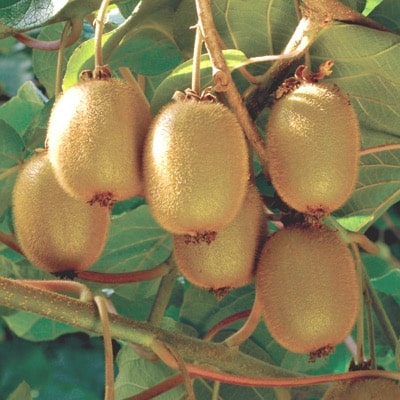
This popular variety of Fuzzy Kiwi is the one found in markets. Hayward’s large, sweet and attractive fruit is especially delicious when home grown and vine ripened. Hayward is considered the best variety for commercial growing. Ripens one week after Saanichton.

Add to Wishlist
Add to Wishlist
SKU: Fuzzy Kiwi (Hayward) Categories: , Tag:

Description

Hayward is the standard fuzzy kiwi variety and remains the benchmark by which others are compared. It produces large, familiar kiwifruit with the classic flavor and texture most people associate with store-bought kiwi. This vine is extremely vigorous and productive once established, thriving when trained on a strong trellis or arbor. Hayward ripens later than varieties like Saanichton, making it best suited for regions with a long, mild fall where fruit can fully size and mature before cold weather arrives.

Overview

  • Female fuzzy kiwi vine producing large green-fleshed fruit.
  • Most widely planted fuzzy kiwi variety.
  • Late-season ripening compared to many other cultivars.
  • Vigorous growth requiring permanent support.
  • Fruit production requires a compatible male fuzzy kiwi.

Growing Details

Latin Name: Actinidia deliciosa ’Hayward’
Site and Soil: 3/4 day to full day of sun; well-drained soil
Propagation: Cutting-grown
Hardiness: Hardy to approximately 0°F (USDA Zone 7–9)
Bearing Age: 3–5 years
Size at Maturity: Approximately 8–10 ft wide when trained on a trellis or arbor; vines extend much longer if left unpruned
Bloom Time: May
Ripening Time: October to early November
Pollination Requirements: Requires a Male Fuzzy Kiwi planted within 20–30 ft. One male can pollinate multiple female vines.
Pests & Diseases: Generally not bothered by significant pest or disease problems

Additional Notes

  • Grower’s Insight: Hayward sets the standard for fuzzy kiwis but benefits from a long growing season. In regions with early fall weather, earlier-ripening varieties may finish more consistently.
  • Regional Insight: Best suited to mild-winter regions with a longer fall, including much of the Pacific Northwest and similar climates.
  • Explore our full selection of kiwi vines here: Kiwi Vines

Planting & Care

At a Glance – Hayward Fuzzy Kiwi

  • Sun: Full sun strongly preferred
  • Soil: Well-drained soil; fertile and moisture-retentive
  • Water: Moderate to high; consistent moisture is important
  • Size: Vigorous climbing vine; typically maintained at 10–15 ft with pruning
  • Support: Requires a strong trellis, arbor, or pergola
  • Pollination: Most varieties require a male vine within 20–30 feet
  • Harvest: Late season (varies by variety and region)
  • Hardiness: USDA Zones 7–9

Planting & Care

Site Selection

  • Choose a warm, sunny site with full sun for best growth and fruit ripening.
  • Shelter from cold winds and late spring frosts is important, especially during bloom.
  • South-facing or heat-retentive locations improve fruit finishing.
  • Good airflow helps reduce disease pressure but avoid exposed, windy sites.

Soil Preparation

  • Fuzzy kiwis prefer deep, fertile, well-drained soil.
  • Avoid poorly drained or compacted soils.
  • Incorporate compost at planting if soil is low in organic matter.
  • Maintain even soil moisture—extreme wet/dry swings can stress vines.

Planting Instructions

  • Dig a hole twice as wide as the root system.
  • Plant at the same depth as the container-grown vine.
  • Backfill with native soil and water thoroughly.
  • Mulch 2–3 inches deep to moderate soil temperature and moisture (keep mulch off the trunk).

Watering & Fertilizing

  • Water regularly during the first 2–3 years while vines establish.
  • Maintain consistent moisture during flowering and fruit development.
  • Avoid drought stress, which can reduce fruit set and fruit size.
  • Apply compost annually or use a balanced fertilizer in spring if growth is weak.

Support & Training

  • Install a strong trellis, pergola, or arbor before vines mature.
  • Train a single main trunk upward during the first year.
  • Establish one or two permanent horizontal cordons along the support.
  • Good structure early makes pruning and harvest much easier long-term.

Pruning & Training (Different from Hardy Kiwi)

  • Fuzzy kiwis fruit on new shoots that grow from last year’s wood.
  • Unlike hardy kiwis, avoid cutting all fruiting wood back to short spurs.
  • In winter, retain longer fruiting canes (typically 8–12 buds).
  • Remove old, weak, or overcrowded wood to maintain light penetration.
  • Summer pruning should be light—mostly tipping and thinning excess growth.

Pollination

  • Most fuzzy kiwi varieties are not self-fertile.
  • Plant a compatible male kiwi vine within 20–30 feet.
  • One healthy male can pollinate multiple female vines.

Harvest & Use

  • Harvest when fruit reaches full size and seeds have darkened.
  • Fruit is typically picked firm and finished indoors.
  • Allow fruit to soften at room temperature for best flavor.
  • Fuzzy kiwis store well under cool conditions once harvested.

General Tips

  • Fuzzy kiwis require more heat and a longer season than hardy kiwis.
  • Avoid heavy winter pruning—over-pruning reduces fruiting potential.
  • Consistent moisture and balanced pruning are key to dependable harvests.