Description
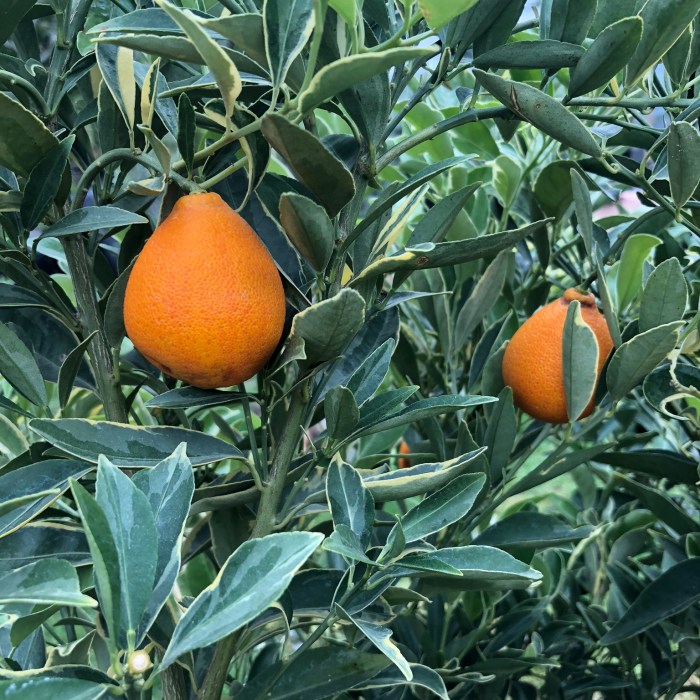
The espaliered Meyer lemon combines classic citrus flavor with elegant garden structure. Trained along a flat framework, it produces fragrant blossoms and bright fruit while remaining compact and easy to manage.
Meyer lemons are prized for their smooth, aromatic flavor—less acidic than traditional lemons and slightly sweet thanks to their lemon-mandarin heritage. The fruit is widely used in cooking, baking, and drinks, bringing bright citrus character with a softer edge than standard lemons.
As both a productive citrus and a living architectural element, an espaliered Meyer lemon brings beauty and harvest together in a single tree.
Overview
- Espalier-trained citrus ideal for walls, fences, and narrow garden spaces.
- Meyer lemon prized for smooth, aromatic flavor.
- Fragrant white blossoms followed by bright yellow fruit.
- Blooms multiple times a year in most climates.
- Self-fertile.
Growing Details
Botanical Name: Citrus × meyeri
Type: Lemon–mandarin hybrid citrus
Site and Soil: Full sun; well-drained soil
Rootstock: C-35 semi-dwarf rootstock
Hardiness: Best suited to USDA Zones 8–11; fruit damage often begins around ~26°F, with increased risk to the tree during prolonged cold below this range
Bearing Age: Often fruits immediately; grafted trees may produce in their first season
Size at Maturity: Typically maintained 6–8 ft tall when espalier trained
Bloom Time: Multiple bloom cycles possible; blooms multiple times a year in most climates
Ripening Time: Varies by climate; fruit may develop throughout the citrus season
Pollination Requirements: Self-fertile
Pests & Diseases: Similar to other citrus; good airflow and well-drained soil help maintain plant health
Additional Notes
- Grower’s Insight: Meyer lemon is one of the easiest citrus varieties to train and maintain as an espalier. Its naturally compact growth and frequent bloom cycles make it especially rewarding in trained forms.
- Regional Insight: In cooler climates, espaliered citrus can be grown successfully in containers or in protected locations where winter protection is possible.
- Explore more citrus varieties in our collection: Citrus Trees