Espaliered Bearss Lime Tree

$189.99

An espaliered Bearss lime combines the bright flavor of classic limes with elegant garden structure—producing smooth green fruit on a beautifully trained, space-efficient tree.

  • Espalier-trained citrus ideal for walls, fences, and narrow spaces.
  • Bearss lime prized for juicy, virtually seedless fruit.
  • Blooms multiple times a year in most climates.
  • Glossy evergreen foliage with fragrant blossoms.
  • Self-fertile.
Add to Wishlist
Add to Wishlist
SKU: Espaliered Bearss Lime Tree Categories: ,

Description

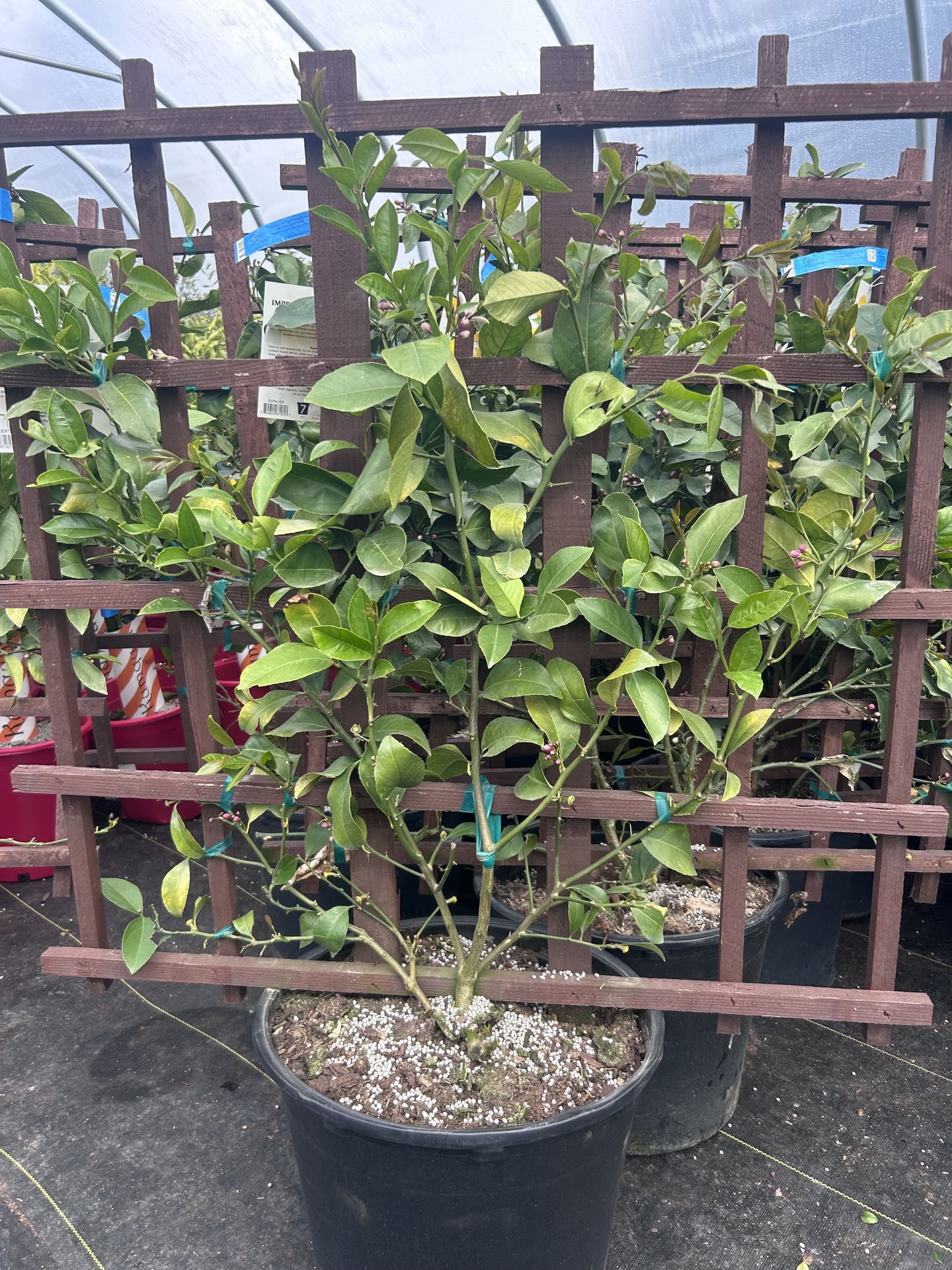
The espaliered Bearss lime combines classic citrus flavor with elegant garden structure. Carefully trained along a flat framework, it produces fragrant blossoms and bright green fruit while remaining compact and manageable.

Bearss lime is the standard lime used in cooking and drinks. The fruit is juicy, virtually seedless, and valued for its clean, bright citrus flavor.

Espalier training transforms this productive citrus into both a reliable fruit tree and a striking garden element.

Overview

  • Espalier-trained citrus ideal for walls, fences, and narrow garden spaces.
  • Bearss lime prized for juicy, virtually seedless fruit.
  • Classic culinary lime used for drinks and cooking.
  • Blooms multiple times a year in most climates.
  • Self-fertile.

Growing Details

Botanical Name: Citrus latifolia

Also Known As: Persian Lime, Tahiti Lime

Site and Soil: Full sun; well-drained soil

Rootstock: C-35 semi-dwarf rootstock

Hardiness: Best suited to USDA Zones 9–11; fruit damage often begins around ~26°F, with increased risk to the tree during prolonged cold below this range

Bearing Age: Often fruits immediately; grafted trees may produce in their first season

Size at Maturity: Typically maintained 6–8 ft tall when espalier trained

Bloom Time: Multiple bloom cycles possible; blooms multiple times a year in most climates

Ripening Time: Varies by climate; fruit may develop throughout the citrus season

Pollination Requirements: Self-fertile

Pests & Diseases: Similar to other citrus; good airflow and well-drained soil help maintain plant health

Additional Notes

  • Grower’s Insight: Bearss lime is the lime most people recognize from kitchens and markets. Its nearly seedless fruit and strong juice production make it especially satisfying to grow at home.
  • Regional Insight: Performs best in warm citrus climates, but espaliered trees can be grown successfully in containers or protected spaces where winter protection is possible.
  • Explore more citrus varieties in our collection: Citrus Trees

Planting & Care

At a Glance – Espaliered Bearss Lime

  • Sun: 3/4 day to full day of sun
  • Soil: Well-drained soil
  • Soil pH: Performs best between 5.5–6.5
  • Water: Moderate; consistent during establishment
  • Growth Habit: Trained espalier form
  • Pollination: Self-fertile
  • Harvest: Varies by climate
  • Hardiness: Fruit damage often begins around ~26°F; protect trees during prolonged cold

Planting & Care – Espaliered Bearss Lime

Site Selection

  • Select a warm, sunny location to support flowering and fruit development.
  • South- or west-facing walls help reflect warmth and improve citrus performance.
  • Good airflow supports healthy foliage.

Soil Preparation (In-Ground vs Container)

  • In-ground: Excellent drainage is essential; raised planting areas help in heavier soils.
  • In-ground: Slightly acidic soil supports nutrient uptake.
  • Container: Use a fast-draining citrus mix with generous drainage.
  • Container: Container growing allows easier winter protection in colder climates.

Planting Instructions

  1. Dig a hole about twice the width of the root ball, or select a container slightly larger than the root mass.
  2. Set the tree so the root flare sits at or slightly above finished soil or potting mix.
  3. Backfill gently and water thoroughly.
  4. If planting near a wall or support, ensure the espalier structure is secure.

Watering (In-Ground vs Container)

  • In-ground, establishment: Keep soil evenly moist during the first growing season.
  • In-ground, established: Deep watering supports fruit development.
  • Check: Water when soil becomes dry several inches below the surface.
  • Container: Water thoroughly, allowing the top layer of mix to dry between watering.

Fertilizing

  • Feed with citrus fertilizer in early spring and again in early summer.
  • Supplement with light feeding during active growth if needed.
  • Reduce fertilization later in the season to improve cold tolerance.

Cold Care

  • Protect trees during freezing weather.
  • In-ground: Use frost cloth and protect the root zone during cold snaps.
  • Container: Move trees indoors or into a protected location before hard freezes.

Pruning & Training

  • Prune lightly to maintain the espalier form and encourage new fruiting wood.
  • Guide new growth along the training wires to preserve the structured shape.